ADUs are becoming a popular way to add space in Los Angeles without buying land. Many homeowners only think about construction costs, but extra expenses can add tens of thousands. Knowing the full price upfront helps avoid surprises. Some use cost calculators for a quick estimate.
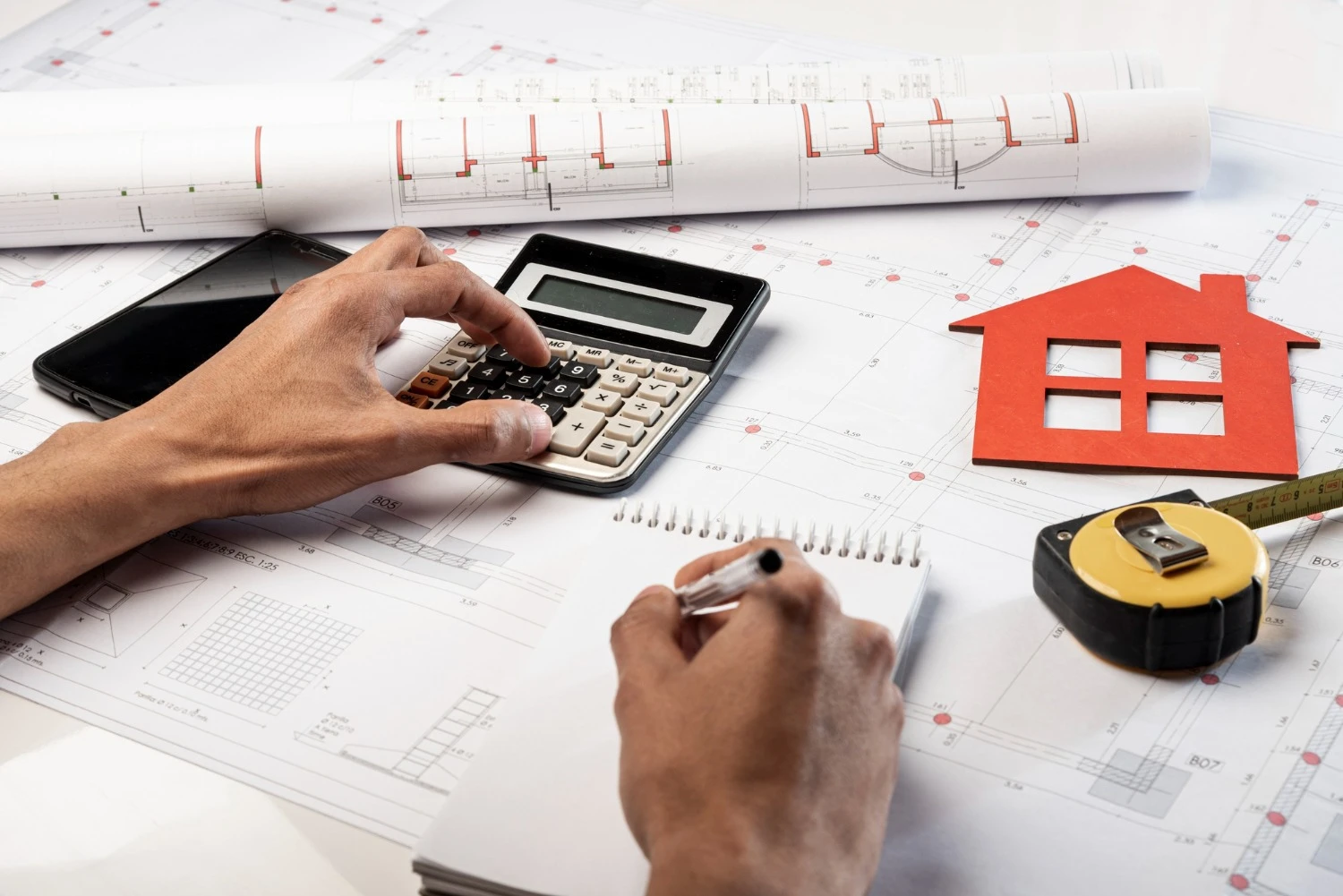
Why Accurate Budgeting Matters
Building an ADU is a major financial decision. Without proper planning, the project can quickly exceed its original budget.
Online estimates often show average construction prices per square foot. In Los Angeles, this may range from $250 to $400. But real projects rarely match the initial estimate.
Actual spendings depend on the site, permits, utilities, and design. For example, a homeowner might plan a $180,000 ADU but end up spending $210,000. Utility upgrades and city fees were not counted at first. This difference is a common budgeting challenge.
How Poor Budget Planning Can Delay Your ADU Project
If unexpected expenses come up, homeowners might have to pause construction to find extra funds. Delays can also happen during approvals. Missing fees, incomplete drawings, or new engineering rules can push the project back by months.
Why Early Prices Estimation Is Essential
Planning early gives homeowners a clear idea of costs. Before hiring architects or contractors, it’s smart to know a realistic price range. Many start with an ADU cost calculator. It estimates expenses based on location, size, and features.
Hidden Costs Homeowners Often Overlook
Construction is only part of the total expense. Many spendings appear before building begins or after the structure is completed. These hidden items are a common reason projects exceed their original budget.
Site Preparation and Land Work
Not every backyard is ready for construction. Preparing the site may require:
- land grading
- tree or stump removal
- soil testing
- drainage improvements
If the land has slope or unstable soil, preparation expenses can increase significantly.
Permits and Local Fees
Cities require multiple approvals before construction begins. Common expenses include:
- building permits
- impact fees
- utility connection permits
- inspection fees
In some California cities, permit costs alone can reach several thousand dollars.
Architectural and Design Services
Professional planning is essential for safe construction and city approval. Design-related expenses may include:
- architectural drawings
- structural engineering calculations
- site plans
- revisions required by local authorities
These services ensure the ADU meets zoning rules and building codes.
Utility Connections and Infrastructure
Every unit needs proper utility connections. Installation prices may include:
- water lines
- sewer connections
- electrical wiring and upgrades
- gas lines
- internet or cable setup
If the existing infrastructure is old, upgrades may be necessary.
Utility Upgrades for the Main House
Adding a second living unit increases the demand on existing systems. Some homes require:
- electrical panel upgrades
- larger water heaters
- expanded HVAC capacity
These improvements are often required to meet building codes.
Interior Finishes and Appliances
Finishes play a major role in the final cost of building an ADU. Homeowners often underestimate the price of interior elements such as:
- kitchen appliances
- cabinets and countertops
- bathroom fixtures
- flooring and lighting
High-end finishes can dramatically increase the overall budget.
Landscaping and Outdoor Work
After construction, outdoor areas often need improvements. This may include:
- walkways
- fencing
- small patios
- drainage adjustments
These upgrades help integrate the house into the existing property.
Furniture and Move-In Costs
The final stage also requires additional spending. Furnishing the unit may involve:
- basic furniture
- window treatments
- storage solutions
These items are rarely included in the original construction estimate.
Soft Costs That Add Up Quickly
Some expenses are not directly related to building materials or labor. These are known as soft costs.
They can include project management, construction insurance, temporary housing during renovations, or loan and financing fees. While each item may seem small, together they can add a noticeable amount to the construction budget.
How to Estimate the Total Price
Accurate estimates require several steps. Begin with average local prices per square foot. This provides a basic understanding of the expected investment.
Use Tools to Calculate a More Accurate Budget
Online tools can refine the estimate. A calculator helps adjust costs based on size, location, and design features. It is a useful first step before requesting contractor quotes.
Add a Contingency Budget (10-20%)
Experts suggest adding 10-20% to your budget for unexpected expenses.
Tips to Keep Your Budget Under Control
Here are some simple ways to manage expenses:
- plan utility connections early
- choose efficient and simple layouts
- compare several contractor quotes
- avoid frequent design changes during construction
- use cost-estimation tools during the planning stage
“These steps help maintain a stable and realistic ADU construction budget” – Aduscale
Successful projects depend on careful budgeting. Hidden expenses can significantly affect the total price.
Understanding hidden costs early helps homeowners plan with confidence. Useful tools make it easier to estimate the full investment and avoid financial surprises during construction.