

Your garage is more than just a place to park your car. For many homeowners, it serves as a workshop, hobby space, home gym, or storage area. Whether you’re spending hours working on projects or simply need a comfortable environment for your stored belongings, maintaining the right temperature in your garage is essential for comfort and functionality.
Traditional heating and cooling systems often fall short when it comes to garages. Many garages lack the ductwork necessary for central HVAC systems, and installing ducts can be expensive and impractical. This is where mini-split systems come in as the perfect solution. These compact, efficient units provide excellent temperature control without the need for extensive ductwork or major renovations.
However, getting the most out of your garage mini-split system depends heavily on proper installation. A poorly installed unit can lead to wasted energy, inconsistent temperatures, and costly repairs down the line. That’s why working with expert installers is crucial to ensuring your system performs at its best. The right professionals will assess your specific needs, recommend the appropriate equipment, and install everything correctly the first time.
Why Choose a Garage Mini-Split System?
Mini-split systems have become increasingly popular for garage climate control, and for good reason. These versatile units offer numerous advantages that make them ideal for garage environments.
Energy Efficiency
One of the biggest benefits of mini-split systems is their exceptional energy efficiency. Unlike traditional HVAC systems that can lose up to 30% of their energy through ductwork, mini-splits deliver conditioned air directly into your space. This direct delivery means less wasted energy and lower utility bills. Most modern mini-split units also feature inverter technology, which allows the compressor to run at variable speeds rather than constantly turning on and off. This results in more consistent temperatures and even greater energy savings.
Precise Temperature Control
Mini-split systems give you complete control over your garage temperature. With a dedicated thermostat or remote control, you can set your desired temperature and the system will maintain it accurately. Many units also offer programmable settings, allowing you to adjust temperatures based on when you’ll be using the space. This level of control is especially valuable if you use your garage for activities that require specific temperature ranges, such as woodworking, painting, or exercising.
Cost-Effectiveness Compared to Traditional HVAC Systems
When compared to extending your home’s central HVAC system or installing a completely separate ducted system, mini-splits are significantly more affordable. The installation process is simpler, requiring only a small hole through the wall to connect the indoor and outdoor units. There’s no need for expensive ductwork installation or major structural changes. Additionally, because you’re only heating or cooling the garage when needed, rather than treating it as part of your whole-house system, you’ll save money on operating costs over time.
Perfect for Spaces Without Ductwork
Most garages were not built with ductwork, and adding it later can be prohibitively expensive and complicated. Mini-split systems eliminate this problem entirely. The ductless design makes them perfect for garages, additions, converted spaces, and other areas where traditional HVAC systems would be impractical. Installation is straightforward, and the system can be up and running in just a day or two.
Flexible Installation Options
Mini-split systems offer flexibility in how and where they’re installed. The indoor unit can be mounted on the wall, ceiling, or even recessed to save space. This versatility allows you to maximize your garage’s usable area while still enjoying effective climate control. The outdoor unit is compact and can be placed in various locations around your property, giving you options that work best for your home’s layout and aesthetics.
Key Factors to Consider Before Installation
Before you rush into installing a mini-split system in your garage, there are several important factors to consider. Taking time to address these elements will ensure you get the best performance from your investment.
Garage Insulation: A Critical Foundation
Insulation is absolutely essential for the efficient operation of any heating or cooling system, and mini-splits are no exception. Without proper insulation, your garage will lose conditioned air quickly, forcing your mini-split to work harder and consume more energy to maintain comfortable temperatures.
Check your garage walls, ceiling, and garage door for adequate insulation. Many older garages have little to no insulation, which can dramatically reduce your mini-split’s efficiency. Consider upgrading to at least R-13 insulation in the walls and R-30 in the ceiling for optimal performance. Don’t forget about the garage door itself – insulated garage doors can make a significant difference in maintaining temperature stability.
Weather stripping around doors and windows is also important. Even small gaps can allow conditioned air to escape and outdoor air to enter, reducing efficiency and increasing energy costs. Sealing these gaps is a relatively inexpensive upgrade that pays dividends in system performance.
Size and Layout of the Garage
The physical dimensions and layout of your garage play a major role in determining what size mini-split system you need. A system that’s too small won’t adequately heat or cool the space, while an oversized unit will cycle on and off frequently, reducing efficiency and potentially shortening its lifespan.
Measure your garage’s square footage accurately, including the ceiling height. A garage with high ceilings will require more heating and cooling capacity than one with standard eight-foot ceilings. Also consider the layout – is it a single open space, or are there partitions or storage areas that might affect air circulation?
The number and size of windows, the type of garage door, and whether the garage is attached or detached from your home all influence your heating and cooling requirements. An attached garage may benefit from some heat transfer from the house, while a detached garage will need more capacity to maintain comfortable temperatures.
Energy Needs and Proper System Sizing
Choosing the right size unit is crucial for optimal performance and efficiency. Mini-split capacity is measured in BTUs (British Thermal Units), and selecting the appropriate capacity depends on multiple factors beyond just square footage.
As a general guideline, you’ll need approximately 20-25 BTUs per square foot for cooling in most climates. However, this can vary based on your local climate, ceiling height, insulation quality, sun exposure, and how you use the space. A garage that serves as a workshop with heat-generating tools will have different needs than one used primarily for storage.
It’s always better to consult with a professional installer who can perform a proper load calculation. They’ll consider all relevant factors and recommend a system that’s appropriately sized for your specific situation. Avoid the temptation to simply guess or go with the cheapest option – proper sizing is essential for long-term satisfaction and efficiency.
Choosing Between Heating and Cooling Options
Depending on your climate and how you use your garage, you may need heating only, cooling only, or both. Many mini-split systems are heat pumps, meaning they provide both heating and cooling capabilities in a single unit. These are ideal if you live in an area with both hot summers and cold winters.
If you’re in a predominantly warm climate, a cooling-only unit might be sufficient and could save you some money upfront. Conversely, if you live somewhere with mild summers but harsh winters, a heating-focused system might be more appropriate.
Consider your specific needs carefully. Do you work in your garage year-round? What temperature range do you need to maintain for your activities or stored items? How extreme are the temperature swings in your area? Answering these questions will help you and your installer select the right type of system.
How to Choose a Trusted Garage Mini-Split Installer
The quality of your mini-split installation is just as important as the quality of the equipment itself. A skilled, experienced installer will ensure your system operates efficiently and reliably for years to come. Here’s what to look for when selecting an installer.
Experience Matters
Look for installers who have specific experience with garage mini-split installations. While general HVAC experience is valuable, garages present unique challenges that not all technicians are familiar with. An experienced garage mini-split installer will know how to handle issues like proper placement for optimal air circulation, dealing with limited electrical capacity, and working around garage-specific obstacles.
Ask potential installers how many garage mini-split systems they’ve installed and whether they can provide references from previous customers. Don’t hesitate to contact those references to ask about their experience and satisfaction with the installation.
Certifications and Qualifications
Professional certifications demonstrate that an installer has received proper training and stays current with industry standards and best practices. Look for technicians who are certified by organizations like NATE (North American Technician Excellence) or who hold manufacturer-specific certifications for the brands they install.
These certifications aren’t just pieces of paper – they often represent hundreds of hours of training and testing. Certified installers are more likely to install your system correctly, safely, and in compliance with local building codes. Additionally, many manufacturers require installation by certified professionals to honor their product warranties, so choosing a certified installer protects your investment.
Customer Reviews and Reputation
In today’s digital age, it’s easy to research a company’s reputation before hiring them. Check online review platforms like Google, Yelp, and the Better Business Bureau to see what previous customers have said about their experiences. Pay attention to both positive and negative reviews, and look for patterns in the feedback.
A few negative reviews aren’t necessarily a red flag – no company is perfect – but how the company responds to criticism is telling. Do they address complaints professionally and work to resolve issues? Or do they ignore or argue with unhappy customers? A company’s response to problems often reveals more about their character than their successes.
Also, ask friends, neighbors, and coworkers for recommendations. Personal referrals from people you trust can be invaluable in finding reliable, quality installers in your area.
Consultation Services and Site Evaluation
Quality installers will always offer a thorough consultation and site evaluation before providing a quote or beginning work. During this visit, they should inspect your garage, discuss your needs and expectations, take measurements, assess insulation and electrical capacity, and answer all your questions.
Be wary of installers who offer quotes over the phone without seeing your space or who pressure you into making immediate decisions. A proper evaluation takes time, and any installer worth hiring will invest that time to ensure they recommend the right solution for your specific situation.
The consultation is also your opportunity to assess the installer’s professionalism, communication skills, and knowledge. Do they listen to your concerns? Do they explain things clearly? Do they seem knowledgeable and trustworthy? Trust your instincts – if something feels off during the consultation, it’s okay to get a second opinion.
Step-by-Step Process of Installing a Garage Mini-Split
Understanding what to expect during the installation process can help you prepare and ensure everything goes smoothly. While specific details may vary depending on your garage and chosen system, here’s a general overview of the installation process.
Initial Assessment
The process begins with the installer visiting your garage to conduct a thorough assessment. They’ll measure the space, evaluate the current insulation, check the electrical system’s capacity, identify the best locations for the indoor and outdoor units, and discuss your heating and cooling needs and preferences.
This assessment allows the installer to create a customized installation plan tailored to your garage’s specific requirements. They’ll consider factors like where you spend most of your time in the garage, what activities you do there, and any obstacles or special considerations that might affect placement or installation.
System Sizing and Selection
Based on the assessment, your installer will recommend a specific mini-split model and capacity. They should explain why they’re recommending that particular system and how it meets your needs. This is your opportunity to ask questions about features, efficiency ratings, warranty coverage, and any other concerns you might have.
The installer should provide a detailed written estimate that includes the cost of equipment, labor, any necessary electrical work, and any additional materials or modifications needed. Make sure you understand exactly what’s included in the price and what, if anything, might be extra.
Installation Day
On installation day, the technicians will arrive with all necessary equipment and materials. The actual installation typically takes between four to eight hours, depending on the complexity of the job. Here’s what the process generally involves:
First, the installers will mount the indoor unit on your garage wall or ceiling. The location should provide optimal air distribution throughout the space while staying out of the way of your activities and storage. They’ll ensure the unit is level and securely attached to support its weight.
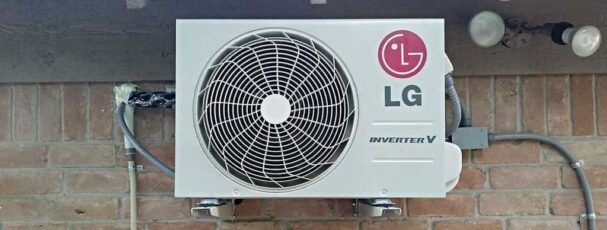
Next, they’ll install the outdoor condenser unit. This is typically placed on a concrete pad or mounted on brackets outside your garage. The location should allow for proper airflow around the unit and easy access for future maintenance. The outdoor unit needs to be close enough to the indoor unit to keep refrigerant line runs within the manufacturer’s specifications, but far enough from windows and living spaces to minimize noise.
The technicians will then drill a small hole (usually three to four inches in diameter) through your garage wall to run the refrigerant lines, electrical wiring, and condensate drain between the indoor and outdoor units. This hole is carefully sealed to prevent air leaks and moisture intrusion.
Once the physical installation is complete, they’ll connect all refrigerant lines, electrical connections, and drainage. This is precision work that requires specialized tools and expertise. Improper connections can lead to refrigerant leaks, electrical problems, or water damage.
Post-Installation Testing
After everything is connected, the installers will test the system thoroughly to ensure it’s operating correctly. This includes checking refrigerant levels, testing heating and cooling functions, verifying proper airflow, ensuring all electrical connections are secure, checking for any leaks, and demonstrating system operation to you.
The installers should show you how to use the remote control or thermostat, explain basic maintenance tasks like cleaning filters, provide you with warranty information and user manuals, and answer any final questions you have about operating and caring for your new system.
Don’t let the installers leave until you’re completely satisfied that the system is working properly and you understand how to use it. This is your opportunity to address any concerns or issues before the installation is considered complete.
Benefits of Professional Installation
While some homeowners might be tempted to save money by attempting a DIY installation or hiring an uncertified handyman, professional installation offers significant advantages that make it well worth the investment.
Expert Knowledge Prevents Costly Mistakes
Professional installers have the training, experience, and specialized tools necessary to install your mini-split correctly the first time. They know how to avoid common mistakes like improper refrigerant charging, which can reduce efficiency and damage the compressor, incorrect unit sizing or placement that leads to poor performance, electrical errors that create safety hazards, and inadequate drainage that causes water damage.
These mistakes can be expensive to fix and may even require replacing the entire system in severe cases. Professional installation ensures the job is done right from the start, protecting your investment and avoiding future headaches.
Maximizing Energy Efficiency
A professionally installed mini-split will operate at peak efficiency, saving you money on energy bills month after month. Proper installation ensures optimal refrigerant levels, correct airflow and air distribution, properly sealed connections that prevent energy loss, and accurate thermostat placement for precise temperature control.
Even small installation errors can significantly impact efficiency. For example, refrigerant levels that are just slightly off can reduce efficiency by 20% or more. Over the lifetime of your system, professional installation more than pays for itself through energy savings.
Extended System Longevity
A mini-split system that’s installed correctly will last longer and require fewer repairs than one that’s improperly installed. Professional installers ensure all components are properly secured, connections are tight and leak-free, electrical systems are correctly sized and wired, and drainage is adequate to prevent moisture-related problems.
Most quality mini-split systems should last 15 to 20 years or more with proper installation and maintenance. Poor installation can cut that lifespan in half or require expensive repairs that could have been avoided.
Warranty Protection
Many mini-split manufacturers require professional installation to honor their product warranties. If you attempt DIY installation or use an unlicensed installer, you may void your warranty entirely. This means if something goes wrong with the equipment, you’ll be responsible for the full cost of repairs or replacement.
Professional installers typically also offer warranties on their workmanship, providing additional protection and peace of mind. If an installation-related issue arises, they’ll return to fix it at no additional cost to you.
Safety Assurance
Mini-split installation involves working with electrical systems and refrigerants, both of which can be dangerous if handled improperly. Professional installers have the training and safety equipment necessary to work safely with these systems. They also ensure that all work meets local building codes and safety standards, protecting you and your family from potential hazards.
Electrical work, in particular, should always be left to qualified professionals. Improper electrical work can create fire hazards or cause serious injury. Don’t take chances with your safety – hire qualified professionals who know how to install these systems safely.
Bonus: Trusted Garage Mini-Split Installers at TLS Energy Savers
If you are looking for trusted garage mini split installers at TLS Energy Savers has a reputation for providing high-quality installations across Southwest Florida. Their team of professionals ensures your mini-split system is installed to perfection, ensuring comfort and efficiency for years to come.
TLS Energy Savers brings years of experience specifically in garage mini-split installations, understanding the unique challenges and requirements these spaces present. Their certified technicians stay current with the latest installation techniques and manufacturer specifications, guaranteeing that your system is installed according to industry best practices and in full compliance with all warranty requirements.
What sets TLS Energy Savers apart is their commitment to customer satisfaction from start to finish. They begin every project with a thorough consultation and site evaluation, taking the time to understand your specific needs and recommend the best solution for your garage and budget. Their transparent pricing and detailed estimates ensure you know exactly what to expect, with no hidden fees or surprises.
The TLS Energy Savers team handles every aspect of the installation professionally, from initial assessment through final testing and customer education. They take pride in their clean, efficient work, treating your property with respect and leaving your garage cleaner than they found it. After installation, they provide comprehensive instructions on system operation and maintenance, ensuring you get the maximum benefit from your investment.
For homeowners in Southwest Florida looking for reliable, professional garage mini-split installation, TLS Energy Savers offers the expertise, quality, and customer service you need for a successful project. Visit tlsenergysavers.com to learn more about their services and schedule your consultation today.
Conclusion
Installing a mini-split system in your garage is an excellent investment that can transform your space into a comfortable, functional area you can enjoy year-round. Whether you use your garage as a workshop, home gym, hobby space, or simply for storage, maintaining the right temperature makes all the difference in how useful and pleasant the space is.
The key benefits of garage mini-split systems – energy efficiency, precise temperature control, cost-effectiveness, and ductless convenience – make them the ideal solution for garage climate control. However, realizing these benefits depends heavily on proper installation by qualified professionals.
Choosing the right installer is just as important as choosing the right equipment. Look for experienced, certified professionals with a strong reputation and a commitment to customer satisfaction. Take time to properly prepare your garage with adequate insulation and consider all factors that will affect system performance, including size, layout, and your specific heating and cooling needs.
Professional installation ensures your system operates at peak efficiency, lasts as long as possible, and continues to provide reliable comfort for many years. While it may be tempting to cut corners to save money upfront, professional installation is an investment that pays for itself through better performance, lower energy bills, fewer repairs, and extended system life.
With the right system and the right installer, your garage can become one of the most comfortable and versatile spaces in your home, ready to support whatever activities you have planned, regardless of the weather outside.