
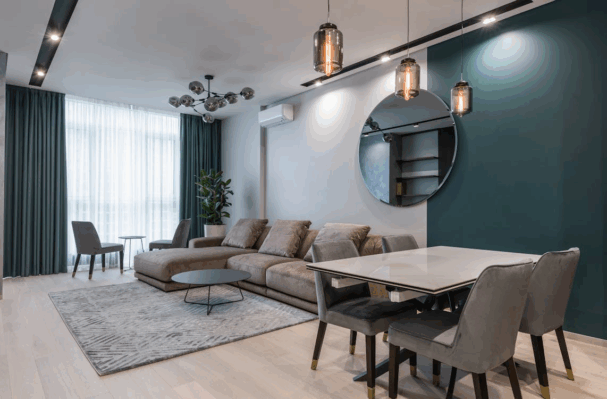
Minimalist interiors rely on clarity, space, and thoughtful restraint. This makes understanding how statement rugs can improve minimalist interiors valuable because a single piece can steer the entire feeling of a room. When visual clutter is removed, the rug gains more influence over mood, balance, and flow.
Why Minimalist Rooms Respond Well to Statement Rugs
Minimalism removes visual noise, so form and material can speak more clearly. When a room contains only the essentials, designer rugs becomes the most expressive element in the space. A geometric motif can establish rhythm, while a saturated color can lift a neutral palette. Rugs also influence how people perceive openness or direction, and that makes rugs’ impact on interior design more significant than many expect. Maintaining that clarity depends on keeping the rug in good condition, which is why many homeowners rely ontrusted carpet cleaners when a piece needs deeper care.
Color often guides the room’s personality. Soft neutrals create a calm backdrop, but one bold rug can energize the room without overwhelming it. Designers frequently start with white, gray, or pale wood, then add a rug that reinforces the atmosphere they want. Terracotta warms a stark space. Deep blue settles a room that needs grounding. Olive introduces an earthy tone that suits natural finishes.
Texture supports that expression. A flat woven rug keeps the room quiet and airy. A thick wool rug adds body and comfort. Texture supplies detail without adding objects, which helps the room feel complete while still being minimal.
How Scale And Layout Shape The Experience
A rug changes how the furniture relates to the room. A small rug can fragment the space, while a more generous one connects seating pieces into a unified zone. Living rooms feel more intentional when sofas and chairs share a common surface. Bedrooms gain a sense of calm when a rug extends beyond the foot of the bed. Dining rooms become more comfortable when chairs stay on the rug even when pulled back.
Shape plays a role in the atmosphere. A round rug softens linear rooms. Rectangular rugs strengthen the structure. An irregular shape adds visual playfulness without clutter. These considerations highlight how rugs impact home decor with simple adjustments to proportion and placement.
Here are layout ideas that suit minimalist styling:
- A large rug under a seating group so the space reads as one
- A dining rug that supports the movement of chairs without catching the edges
- A bedroom rug that softens the area where people step most often
Material Choices That Support Minimalist Design
Material affects both function and feeling, and minimalist rooms make those characteristics more visible. Wool adds warmth and a matte finish. Cotton feels breathable and light. Jute and sisal create a grounded, natural look. Synthetic fibers provide durability and stain resistance for busier homes.
Rug Material Comparison Table
| Material | Visual Effect | Best Uses |
| Wool | Soft and naturally warm | Living rooms and bedrooms |
| Cotton | Light and casual | Sitting areas and kids’ rooms |
| Jute or Sisal | Earthy and textured | Entry zones and dining spaces |
| Synthetics | Crisp color with strong durability | High traffic areas |
Material interacts with the floor beneath it. A smooth surface like polished concrete highlights the texture of a wool pile. Wood flooring softens the contrast with natural fibers. Tile can amplify the crispness of synthetic blends. Thinking through how the rug will sit on different flooring types helps create a balanced composition.
Pattern As A Design Anchor
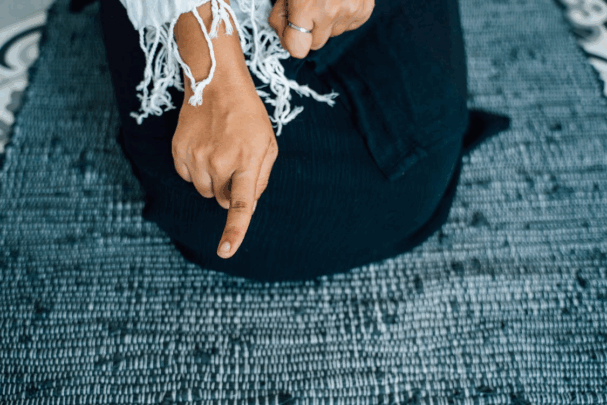
Patterns can give a minimalist room a focal point. Without excessive décor, one strong motif becomes a visual anchor that shapes the interior. Abstract designs add modern energy. Classic patterns introduce depth through heritage detail.
Insight from the Carpet and Rug Institute notes that modern rugs with pronounced patterns or color often serve as a room’s main visual feature. This supports the use of a statement rug as a stabilizing element that brings the entire layout into focus.
Shaping Perception And Space
Rugs influence how people see scale and direction. A long rug can guide movement through a narrow hallway. A pale rug with gentle contrast can open up a smaller living room. Thoughtfully chosen rugs often help people create an illusion of space when square footage feels limited.
These details matter when homeowners want to decorate statement rug for home in a minimal environment:
- Selecting one color from the rug to repeat in a pillow or small artwork
- Keeping surrounding décor quiet so the rug can function as the anchor
- Using a rug pad for better stability and comfort
Maintenance That Protects Visual Clarity
Minimalist interiors depend on clean lines and a sense of freshness. A rug that fades or collects dust will stand out quickly. Routine care keeps the rug vibrant and supports the overall clarity of the room.
Guidance from the Canadian Conservation Institute explains that sunlight can weaken fibers and fade color while dust slowly wears down textiles. Their recommendations include gentle vacuuming, reduced direct sunlight, and occasional rotation to distribute wear. This aligns with the minimalist preference for longevity and careful stewardship of core pieces.
Homeowners can maintain their rugs through simple habits:
- Keep rugs out of consistent direct sun
- Blot spills right away to limit staining
- Clean rugs periodically using a rug cleaning service when deeper care is required
Professional cleaning matters for natural fibers because they hold dust differently and often use dyes that benefit from careful handling.
Bringing The Room Together
A statement rug supports the structure, tone, and balance of a minimalist interior. It carries color and texture in a controlled way while the rest of the room stays simple. Over time, the rug becomes a familiar anchor that helps every piece feel intentional.To explore more ideas about how floors shape interiors, you can visit this blog on floors.