
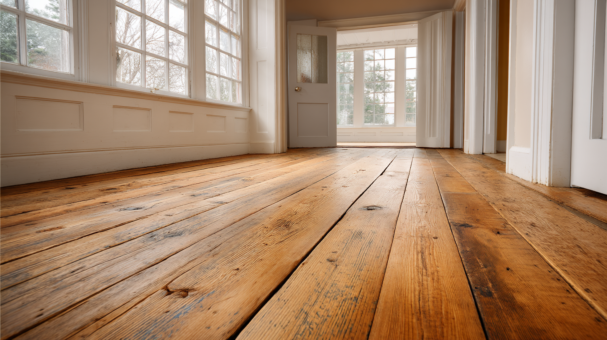
Squeaky floors are one of the most common household annoyances. While they rarely indicate serious structural damage, the noise can quickly become frustrating—especially in frequently used areas like hallways, bedrooms, and living rooms. Understanding how to fix a squeaky floor can help homeowners address the issue early and prevent it from getting worse over time.
In most cases, squeaks occur when parts of the flooring system move against each other. Loose floorboards, gaps between the subfloor and floor joists, or worn flooring materials can all create friction that produces noise. Fortunately, many squeaky floor problems can be solved with simple repairs. In other situations, more extensive repairs or flooring replacement may be necessary.
Why Floors Become Squeaky
Before attempting a repair, it helps to understand what causes the noise.
Friction Between Floorboards and Subfloor
One of the most common causes of squeaks is movement between the finished floor and the subfloor beneath it. Over time, nails or fasteners can loosen, allowing the boards to shift slightly when stepped on.
When these materials rub against each other, they create the squeaking sound many homeowners notice.
Gaps Between Subfloor and Floor Joists
Another common cause occurs when the subfloor separates slightly from the joists that support it. These small gaps allow the floor to flex when weight is applied.
Wood naturally expands and contracts with humidity and temperature changes, which can gradually create these gaps.
Structural Movement in Older Homes
Older homes may develop squeaks as part of normal structural settling. Over time, slight shifts in framing components can allow floors to move more than originally intended.
Identifying which of these issues is causing the squeak helps determine the best repair method.
Step 1: Locate the Source of the Squeak
The first step in fixing a squeaky floor is pinpointing the exact location of the noise.
Walk and Mark the Noisy Areas
Walk slowly across the floor and listen for squeaks. When you hear the noise, mark the spot with painter’s tape or chalk. This helps ensure you address the precise area causing the issue.
Determine Whether the Squeak Comes From Above or Below
If you have access to the floor from below—such as through a basement or crawlspace—you may be able to see the movement that causes the squeak.
Watching the subfloor while someone walks above can help identify gaps or loose boards.
Step 2: Fix Loose Floorboards from Above
If the squeak is caused by loose floorboards, repairing it from above is often the simplest solution.
Use Screws Instead of Nails
Driving screws through the floorboards into the joists can secure the flooring more firmly than nails. Screws hold tightly and are less likely to loosen over time.
Use screws designed for flooring and drive them carefully so they sit just below the surface.
Secure the Subfloor to the Joists
If the squeak originates from the subfloor rather than the finished flooring, driving screws through the subfloor into the joists can help stabilize the structure and eliminate movement.
Step 3: Repair Squeaks from Below
If you have access to the underside of the floor, repairing squeaks from below can be even more effective.
Insert Wooden Shims
Small wooden shims can be inserted into gaps between the subfloor and the floor joists. This fills the space and prevents movement that causes squeaking.
It’s important not to force the shim too tightly, as that could lift the flooring above.
Apply Construction Adhesive
Another method is applying construction adhesive along the seam where the joist meets the subfloor. The adhesive helps bond the materials together and reduces movement.
This technique is often used when reinforcing floors during repairs.
Step 4: Use Lubricants for Minor Squeaks
Not all squeaks require structural repairs. In some cases, friction between floorboards can be reduced with simple lubricants.
Graphite Powder
Graphite powder can be applied between floorboards to reduce friction. The powder works its way into small gaps and allows boards to move more smoothly.
Talcum Powder Method
Some homeowners use talcum powder in a similar way. Sprinkling a small amount between boards and sweeping it into the seams can sometimes eliminate minor squeaks.
This method is most effective for hardwood floors with narrow gaps between boards.

Step 5: Reinforce the Subfloor
In situations where squeaks occur across larger areas, reinforcing the floor structure may be necessary.
Add Blocking Between Joists
Wood blocking installed between floor joists can help stabilize the flooring system and prevent excessive movement.
Blocking provides additional support that distributes weight more evenly across the floor.
Strengthen the Floor System
If squeaks are widespread, the underlying floor structure may require reinforcement. Renovation professionals such as America’s Advantage Remodeling address these issues during larger home remodeling projects when subfloor systems are exposed.
Reinforcing the structure during renovation can prevent squeaks from returning later.

Step 6: Replace or Repair Damaged Flooring
Sometimes squeaky floors are caused by worn or damaged flooring materials rather than loose fasteners.
Replace Warped or Damaged Boards
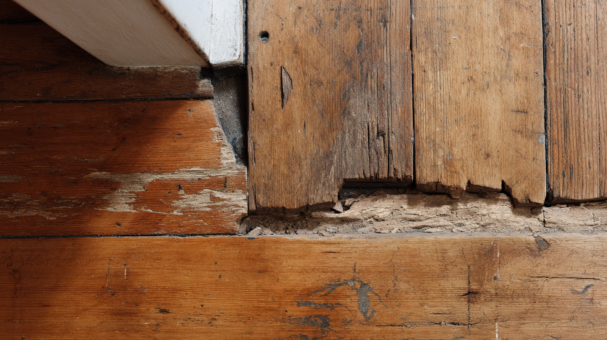
If floorboards are cracked, warped, or weakened by moisture, replacing them may be the best solution.
Damaged boards are more likely to move and create noise when stepped on.
Address Worn Flooring Systems
In homes with older flooring installations, squeaks may indicate that the entire flooring system is reaching the end of its lifespan. Flooring specialists like Best Floor Coverings often help homeowners determine whether repairs are sufficient or if installing new flooring would provide a more permanent solution.
Common Mistakes to Avoid When Fixing Squeaky Floors
Certain repair methods can actually make the problem worse if done incorrectly.
Ignoring the Underlying Cause
Quick fixes that don’t address the root problem may only provide temporary relief. Diagnosing the cause of the squeak first is essential.
Using Nails Instead of Screws
Nails can loosen over time, especially in areas with frequent foot traffic. Screws provide a stronger and longer-lasting connection.
Overdriving Fasteners
Driving screws too deeply into the flooring can damage the surface material and create additional repair work.

Tips to Prevent Future Floor Squeaks
Preventative maintenance can help reduce the likelihood of squeaky floors returning.
Helpful practices include:
- Maintaining consistent indoor humidity levels
- Reinforcing floors during remodeling projects
- Using proper fasteners during flooring installation
- Addressing small floor movements early
These steps help maintain the stability of the flooring system over time.
Final Thoughts
Learning how to fix a squeaky floor often starts with identifying the source of the movement causing the noise. In many cases, simple repairs such as tightening loose boards or inserting shims can eliminate squeaks quickly.
However, when squeaks are widespread or caused by aging flooring systems, more comprehensive repairs may be necessary. Addressing the issue early helps protect the structural integrity of the floor and improves comfort within the home.
With the right approach, homeowners can eliminate squeaks and restore quiet, stable flooring throughout their living spaces.