

A Different Way to Think About Home Security
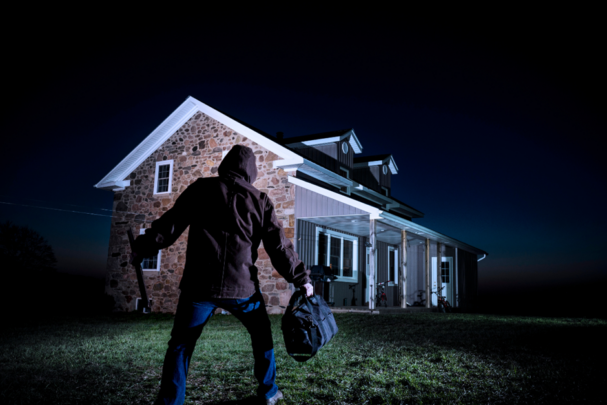
Most homeowners assess security based on what makes them feel safe. Burglaries operate on a different logic. Offenders are not grading a home on comfort or technology. They are assessing effort, visibility and risk.
Imagine if a burglar could rate your property from the street in under 20 seconds. What score would it receive?
Security is often less about complexity and more about perceived difficulty. The easier a home looks, the more attractive it becomes.
What Offenders Typically Look For
Research into residential burglary consistently shows that offenders prefer speed and minimal exposure. They look for signs of vulnerability. Unlocked access points, concealed windows and properties with limited street visibility often attract attention.
Below is a simplified version of what a street level assessment might resemble.
Table 1: The Street View Security Scorecard
| Security Feature | What It Signals to an Offender | Risk Impact |
| No visible security measures | Low resistance, low effort required | High risk |
| Basic door locks only | Standard protection, possibly quick entry | Medium to high risk |
| Motion sensor lighting | Increased visibility at night | Medium risk |
| Visible CCTV cameras | Monitoring present, risk of identification | Medium risk |
| Alarm system signage | Potential response after entry | Medium risk |
| Security screens | Added resistance at entry points | Lower risk |
| External roller shutters | Significant effort required, visible barrier | Lower risk |
This table does not reflect certainty. It reflects perception. Perception influences choice.
The “Too Hard” Factor
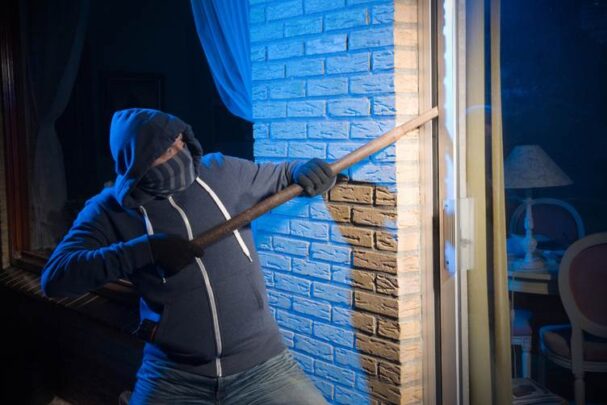
Security professionals often observe a consistent behavioural pattern. When a property appears difficult to enter, many offenders simply move on.
David Spottiswood, founder of Titan Shutters, has seen this repeatedly in Melbourne suburbs. “Most burglaries are opportunistic. If a house looks like it will take extra time or create noise, it quickly drops down the list of options.”
He notes that visibility matters. A physical barrier that covers windows changes the equation before an attempt begins.

Detection vs Deterrence
Many modern homes rely heavily on smart systems. Cameras, sensors and app based alerts are common. These technologies are useful. They improve awareness and documentation.
However, they do not prevent the initial attempt.
The difference between detection and deterrence is important. Detection responds to an event. Deterrence discourages it.
Table 2: Comparing Common Security Measures
| Security Measure | Visible from Street | Physically Prevents Entry | Alerts After Attempt | Primary Function |
| Deadbolt locks | No | Limited | No | Reinforcement |
| Alarm system | Sometimes | No | Yes | Detection |
| CCTV cameras | Yes | No | Yes | Monitoring |
| Motion lighting | Yes at night | No | No | Visibility |
| Security screens | Yes | Partial | No | Delay |
| Roller shutters | Yes | Yes | No | Deterrence |
Each tool plays a different role. A layered approach is common. The distinction lies in when the protection activates.
Testing Your Own Property
Homeowners can conduct a simple assessment exercise.
Stand across the street and look at your property. Ask yourself the following:
- Are entry points clearly reinforced?
- Does the property look easy to access?
- Would someone be exposed while attempting entry?
- Is there any visible sign that breaking in would require time and effort?
If the answers suggest low resistance, the property may rank higher on an opportunistic shortlist.
Spottiswood suggests focusing on perceived effort. “You are not trying to make your home the most secure building in the suburb. You are trying to make it the least appealing target.”
Security as Behavioural Influence
Crime prevention often focuses on response. Behavioural influence works earlier in the process.
Visible physical barriers communicate friction. Friction creates doubt. Doubt leads to abandonment.
In suburbs where residential burglary rates fluctuate year to year, simple visual deterrents can shift how a property is assessed from the street.
If offenders truly rated homes before choosing a target, many Melbourne properties would likely score lower than their owners expect.