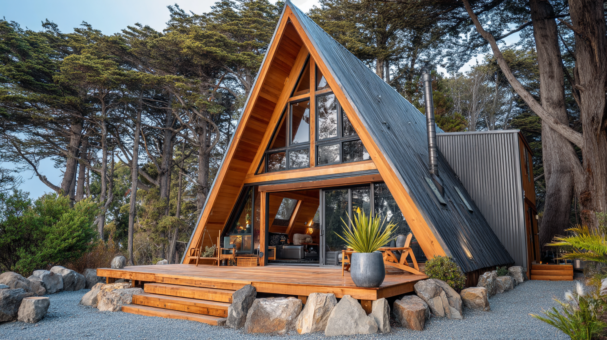
A-frame homes have remained one of the most recognizable architectural styles for decades. With their steep triangular rooflines and dramatic front windows, A-frame houses offer a striking combination of simplicity and character. In recent years, this style has experienced a resurgence as homeowners look for compact, efficient homes with a strong architectural identity.
Exploring A frame house designs today often means blending traditional cabin architecture with modern materials, open layouts, and energy-efficient construction methods. Whether built as a vacation retreat, a minimalist primary residence, or an accessory dwelling unit (ADU), A-frame homes provide a unique balance between style and functionality.
This guide explores the defining characteristics of A-frame homes, common layout options, and the structural considerations that influence their design.
What Defines an A Frame House Design?
At its core, the A-frame home is defined by its triangular structure.
The Signature Triangular Structure
An A-frame home features steep rooflines that extend from the ridge of the roof down to the foundation, forming a structure that resembles the letter “A.” In many cases, the roof serves as both the roof and the walls of the house.
This design creates a visually dramatic silhouette while simplifying the overall structural system.
Key Architectural Characteristics
Several features are commonly found in A-frame homes:
- Large front windows that extend toward the roof peak
- Open interior floor plans
- Loft spaces above the main living area
- Minimal interior partitions
These elements allow natural light to fill the interior space while maintaining the minimalist design that defines the A-frame style.
Why A Frame House Designs Are Becoming Popular Again
Although A-frame homes first gained popularity in the mid-20th century, they have returned as a modern architectural trend.
Efficient Use of Space
A-frame homes often make efficient use of small footprints. The steep roof creates vertical space that can be used for loft bedrooms, storage, or additional living areas.
Because of this efficiency, A-frame designs are frequently used for compact homes and vacation cabins.
Energy Efficiency Potential
Large front windows allow significant natural light to enter the home, reducing the need for daytime artificial lighting. When combined with modern insulation and energy-efficient glass, contemporary A-frame homes can perform well in a variety of climates.
Unique Architectural Appeal
The distinctive shape of an A-frame home creates a visually memorable structure. This makes the design especially popular in scenic environments such as mountains, forests, and lakeside locations.
Common Floor Plans for A Frame Homes
A-frame homes can vary significantly in size and layout depending on their intended use.
Small A Frame Cabin Layouts
Many A-frame homes are designed as small cabins ranging from 400 to 800 square feet.
Typical layouts include:
- A main living space with kitchen and seating area
- A bathroom on the main floor
- A loft bedroom above the living space
These designs maximize usable space while maintaining a compact footprint.
Mid-Sized A Frame Homes
Larger A-frame homes may range from 1,000 to 1,500 square feet and often include:
- Two bedrooms
- Larger kitchens and dining spaces
- Extended outdoor decks or patios
These homes maintain the A-frame aesthetic while providing more comfortable living space.
A Frame ADU Designs
Many homeowners are now incorporating A-frame architecture into accessory dwelling units. These structures can serve as guest houses, rental units, or housing for extended family members.
Builders specializing in compact residential structures, such as Golden State ADUs often design A-frame ADU projects that maximize small spaces while maintaining modern building standards.
Materials Commonly Used in Modern A Frame Construction
Material selection plays an important role in both the appearance and durability of an A-frame home.
Structural Framing
Most A-frame homes use traditional wood framing because it supports the triangular structure effectively. In some cases, steel components may be incorporated to strengthen structural connections.
Exterior Materials
Exterior materials frequently include:
- Wood siding for a natural aesthetic
- Metal roofing for durability
- Large glass panels for front-facing walls
Metal roofs are particularly common because the steep roof angle naturally sheds snow and rain.
The choice of materials helps define whether the home feels rustic, contemporary, or somewhere in between.
Designing the Interior of an A Frame Home
Interior design in A-frame homes must work with the structure’s unique geometry.
Open Living Spaces
Because the roof slopes inward, many A-frame homes rely on open floor plans to maximize usable space. Kitchens, dining areas, and living rooms are often combined into a single main room.
This layout makes the space feel larger and more connected.
Loft Areas for Bedrooms
Lofts are a defining feature of many A-frame homes. The upper portion of the triangular structure naturally creates a second level that can be used for sleeping areas or reading spaces.
Lofts help utilize vertical space without expanding the home’s footprint.
Natural Lighting
Large windows are often placed on the front façade of an A-frame home, extending upward toward the peak of the roof.
These windows provide dramatic natural lighting while framing views of the surrounding landscape.
Engineering Considerations for A Frame Homes
Although A-frame homes may appear simple, their structural design requires careful planning.
Structural Stability
The angled walls of an A-frame house distribute structural loads differently from conventional homes. The roofline carries much of the structural weight, which means precise framing and connections are critical.
Roof and Snow Load Factors
In regions with heavy snow, the steep roof pitch of an A-frame home helps prevent snow accumulation. However, structural calculations must still ensure the roof can support seasonal loads.
Foundation Requirements
A-frame homes may use slab foundations, pier foundations, or crawlspaces depending on site conditions.
Engineering analysis is often necessary to ensure the structure complies with local building codes. Firms such as Golden State Design and Engineering frequently assist with site analysis, structural planning, and permitting for residential construction projects.
Advantages of Building an A Frame House
A-frame homes offer several advantages that make them appealing to homeowners.
Architectural Simplicity
The triangular structure reduces the number of structural components required compared to more complex roof designs.
Strong Weather Resistance
Steep roof angles help rain and snow slide off quickly, which can improve long-term durability.
Ideal for Scenic Locations
Large windows allow homeowners to enjoy views of their surroundings, making A-frame homes especially popular in natural environments.
Potential Challenges of A Frame Homes
While A-frame homes have many benefits, they also present some design challenges.
Limited Wall Space
Because the walls slope inward, there is less vertical wall space for furniture placement or cabinetry.
Insulation Considerations
Proper roof insulation is essential because the roof forms most of the building envelope.
Interior Layout Constraints
Designing rooms within the triangular structure requires careful planning to maintain functional living spaces.
Tips for Designing a Successful A Frame Home
Homeowners planning an A-frame project can benefit from several design strategies.
- Prioritize natural lighting with large windows
- Use multifunctional furniture in smaller layouts
- Incorporate outdoor decks or patios to extend living space
- Select durable roofing materials suited to the climate
- Work with professionals experienced in unique architectural designs
These considerations help ensure the home remains both functional and visually appealing.
Final Thoughts
Exploring A frame house designs reveals why this architectural style continues to attract attention decades after it first became popular. The distinctive triangular form, combined with open interiors and abundant natural light, creates homes that feel both modern and timeless.
Whether built as a vacation cabin, a compact residence, or an accessory dwelling unit, A-frame homes offer a unique blend of architectural simplicity and visual impact. With thoughtful planning and proper engineering, homeowners can create spaces that balance design, durability, and long-term functionality.