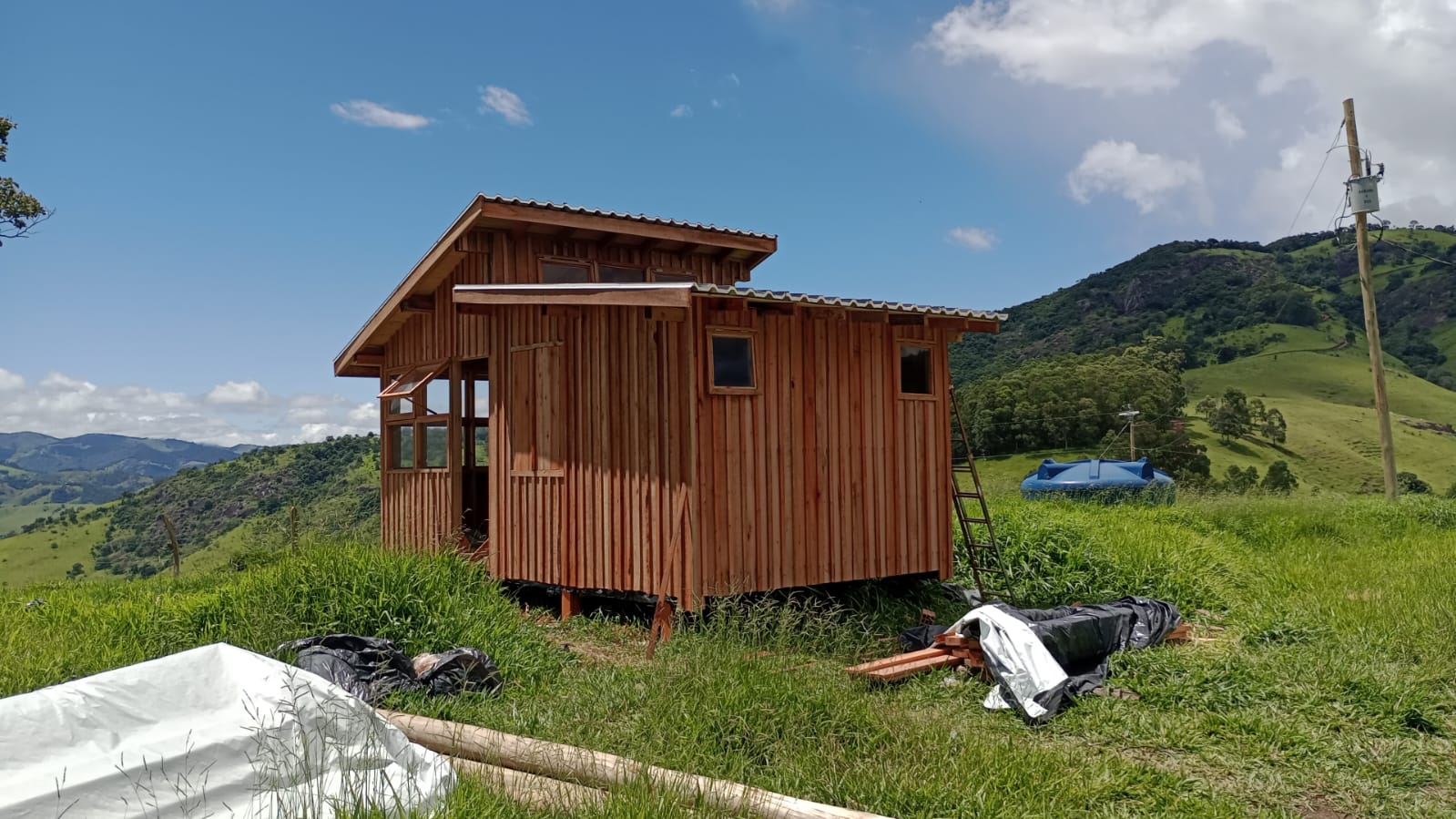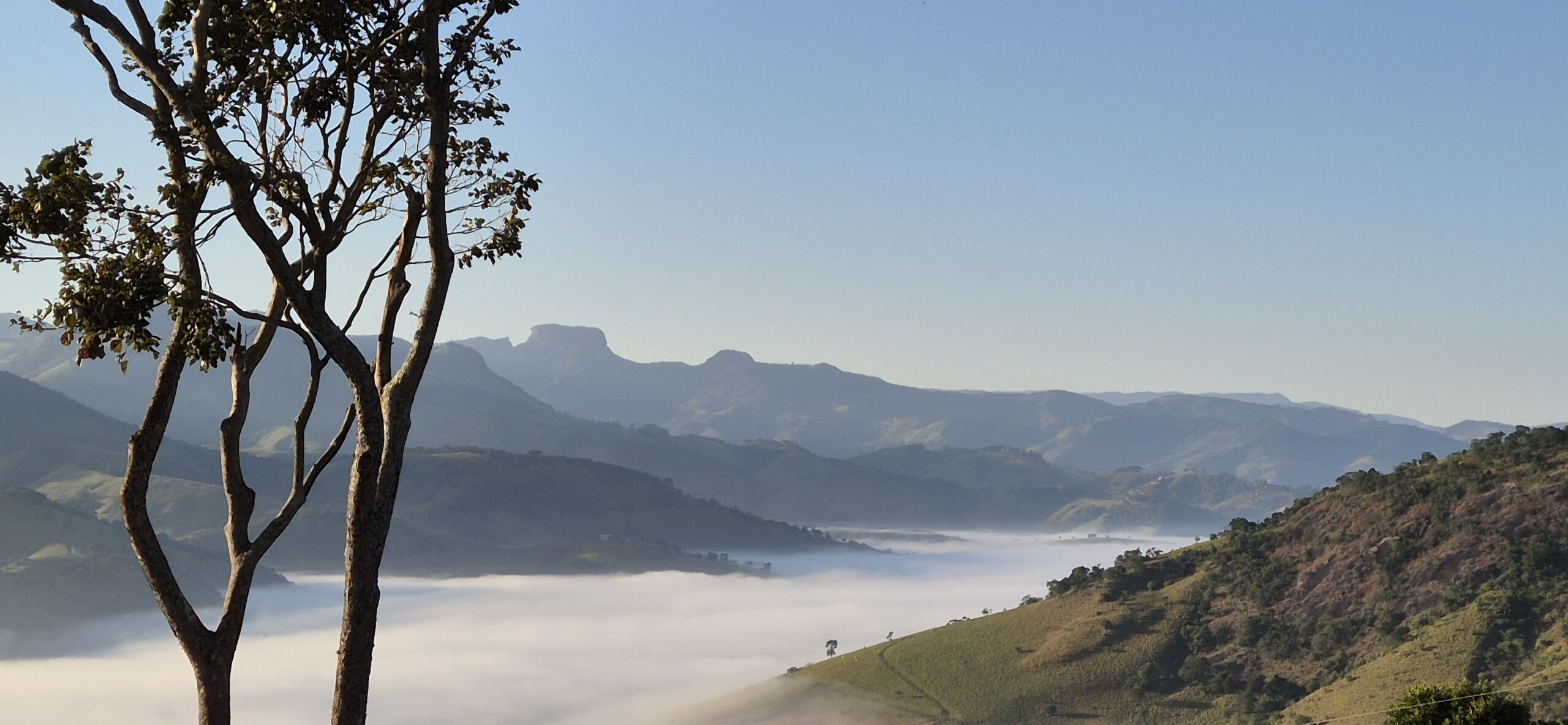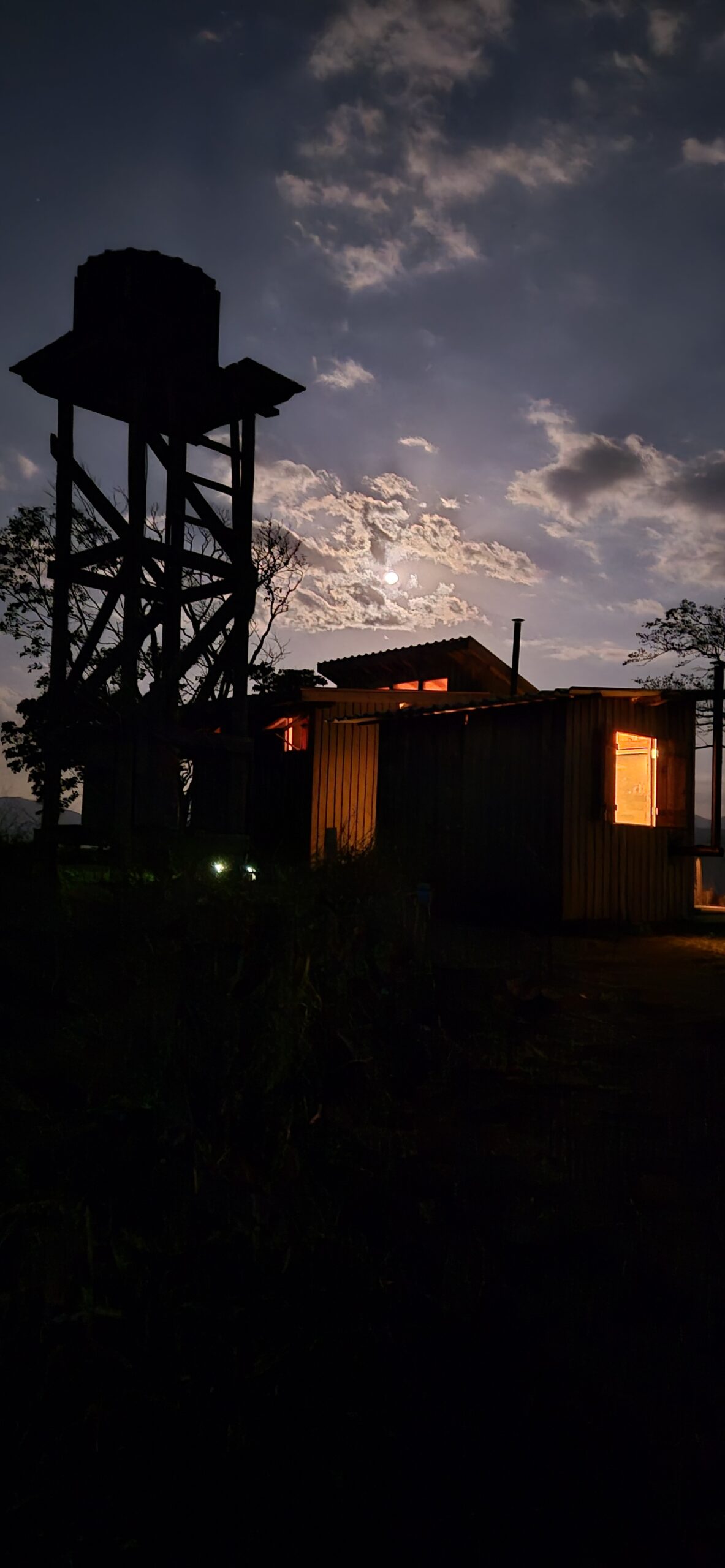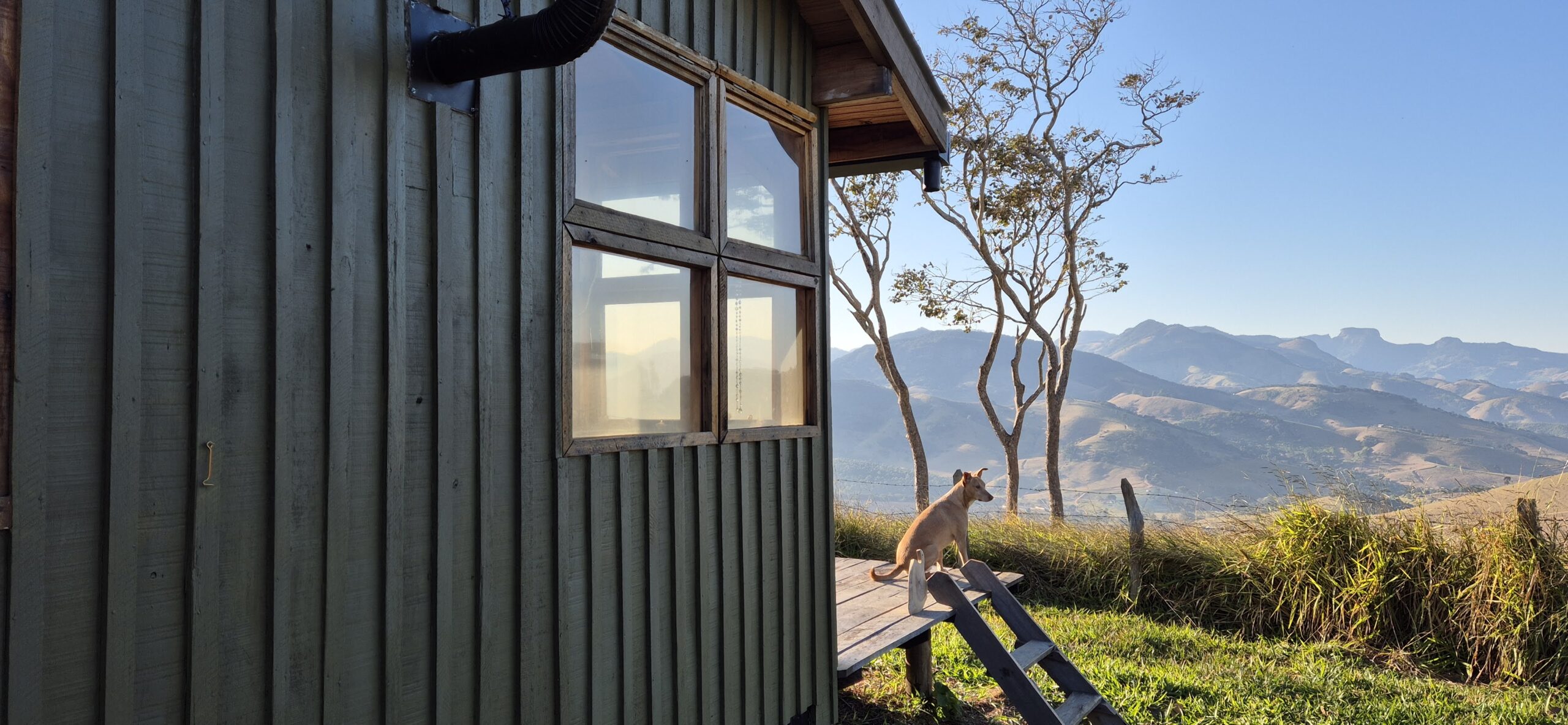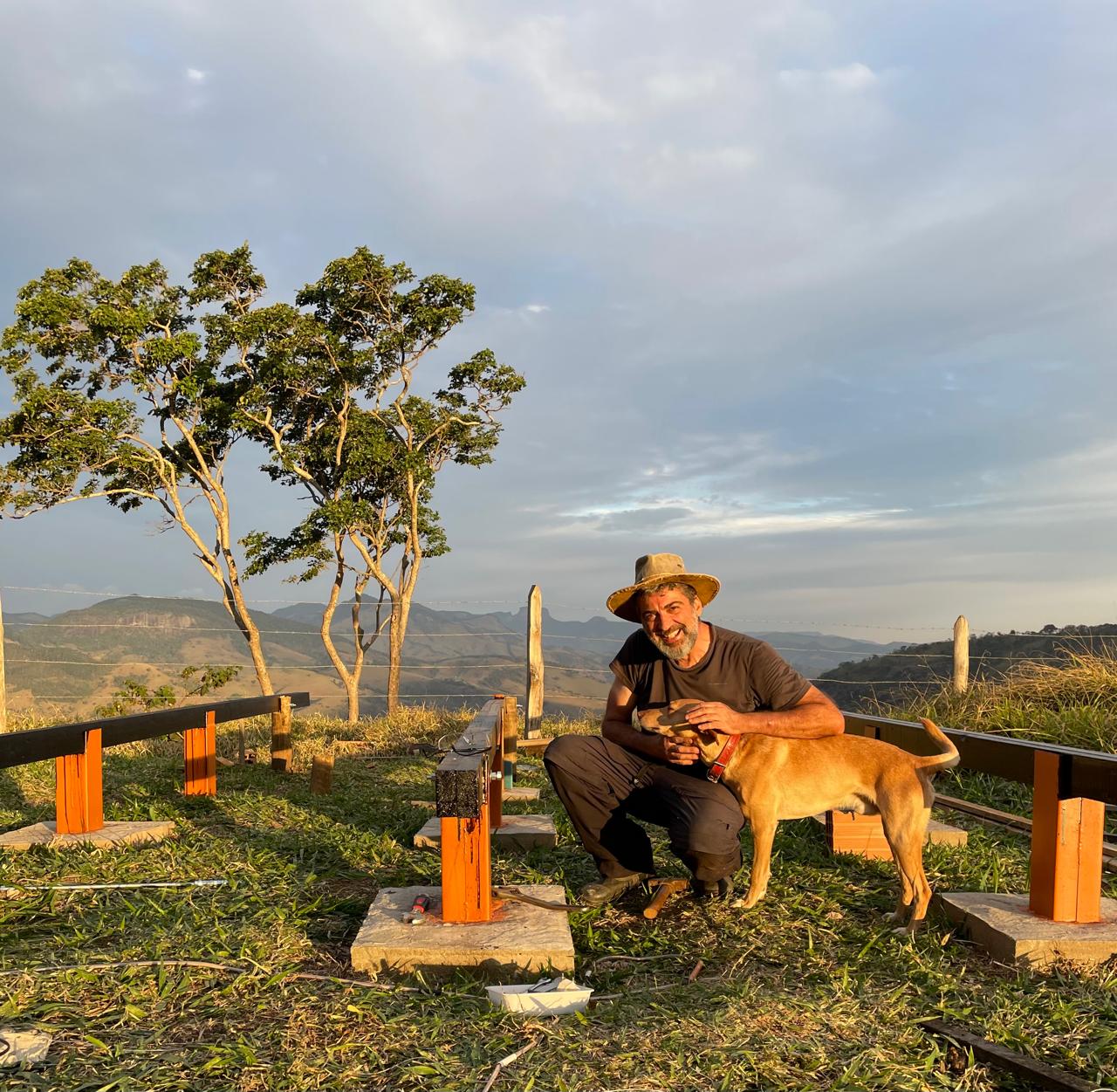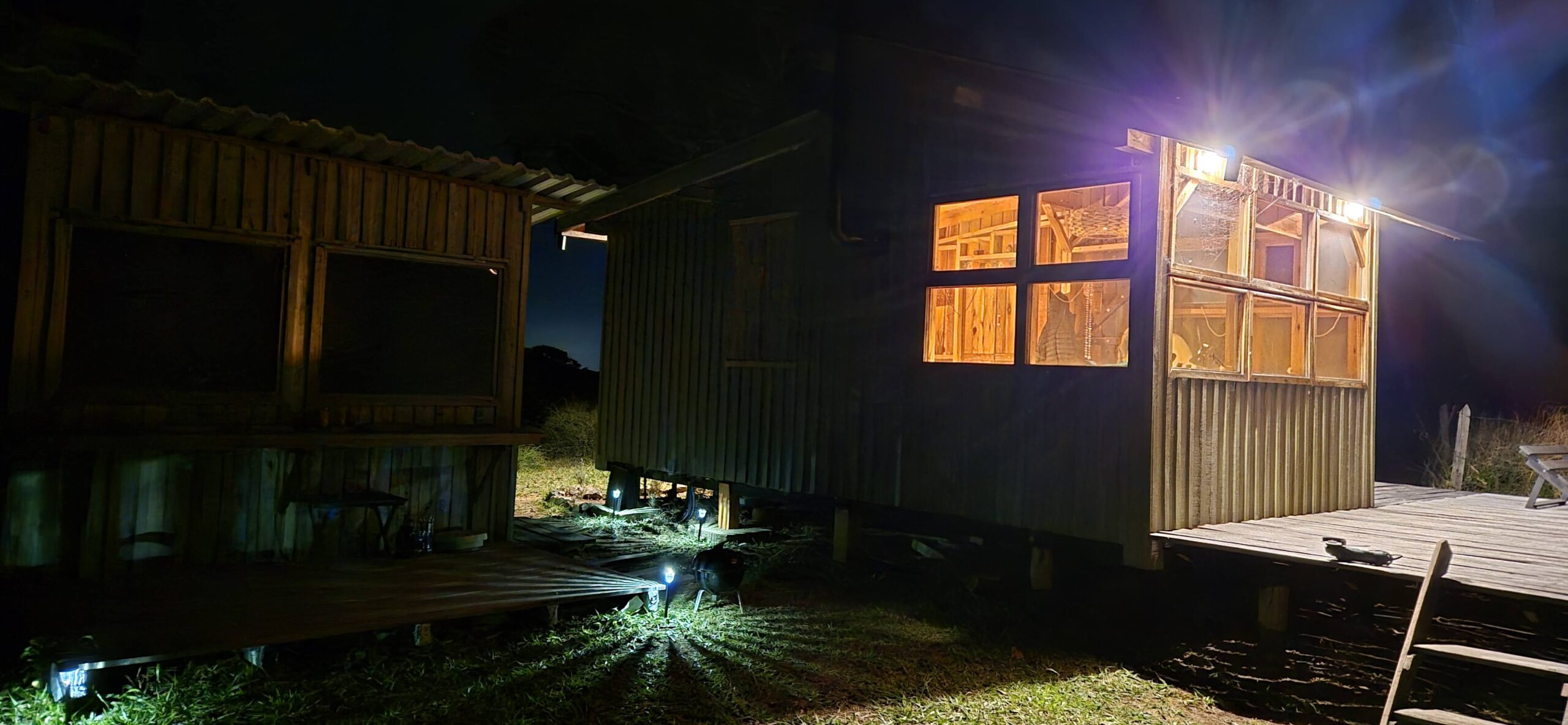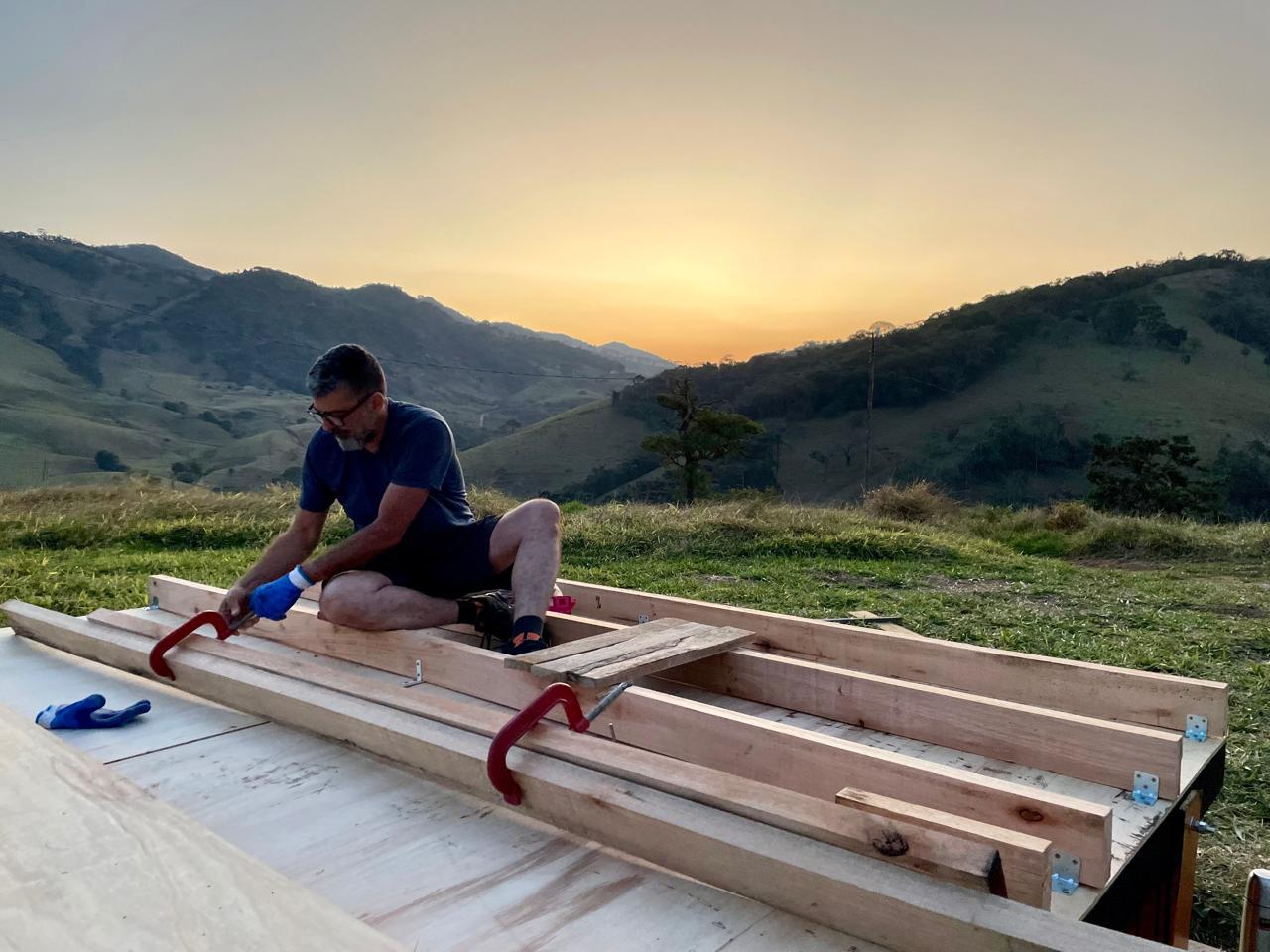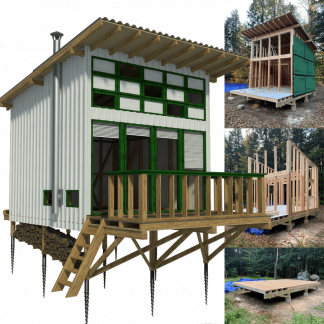
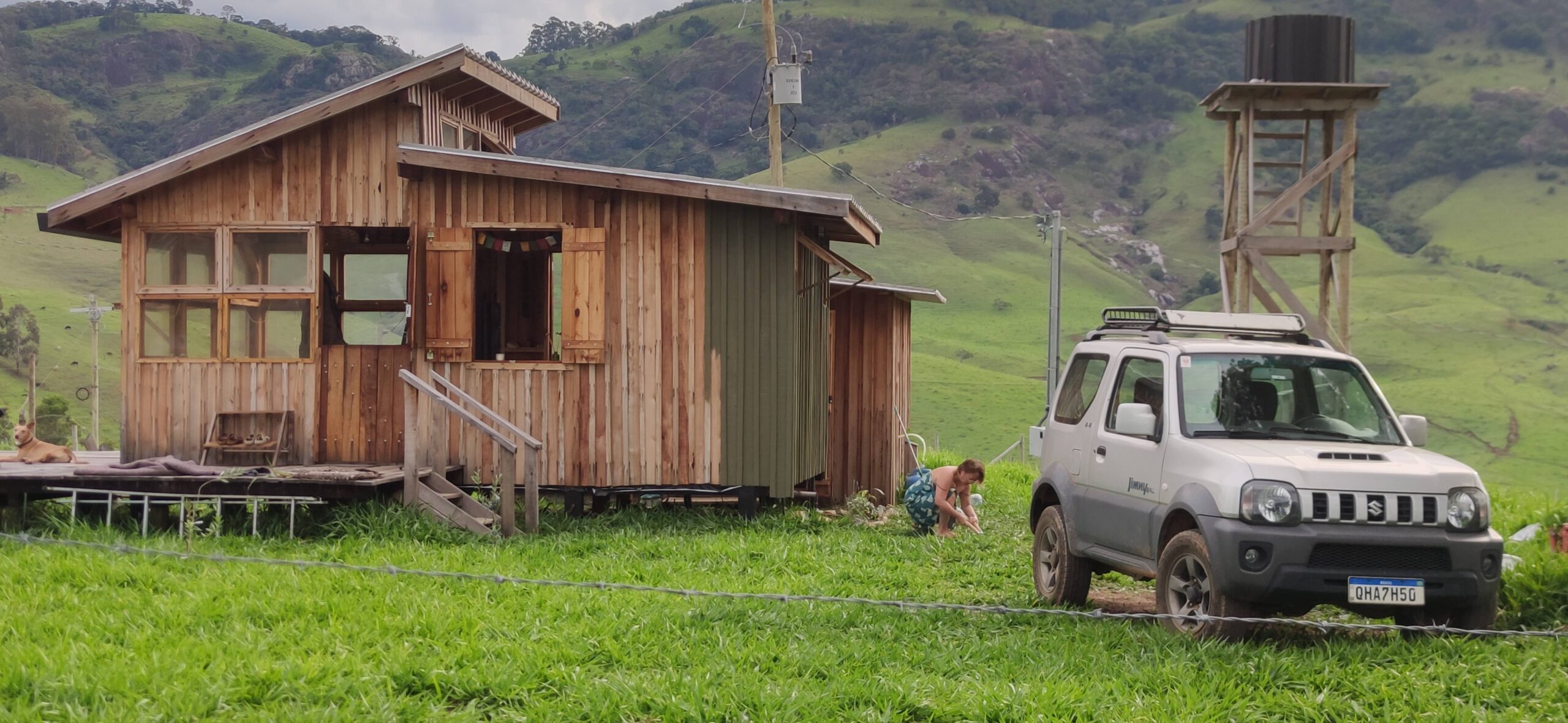
Set in a place where every direction offers breathtaking views, this cabin is a thoughtful response to landscape, climate, and a desire for simplicity. Built almost entirely by hand, with minimal tools and a clear vision, the project shows how adapting a house plan can lead to a deeply personal and functional home. In this interview, the builder shares how location, weather, and a love for rustic minimalism shaped every decision—from structure and materials to daily life by the wood stove.
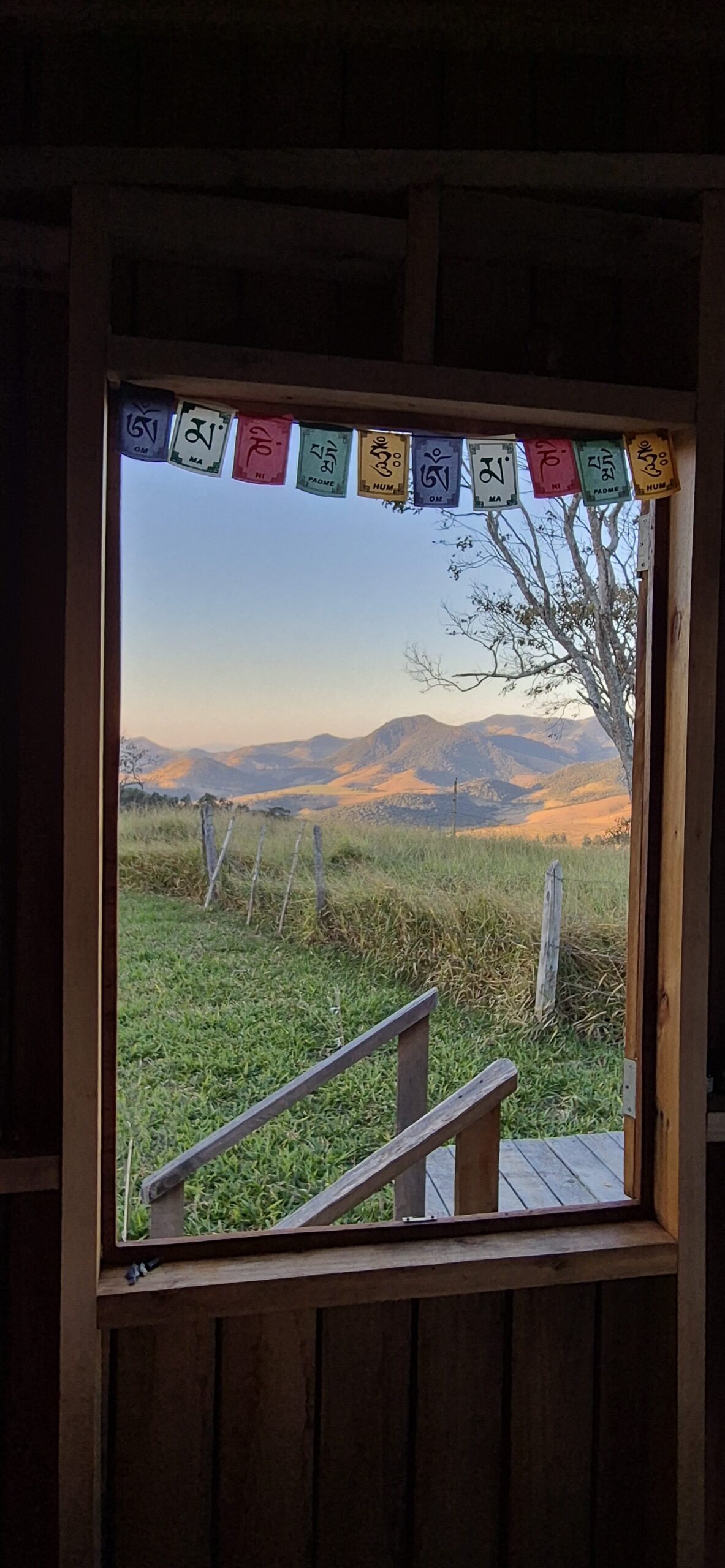
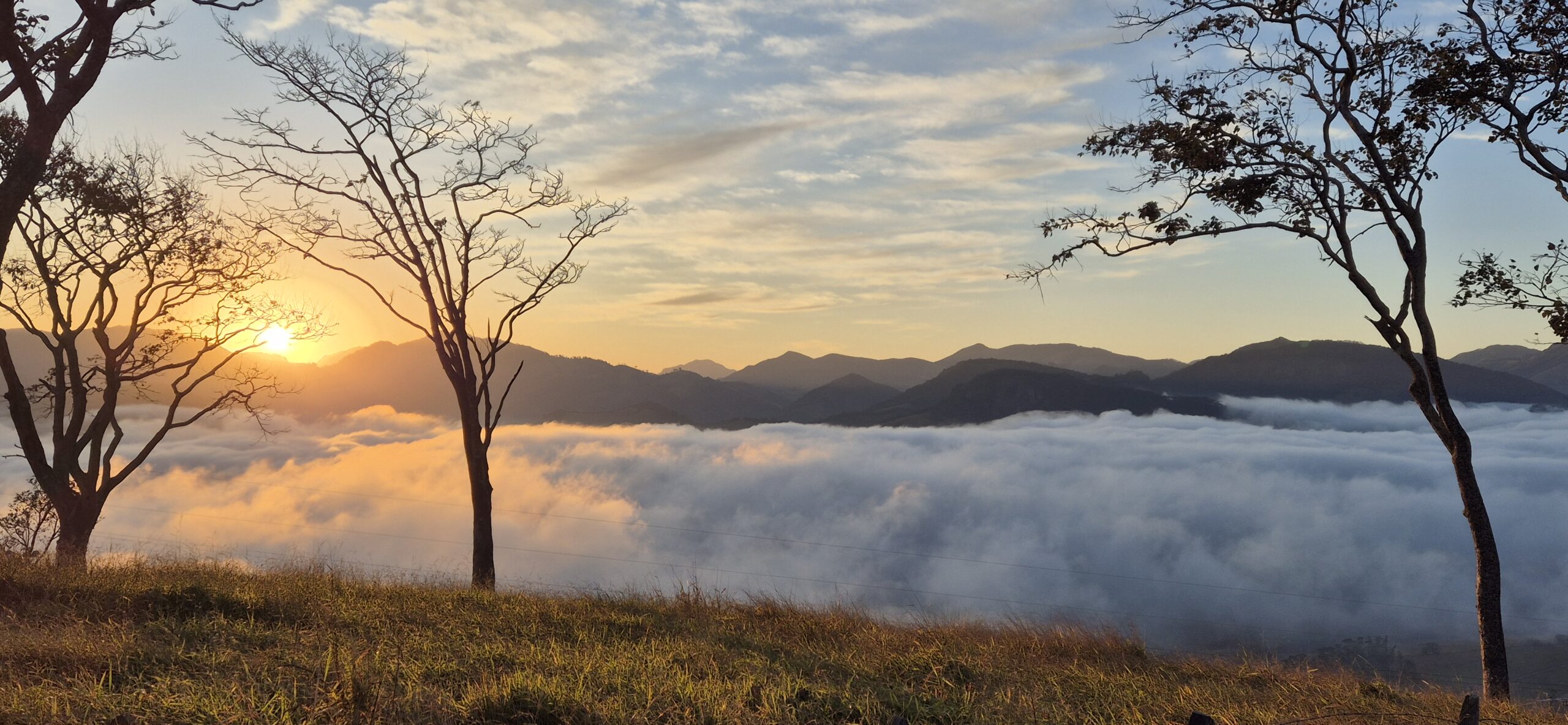
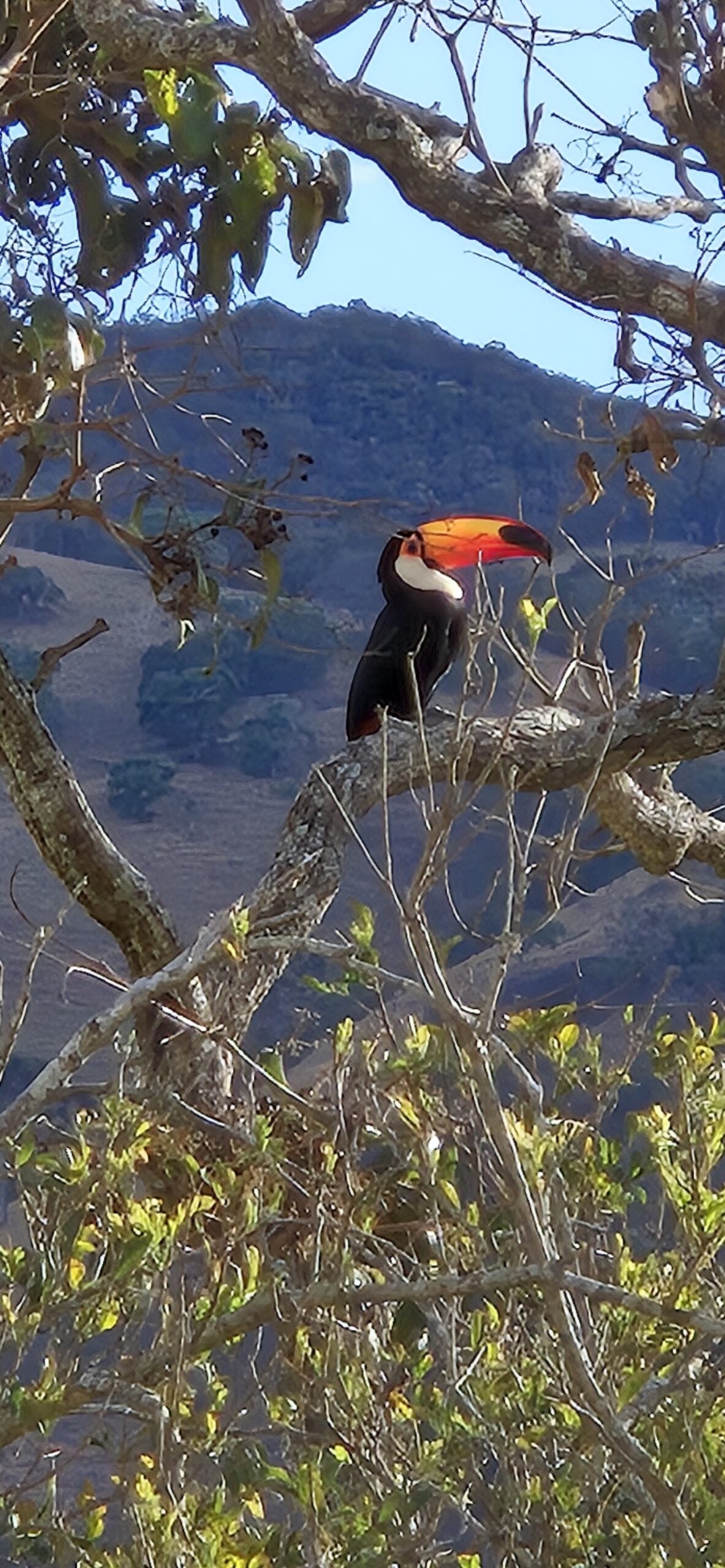
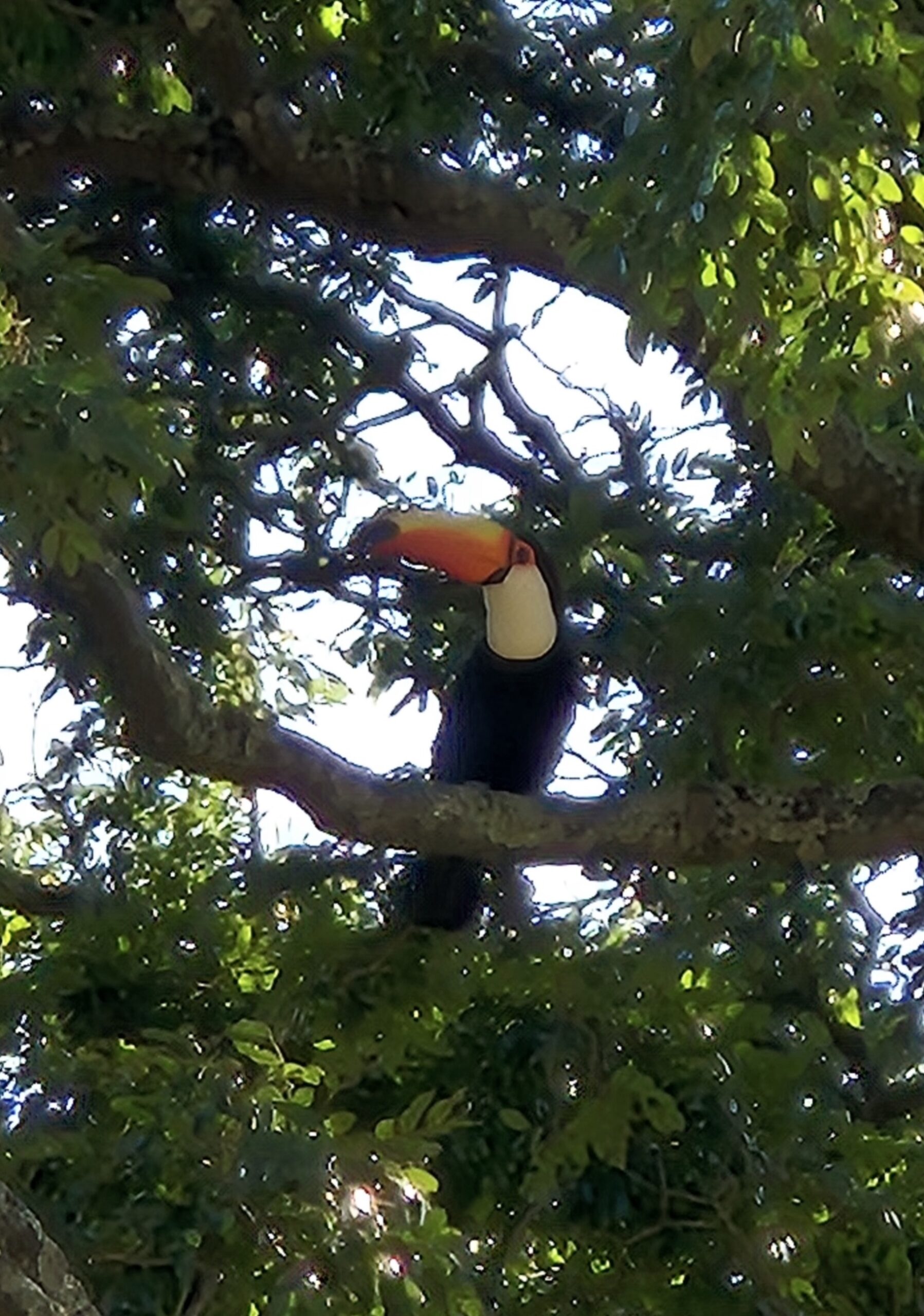
The views around your cabin are stunning – mountains, sunsets, even a toucan! How important was the location in your decision to build here?
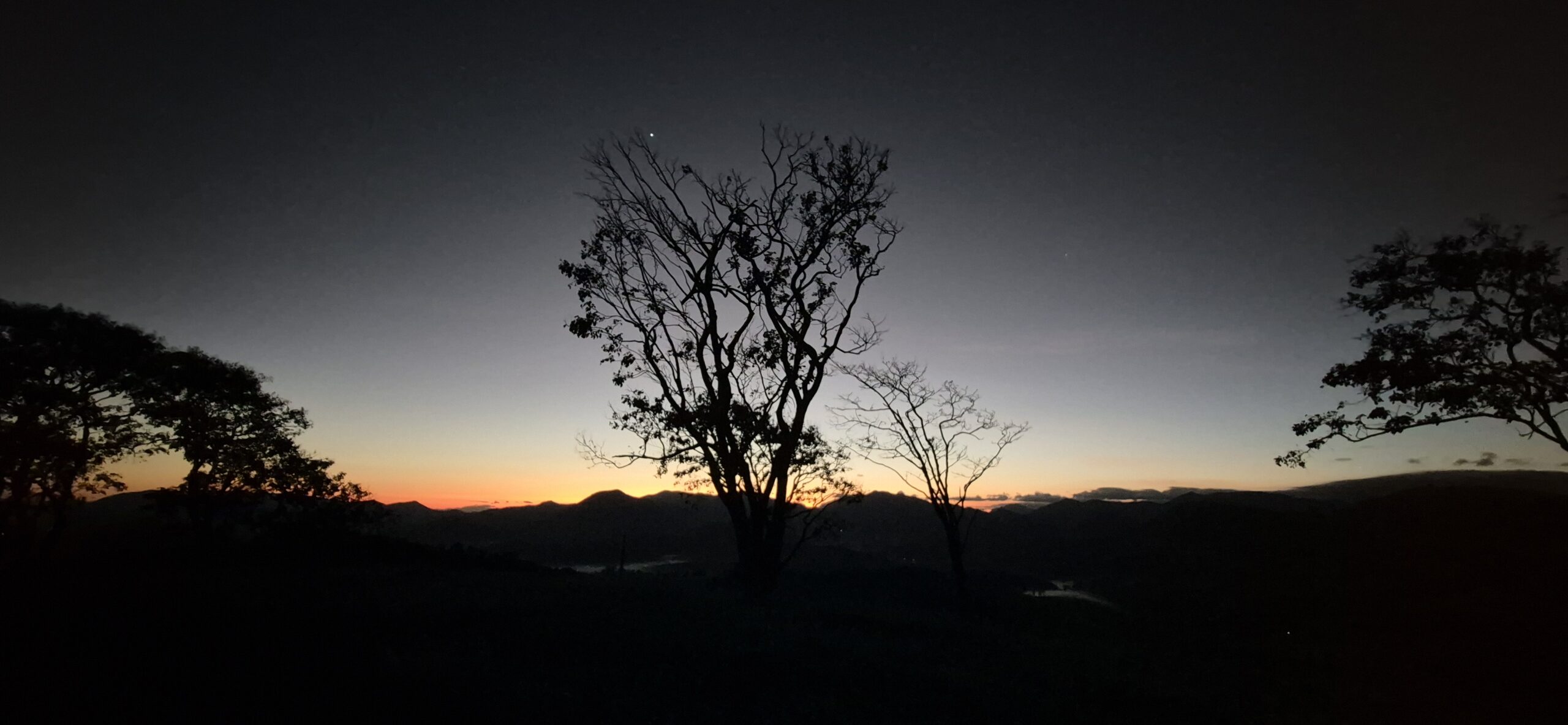
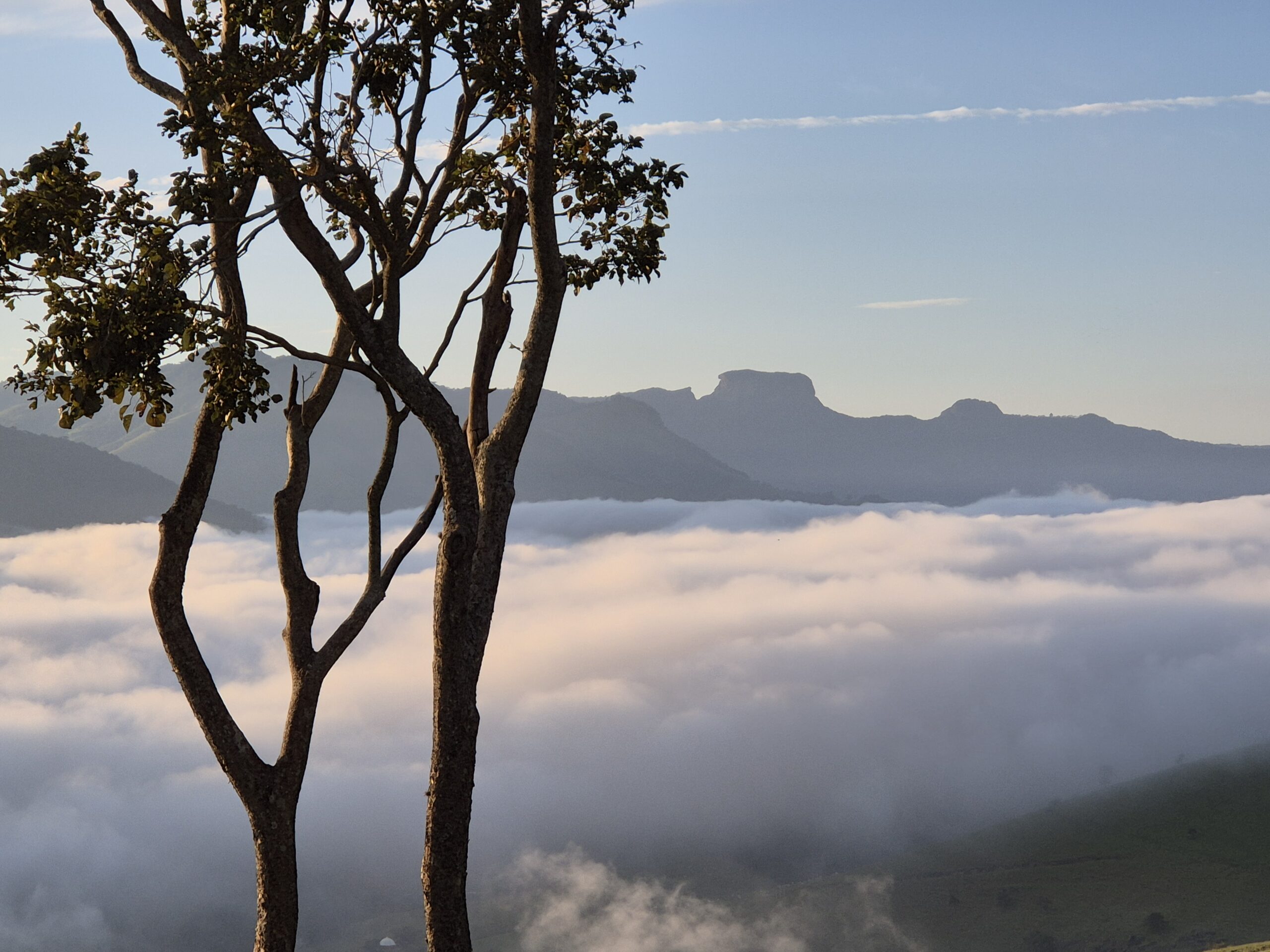
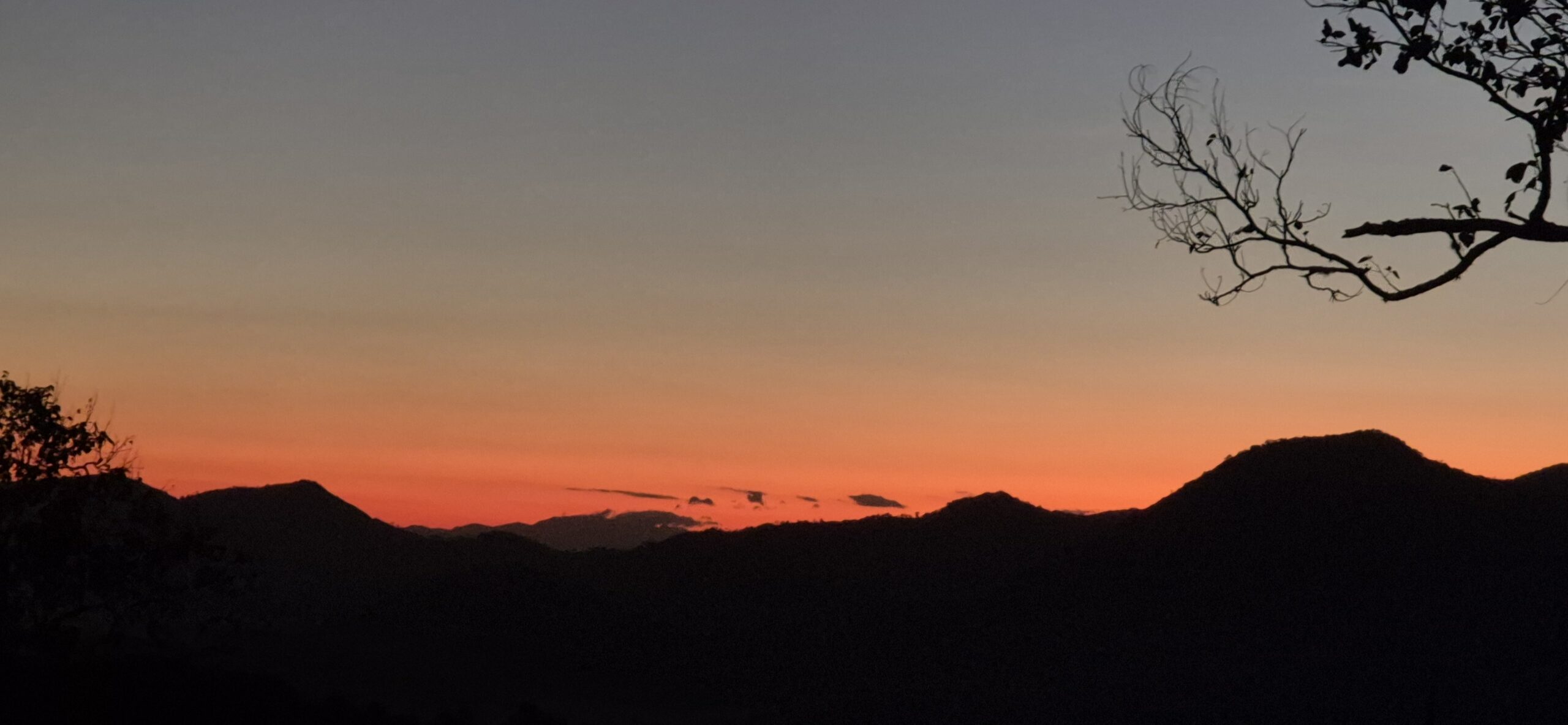
Location is one of the most important considerations. In this case, every direction offers beautiful views, but I also took into account weather conditions, such as wind direction, sunset, and sunrise
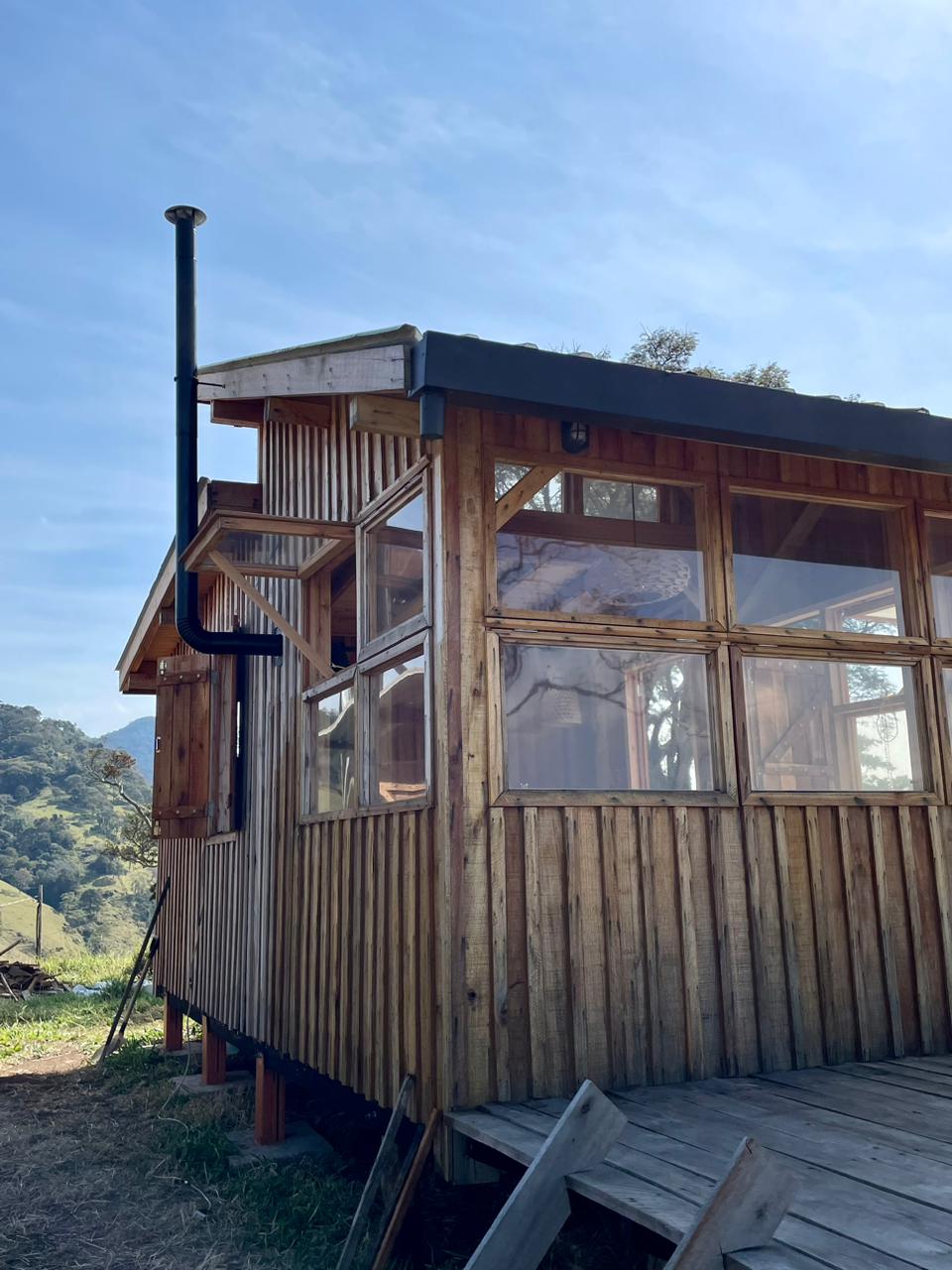
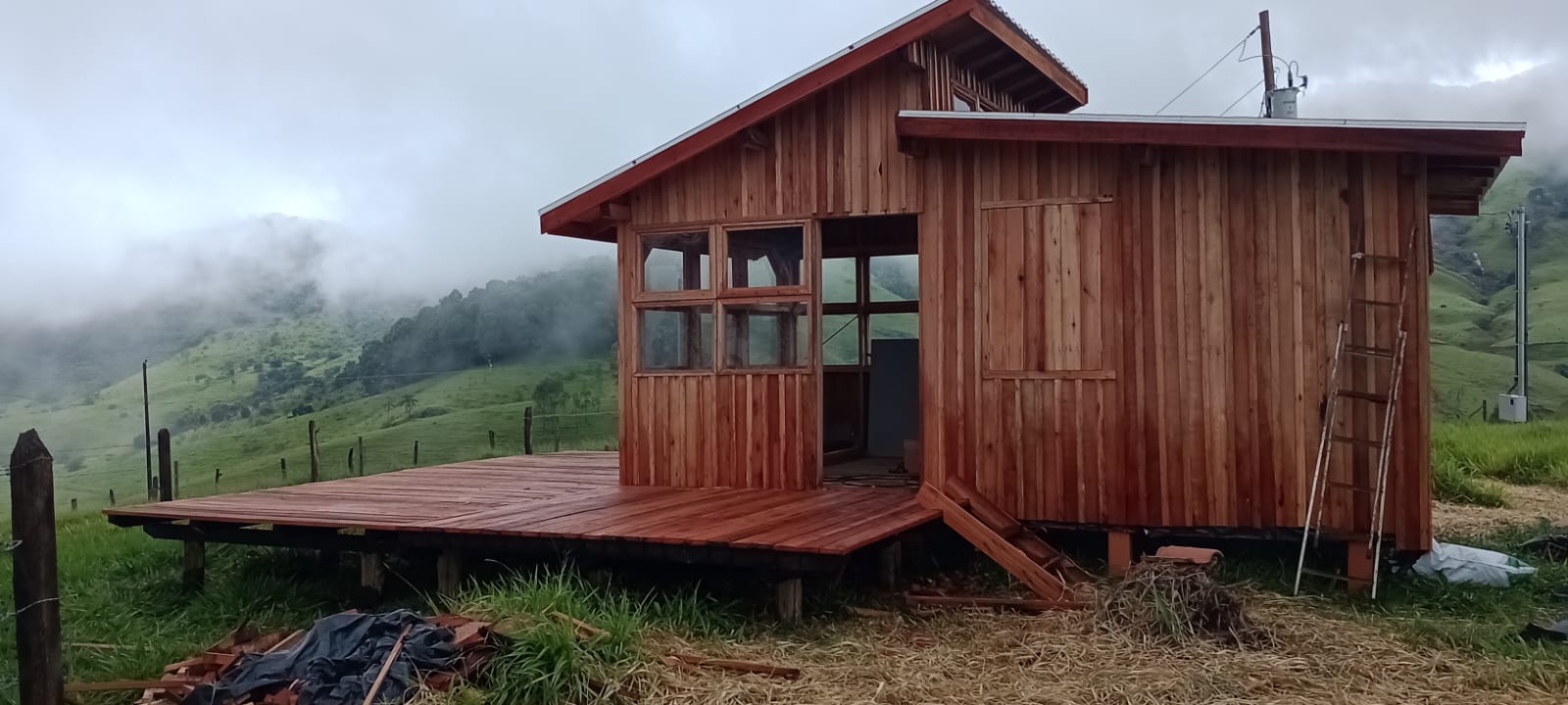
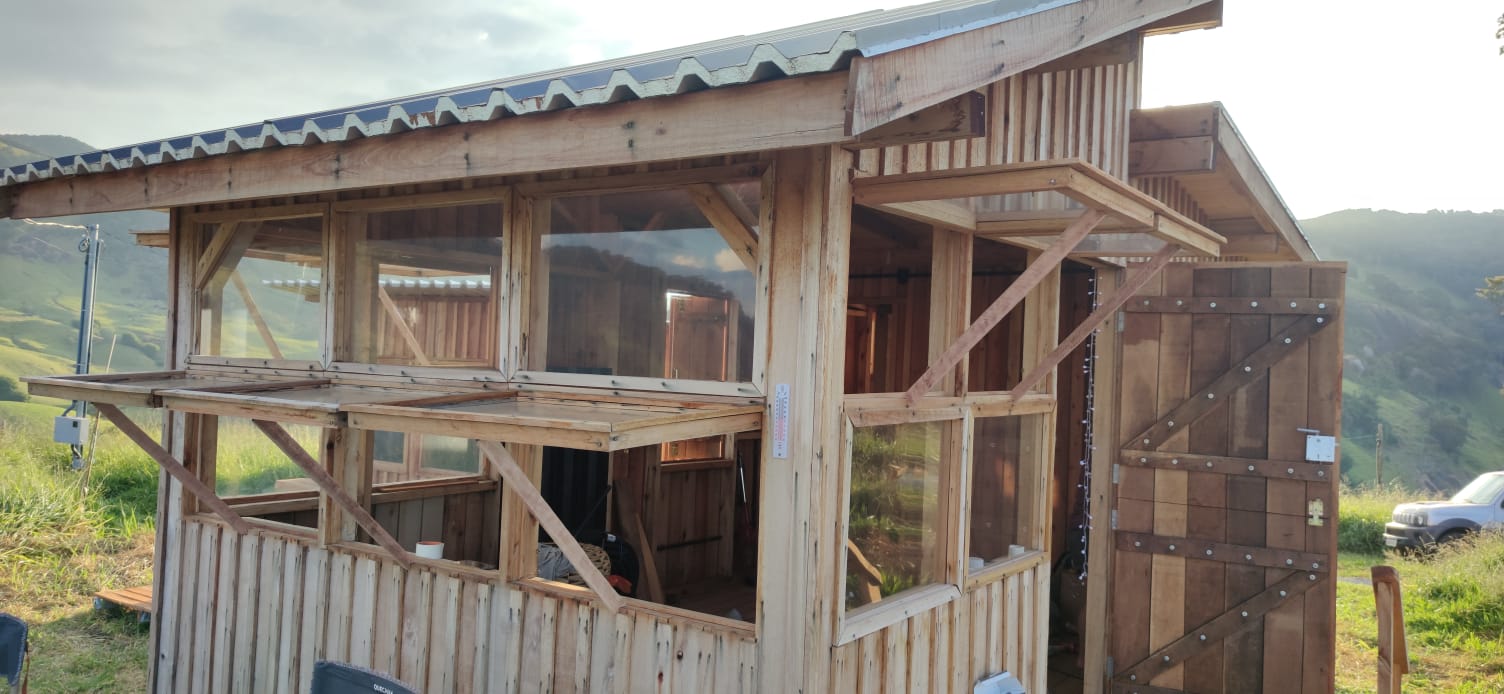
You mentioned you built only half of the original plan. Why did you choose this version, and how did you adapt it?
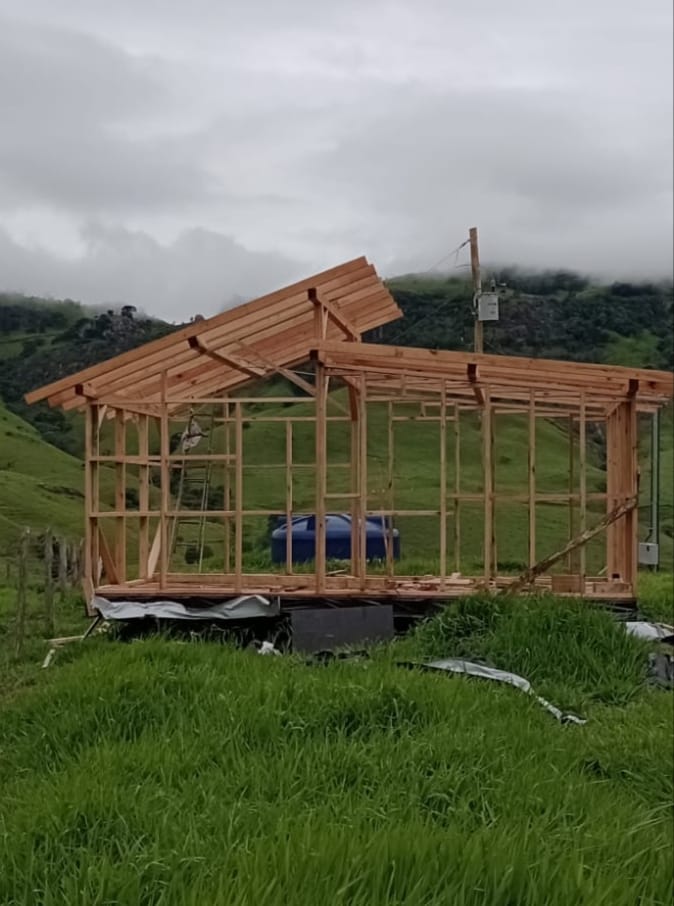
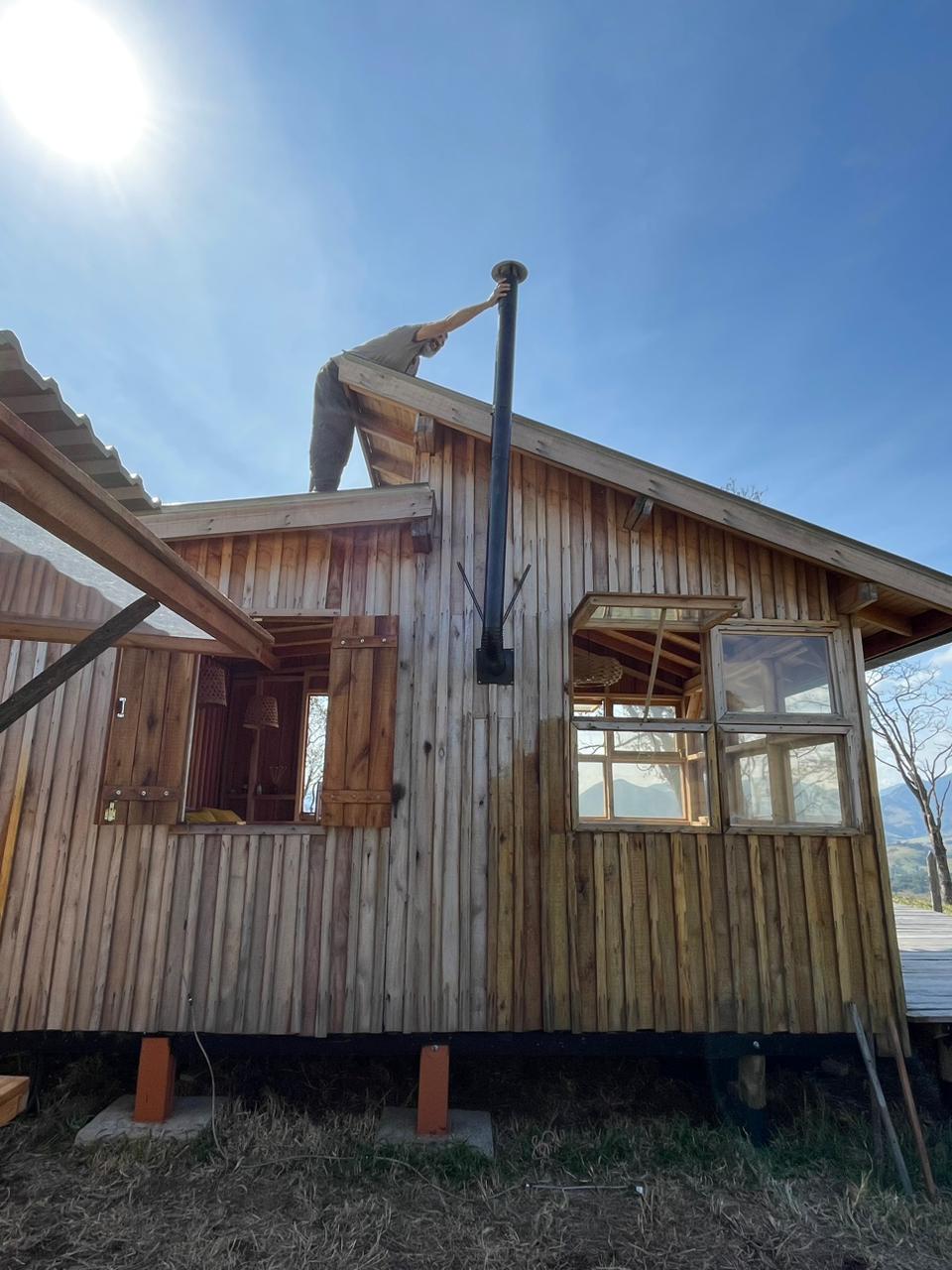
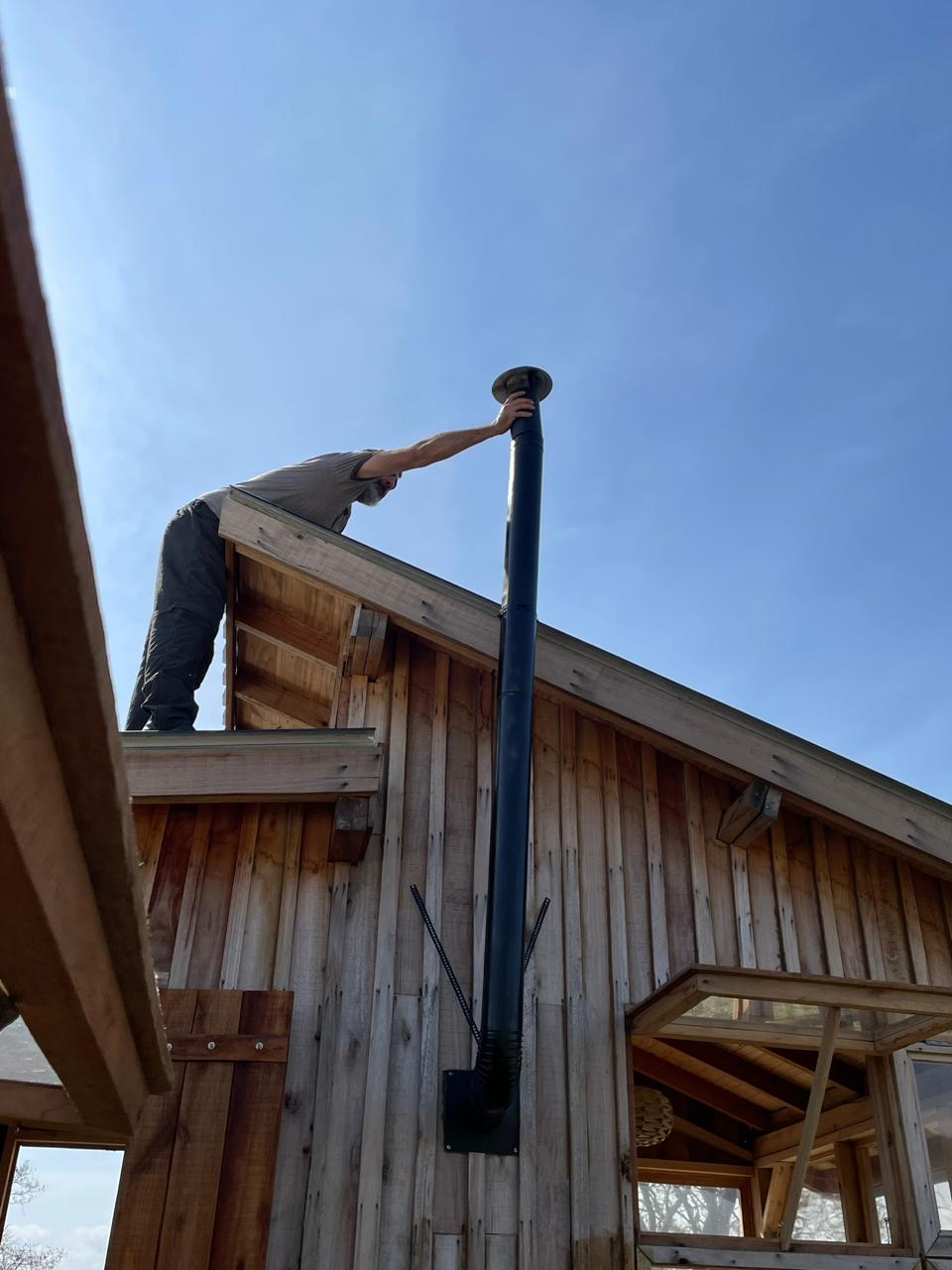
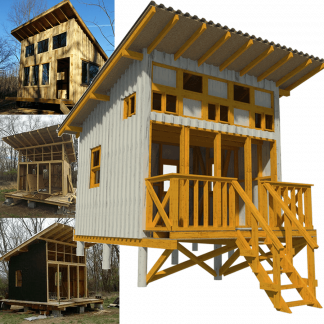
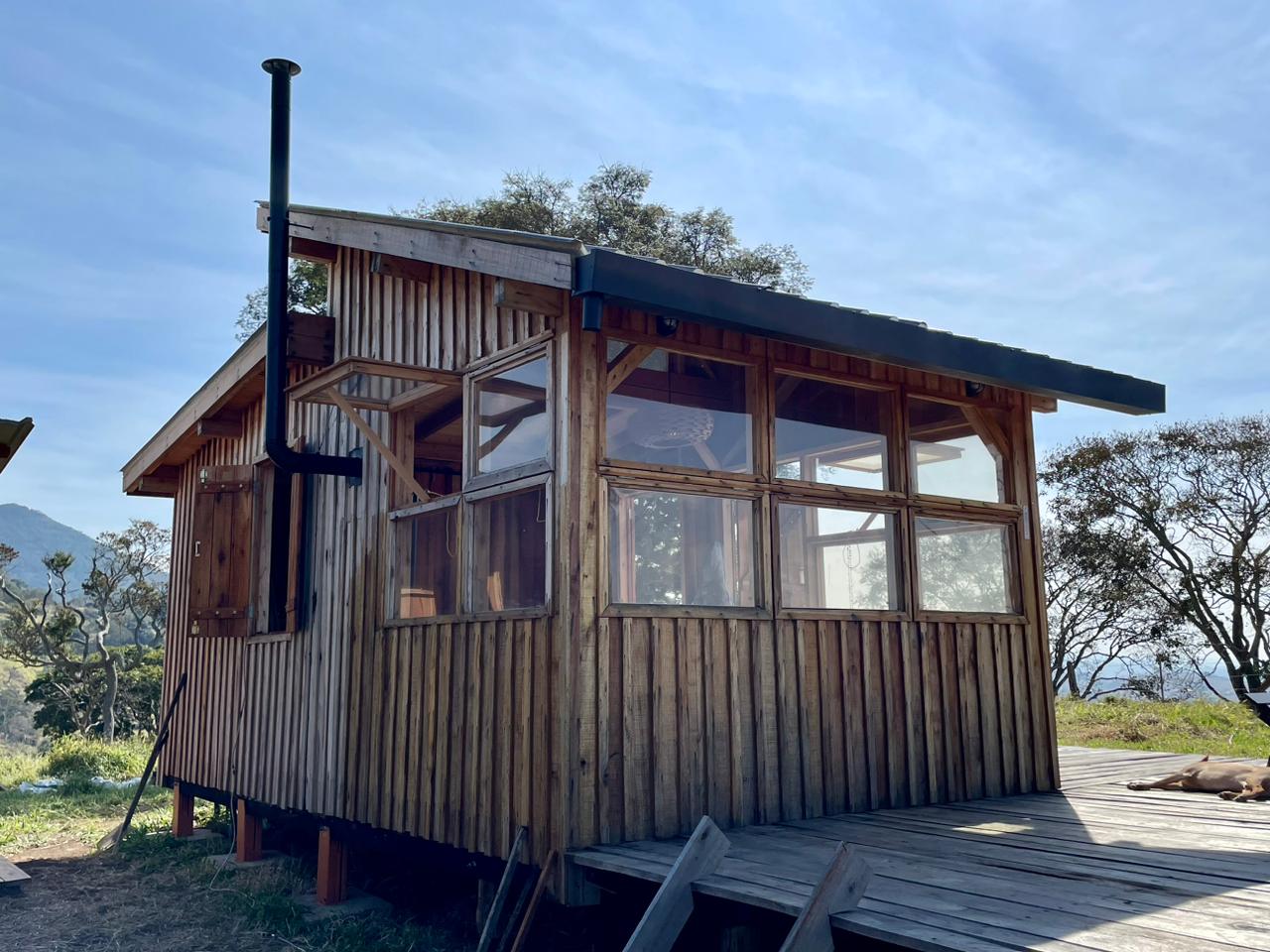
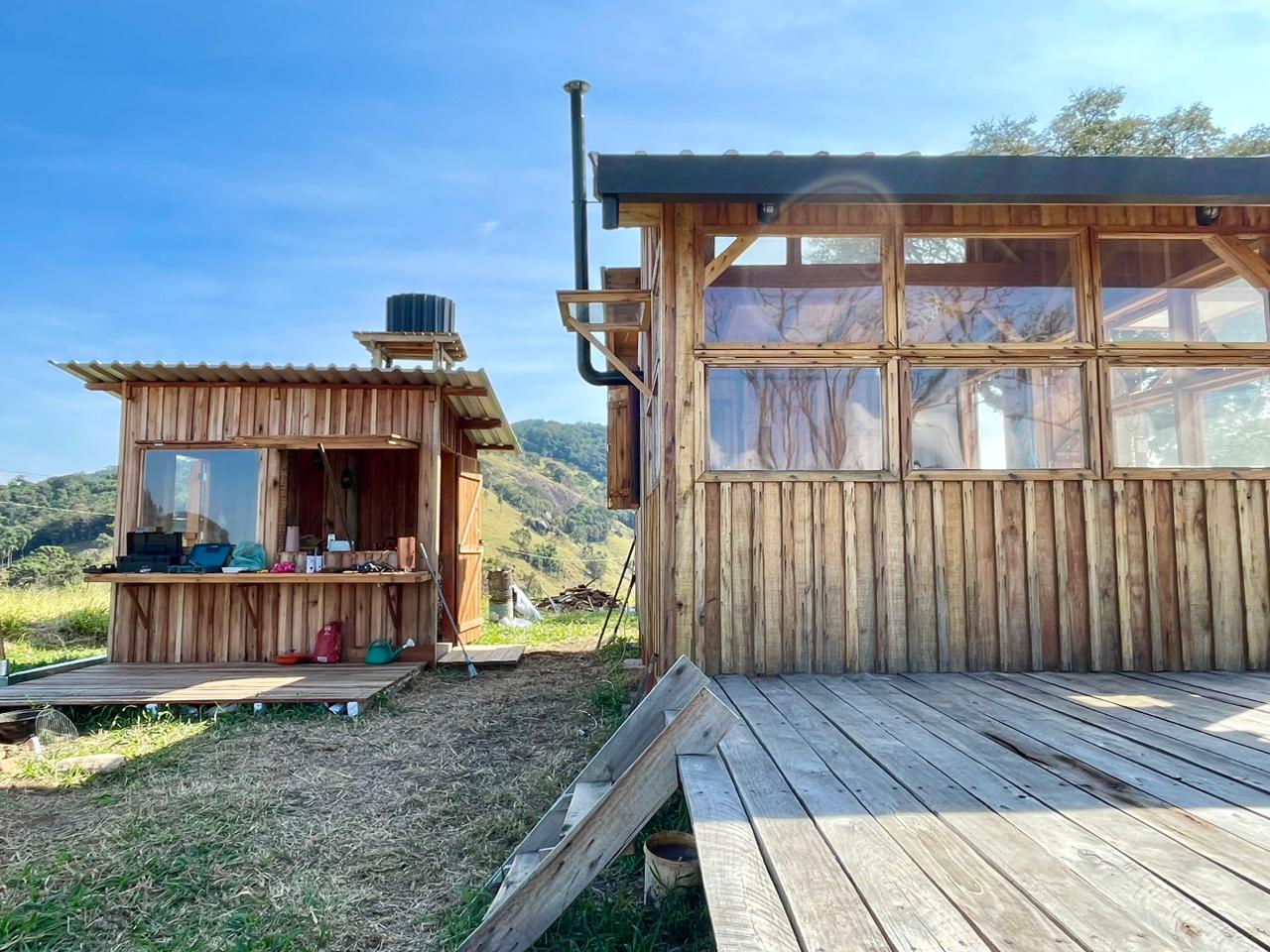
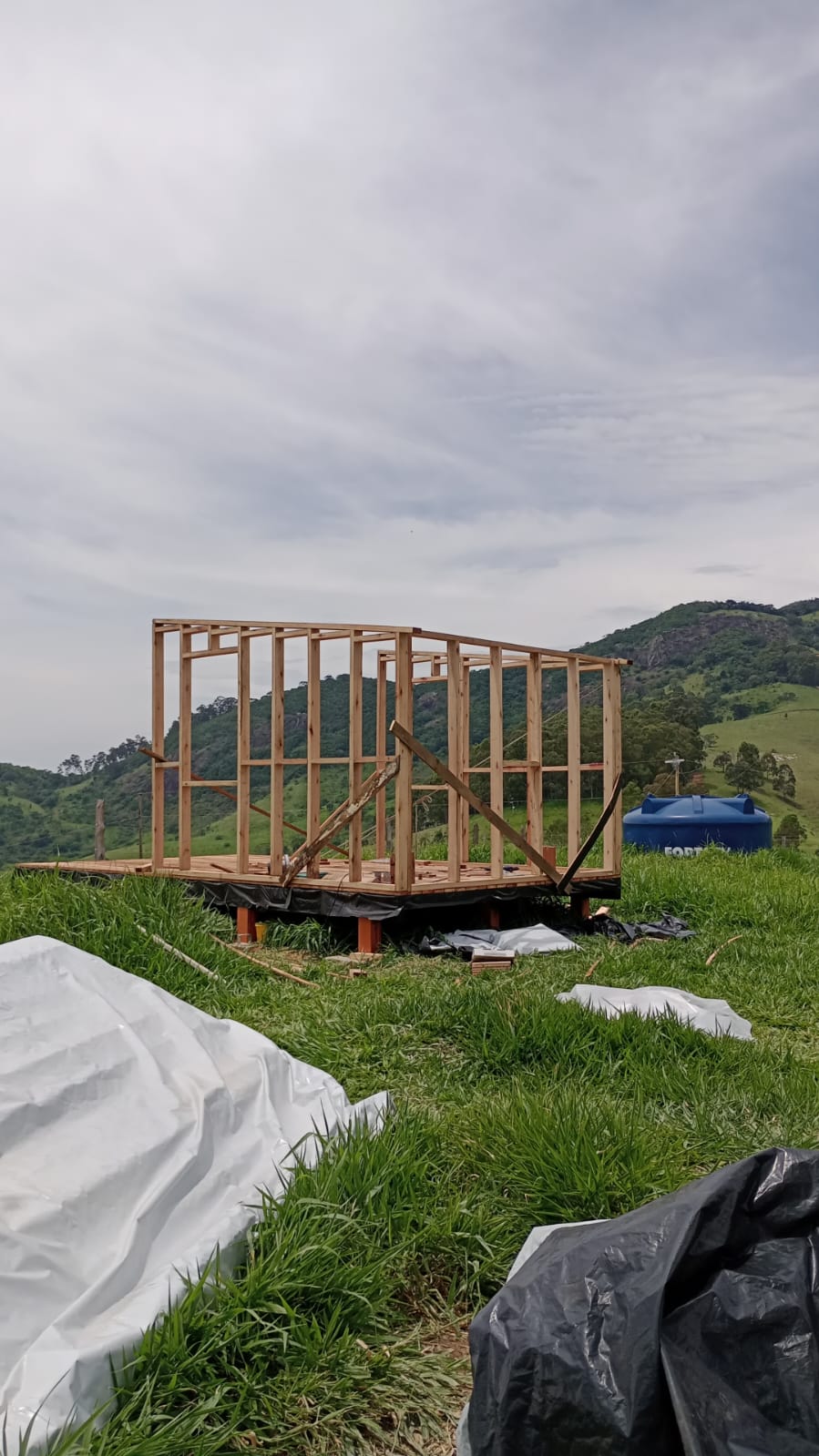
I chose this version because of the space in relation to the size, the simplicity of construction, and the clarity of the plans. Although I significantly altered the foundation, the original structural design was preserved. I decided to build the second section because I wanted an area where I could relax in an armchair facing a wood burning stove. The roof shape was designed to withstand very strong winds.
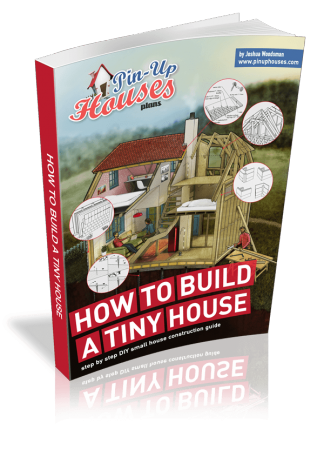
How many people worked with you on the timber frame walls and roof? Did you use any advice from the How to Build a Tiny House book?
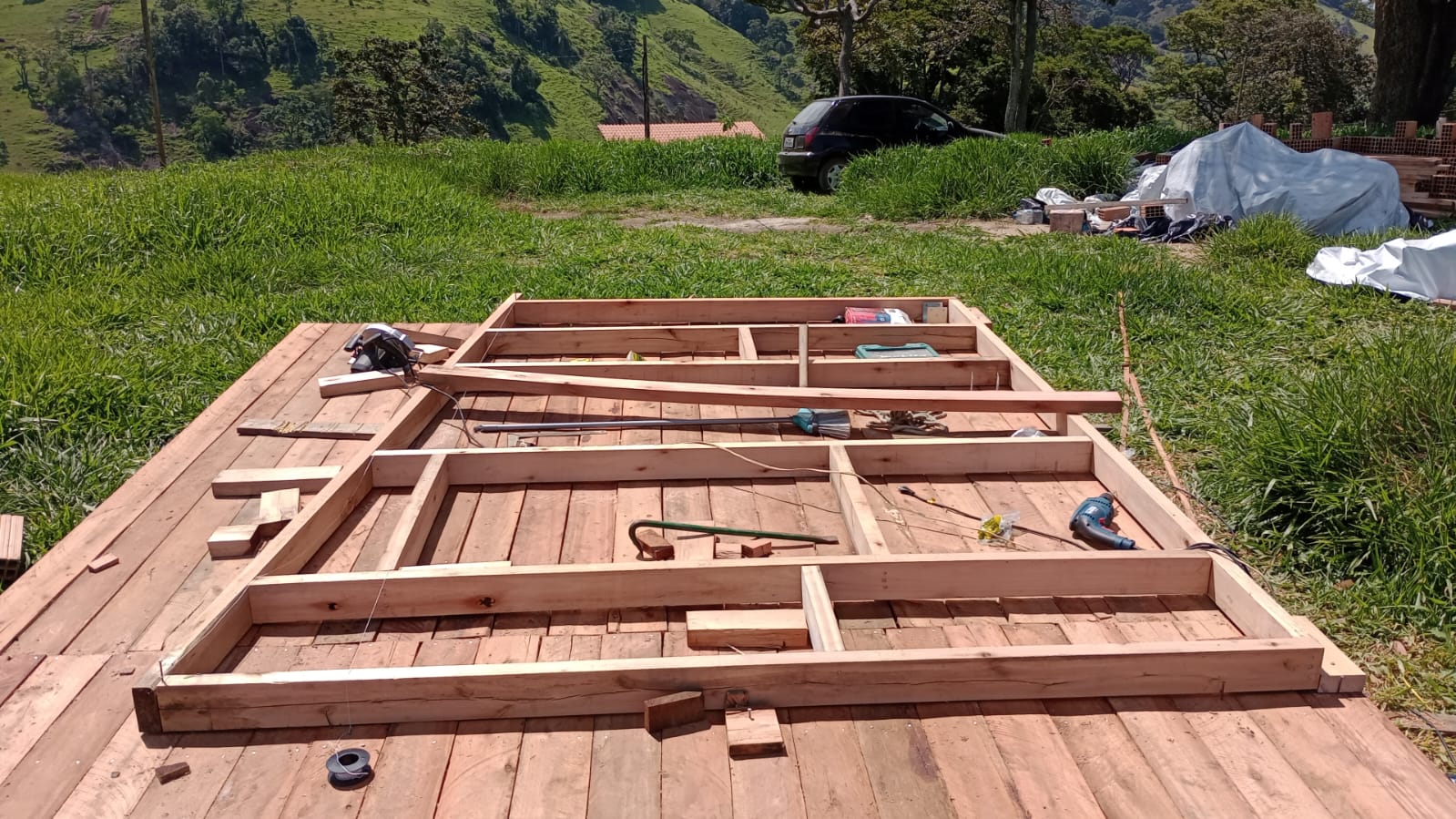
Believe it or not, I built it with my wife, a welding machine, a Japanese hand saw, a hammer, and an electric saw. Yes, I followed some tips, such as attaching the crossbars, first with “L” brackets and then using nails for others.
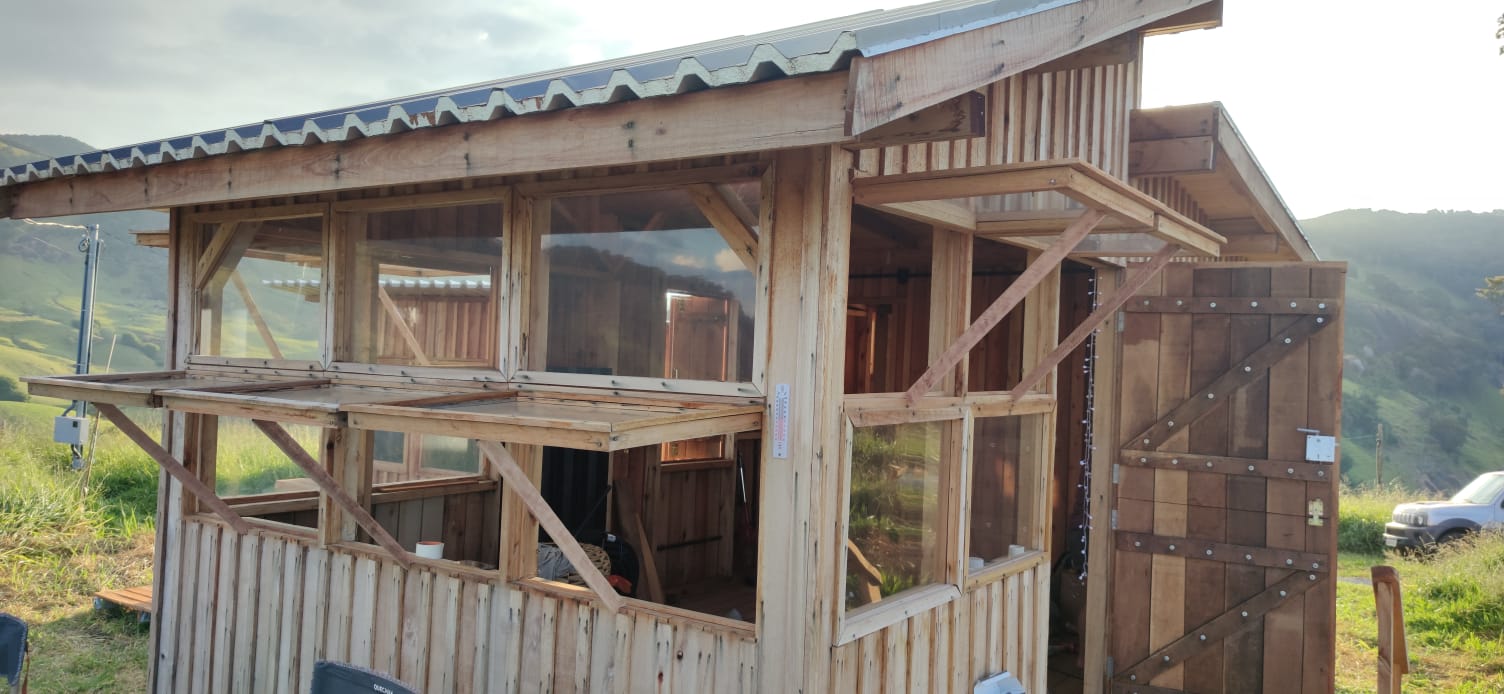
You built the doors and windows yourself in the rustic Brazilian style. What was that process like, and why eucalyptus wood?
It was a relatively simple process; the hard part was fitting the crossbars together, and the wood is hard. I used eucalyptus because of its availability, durability, and cost.
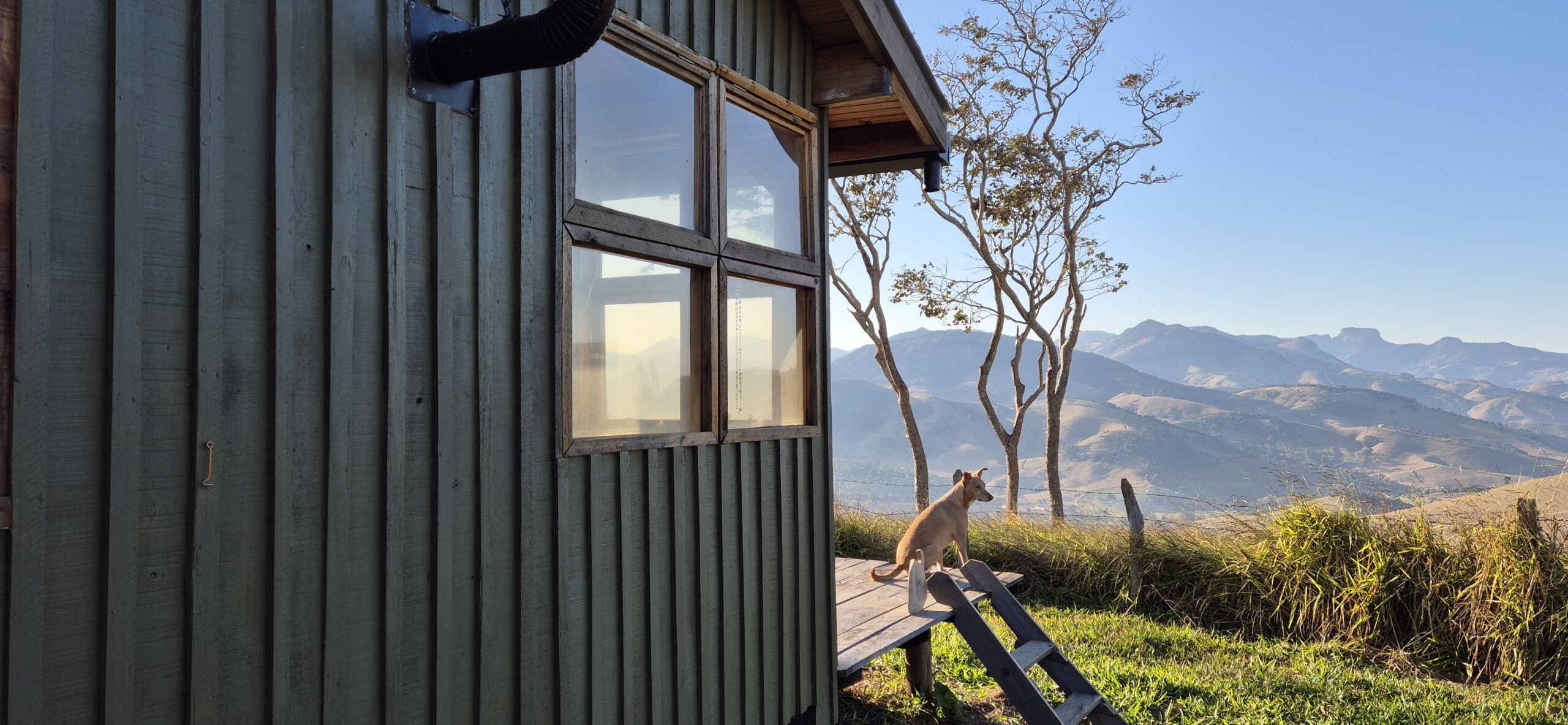
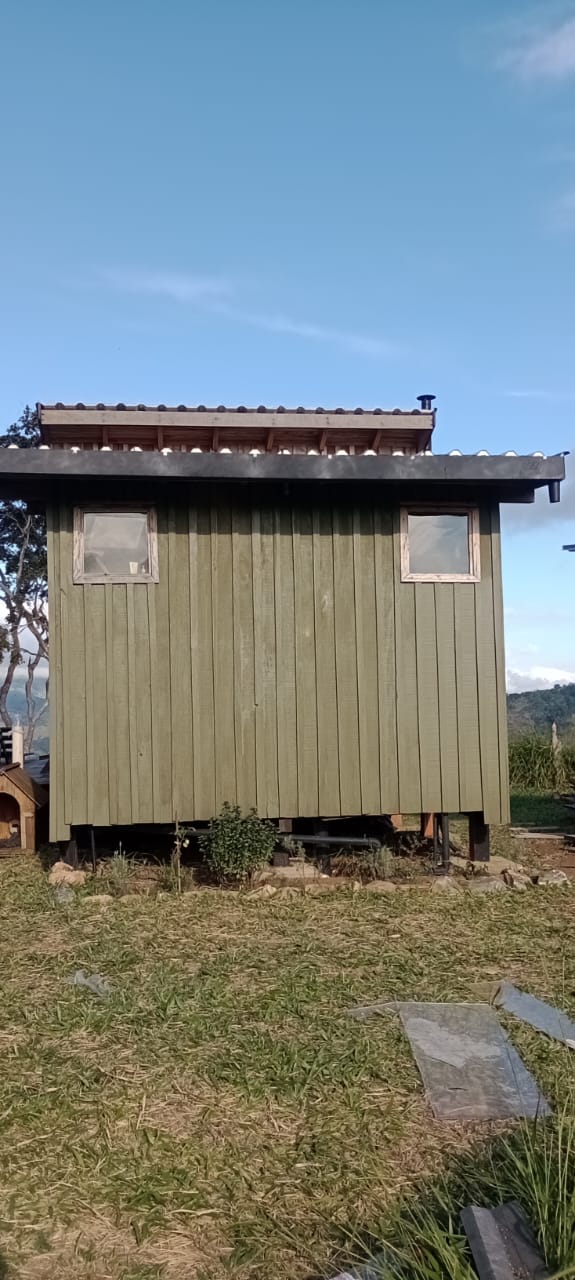
At first the cabin was natural wood, now it’s painted green. Why this choice, and how does it change the look?
Yes, it was original wood, but the sun had taken on an uneven, silvery tone that I didn’t like. I chose the “dry grass” color to address the aesthetics (which I found very pretty), protect the wood, and reduce water ingress during windy rains (it reduced the problem, but didn’t solve it).
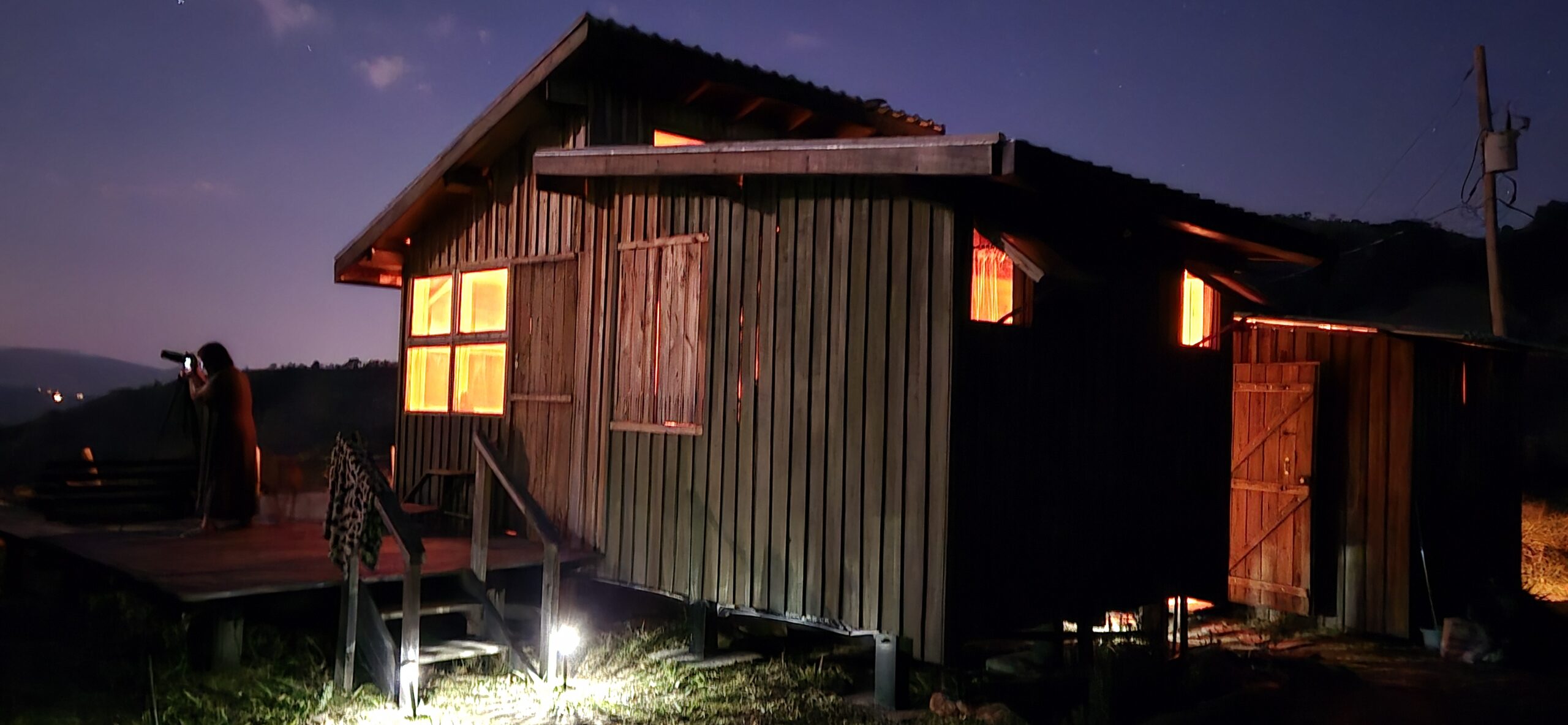
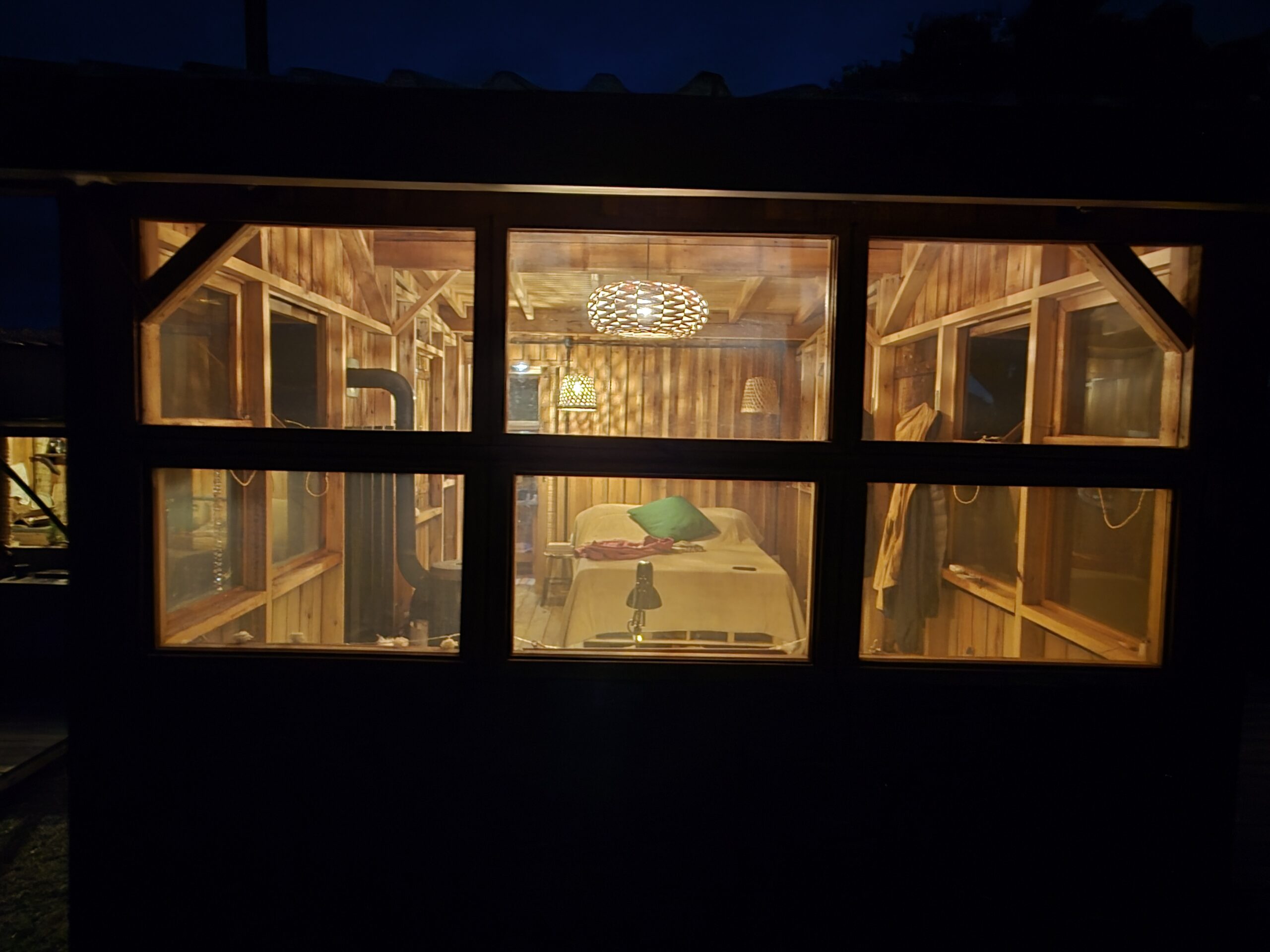
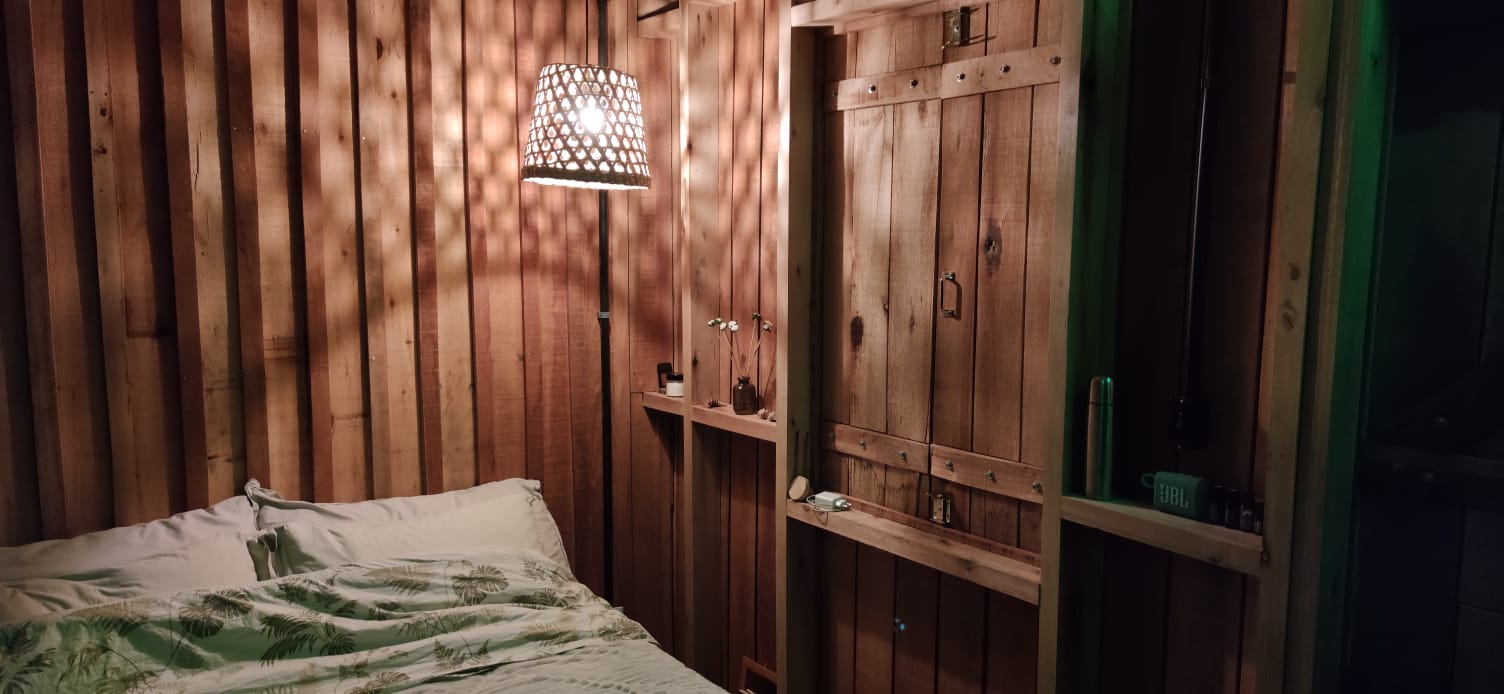
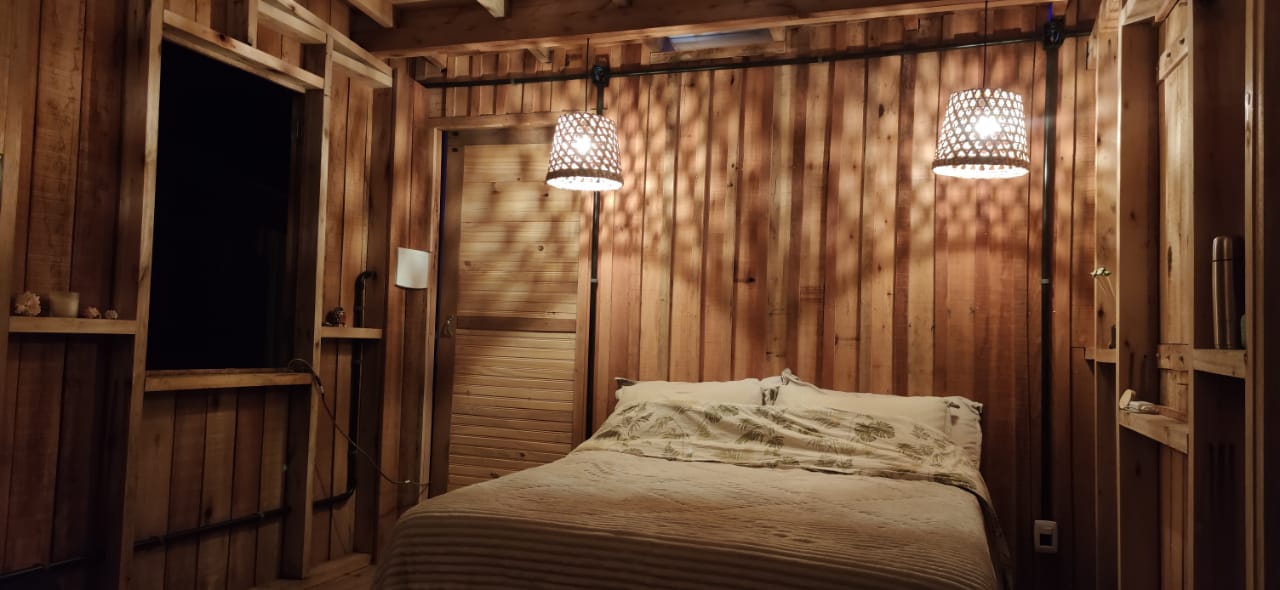
The interior feels warm and cozy with wooden walls and soft lights. What inspired your design – and how do the local climate conditions affect the fact that you didn’t use wall insulation?
Indeed, it turned out extremely cozy. I’ve always had a penchant for minimalist and rustic spaces. I thought that adding a ceiling, besides losing the sense of space, leaving the wood visible allows it to dry better in case of water ingress, preventing mold. In my area, the temperature ranges from 30°C to -3°C year-round. The cabin has 13 windows that open (yes), and the heater keeps up in the winter, which averages 12 to 10°C.
How well does the wood stove heat the cabin? Is it comfortable in colder mountain days?
Yes, it heats very well. The cabin has a fair thermal inertia, but enough to warm up to sleep with the last batch of firewood in the heater. A simple electric heater will also do the trick. Overall, it’s quite comfortable in both winter and summer.
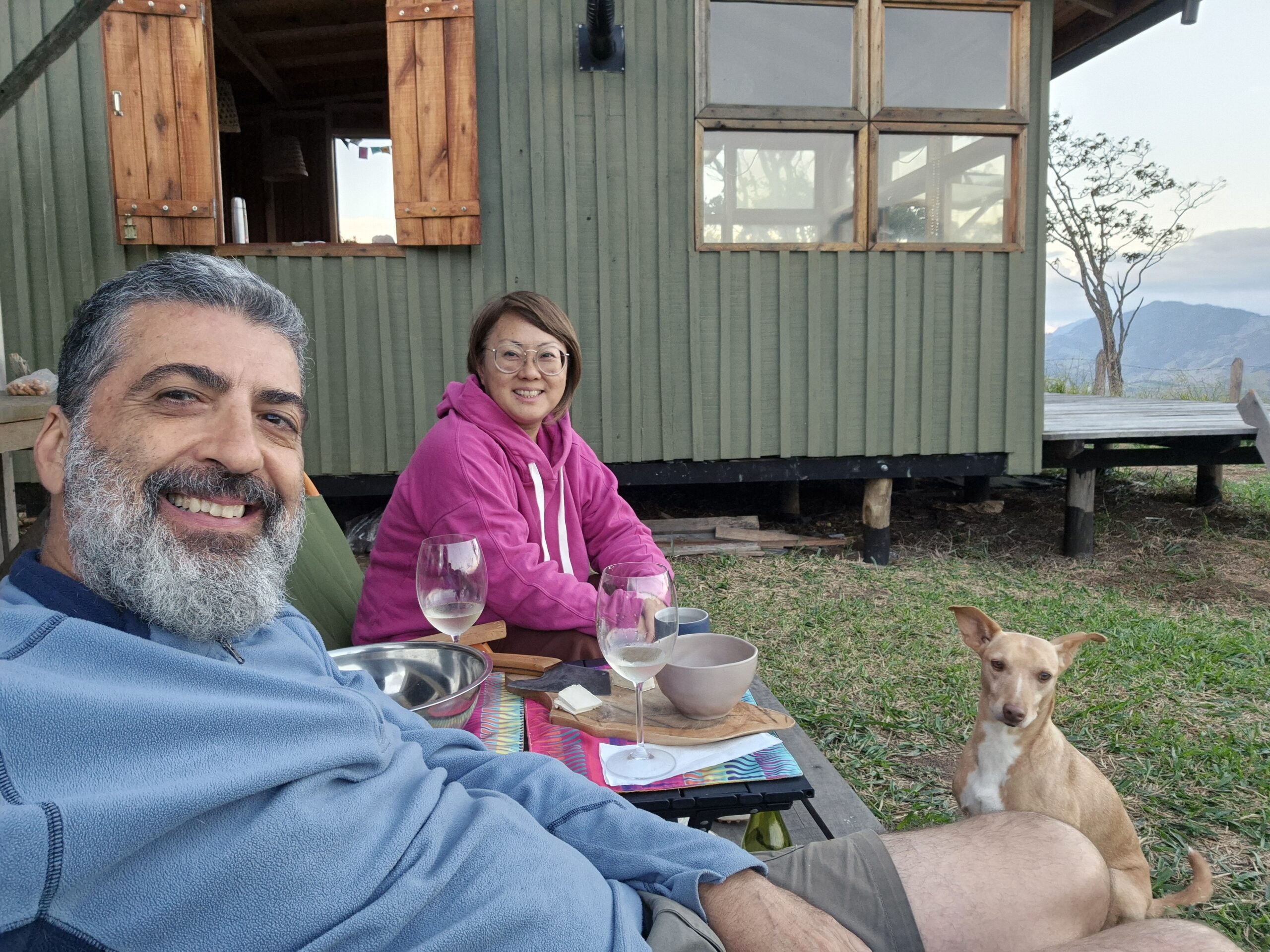
The veranda looks like a special place to relax with friends, wine, and your dog. How do you use this outdoor space?
Yes, the deck has become a very pleasant place, and we use it to admire the stars at night, seated in comfortable beach chairs or some Felton commercial outdoor furniture. Sometimes we bring out the folding table to dine on the deck.
You plan to rent the cabin on Airbnb. What kind of experience do you want your guests to have?
Yes, I intend to. I noticed it’s the only 100% wooden cabin in the region. The experience will be a minimalist and rustic one in a simple cabin, with plenty of charm and comfort, in the best Danish “Hygge” style.
Looking back – what was the hardest part of the build, and what gave you the most joy?
The front roof was challenging because of the slope. The foundation was a lot of fun. The closing was a bit tedious, although seeing the cabin take shape is really cool. The greatest joy was the first night we slept in it, realizing we’d achieved our goal and made this dream come true.