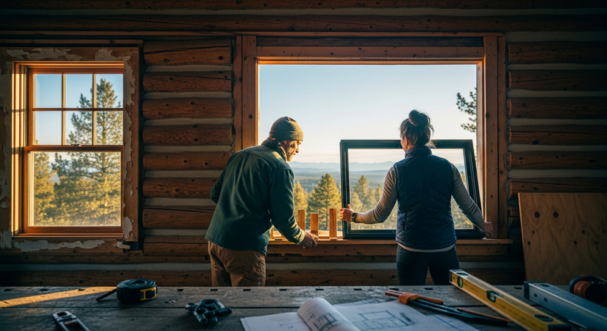
Owning a rustic cabin offers a peaceful retreat from modern life, but that romance fades quickly when winter drafts rattle the panes and energy costs soar. As we move through 2026,home design trends are heavily prioritizing smart, energy-efficient upgrades over purely aesthetic changes. Upgrading your cabin window replacement strategy ensures your sanctuary remains comfortable year-round without draining your wallet.
Identifying the true source of your heating bills requires understanding how older structures handle extreme temperatures. Poorly insulated, aging windowsaccount for 10% to 15% of a home’s heat loss across standard residential builds. In older, remote structures, these outdateddoors and windows can mean up to 25% of total heat loss.
Taking on this structural project places you within a growing movement of property owners looking to maximize existing spaces. Recent data shows that52% of UK homeowners have recently renovated or plan to do so in the next year, signaling a massive shift toward upgrading rather than building new. Before removing any structural framing or altering your cabin’s thermal envelope, it’s crucial to check your local building codes and permitting requirements. Upgrades must often comply with regional energy standards, such asCalifornia’s strict 2026 building efficiency codes or Vermont’s cold-climate insulation mandates.
Sizing Up the Situation: Measuring Non-Standard Rough Openings
Retrofitting older cabins introduces a frustrating reality for the DIY builder, as historical framing is rarely plumb, level, or perfectly square. Refurbished properties produce half the emissions of building a new home, making accurate retrofits highly valuable for eco-conscious owners. Unlike new construction, decades of natural settling create non-standard rough openings that demand precise, customized measurements.
The Critical Tolerance of Older Framing
Relying on expanding foam to fill massive gaps caused by poor measurements severely compromises the unit’s thermal performance. Asadvanced glazing and improved seals become standard in 2026, these technologies only function optimally when the frame fits tightly against the structural studs. Accurate sizing is key to the success of your entire DIY window retrofit, preventing moisture intrusion and air leaks.
Taking the time to measure correctly minimizes structural waste and prevents expensive re-ordering delays.Around 37% of global carbon emissions come from buildings and construction, and precise installation practices directly reduce the unnecessary disposal of mismeasured building materials.
- Expose the Framing: Remove the interior casing and trim to reveal the actual rough opening (the original wood studs), rather than measuring the existing window sash.
- Measure the Width: Take three horizontal measurements inside the rough opening—at the top, middle, and bottom. Record the smallest of the three dimensions.
- Measure the Height: Take three vertical measurements—at the far left, the center, and the far right. Again, use the smallest measurement.
- Check for Square: Measure diagonally from the top left corner to the bottom right, and then from the top right to the bottom left. If the measurements differ by more than a quarter inch, the opening is out of square and will require shimming during installation.
Battling the Elements: Energy Efficiency for Remote Locations
Remote cabins face extreme weather, making the selection of proper glass and gas fills a top priority. Experts warn that low-quality windows are a significant liability, leaking heat during winter and inviting extreme solar gain in the summer. Custom-manufactured units utilizinglow-E (low-emissivity) coatings and argon gas fills drastically reduce heat gain while maintaining natural light.
High-Performance Glazing and Gases
The financial impact of selecting appropriate glazing technology cannot be overstated for off-grid or remote properties. Upgrading toENERGY STAR® certified windows can reduce a home’s energy bills by up to 13% on average, securing long-term operational savings. Natural Resources Canada notes that these certified units are roughly 20% more energy-efficient than average builder-grade options.
In extreme northern climates or high-altitude environments, maximizing thermal resistance involves increasing the number of protective layers in a building. Transitioning to triple-pane windows increases the overall R-value of the building envelope compared to standard double-pane configurations.
These high-performance systems are designed to minimize the impact of severe exterior wind speeds and low temperatures. By providing a more robust thermal barrier, they help stabilize the interior microclimate and reduce mechanical load on heating systems.
When sourcing materials for a remote cabin, prioritizing manufacturers who engineer products specifically for harsh, fluctuating climates is critical. For example, Canadian-made solutions from providers like Clera Windows + Doors represent the gold standard in weather resistance. Their frames are made from 100% pure virgin uPVC, which prevents fading, cracking, and warping often seen in cheaper materials exposed to intense alpine UV rays or freezing temperatures.The industry is rapidly shifting away from raw materials that degrade over time, making high-grade uPVC a permanent structural solution.
Finding the right replacement windows and doors means looking beyond just the glass. Clera features wet-glazed frames and triple-fin weatherstripping with built-in anti-microbial properties, creating an impenetrable seal against wind-driven rain and preventing mold growth in humid, off-grid environments. By addressing these critical sealing details, homeowners can significantly reduce air leakage through windows and prolong their HVAC unit’s lifespan.
Furthermore, DIYers retrofitting their forever cabins should demand strong warranties. Investing in high-performance units backed by a non-prorated lifetime warranty ensures the structural integrity and thermal performance of your cabin’s envelope will withstand decades of brutal winters without requiring a second costly retrofit. A global study by ABB confirms this operational necessity, finding that67% of companies are deploying digital energy-management tools to combat volatile utility costs, a financial principle that applies directly to managing an off-grid residential property.
Rustic Aesthetics vs. Modern Performance: Choosing Frame Materials
Balancing a cabin’s traditional appearance with modern weatherproofing requirements involves both aesthetic and functional considerations. The selection of frame material significantly influences the structure’s visual character, thermal resistance, and long-term durability.
While high-performance vinyl or fiberglass frames may require a larger initial investment, they often contribute to a higher market valuation for the property. Homeowners who prioritize these durable materials typically see a substantial portion of the project cost reflected in the home’s resale value, reflecting the market’s preference for energy-efficient upgrades.
Analyzing Your Material Options
Assessing your specific regional climate helps narrow down which framing material will best protect your interior spaces.A 2024 Canadian Home Builders’ Association review found that energy-efficient windows have been one of the top 10 features desired by home buyers for five consecutive years. This data proves that exceptional performance usually outweighs strict historical accuracy for modern property owners.
Modern manufacturing also allows homeowners to achieve substantial visual upgrades alongside thermal improvements.High-performance glazing technology has significantly improved insulation, allowing builders to install much larger picture windows without sacrificing the cabin’s thermal envelope. The following breakdown compares the most viable framing options for your off-grid retreat.
| Frame Material | Aesthetic Match | Pros | Cons | Ideal Cabin Environment |
| Wood | Excellent (Traditional) | High insulation value; can be painted or stained to match logs. | Requires heavy maintenance; susceptible to rot and swelling in damp climates. | Dry, mild climates where aesthetic authenticity is the absolute priority. |
| Vinyl (uPVC) | Moderate (Modern) | Virtually maintenance-free; excellent moisture resistance; highly affordable. | Cannot be easily painted; extreme heat can cause minor warping in low-grade options. | Areas with heavy rain, snow, or high humidity; budget-conscious retrofits. |
| Fiberglass | High (Versatile) | Exceptional strength; expands/contracts at the same rate as glass; paintable. | The most expensive option; can be difficult to source for remote deliveries. | Extreme temperature zones (high alpine or desert) requiring maximum durability. |
Securing Your Cabin’s Thermal Envelope
Undertaking a comprehensive window replacement ranks among the most structurally impactful projects a DIY builder can execute. Lowering energy bills through smart window installations guarantees long-term financial relief and unmatched interior comfort. The combination of meticulous measurements, high-performance glazing, and durable framing transforms a drafty seasonal shack into a highly efficient year-round retreat.
Protecting your building’s perimeter requires attention to every exterior opening. For complete instructions on sealing your entire structural layout, consult our Exterior Door Construction and Installation Guide to ensure your property is fully weatherproofed. A completely sealed exterior ensures your hard work withstands the harshest weather conditions imaginable.