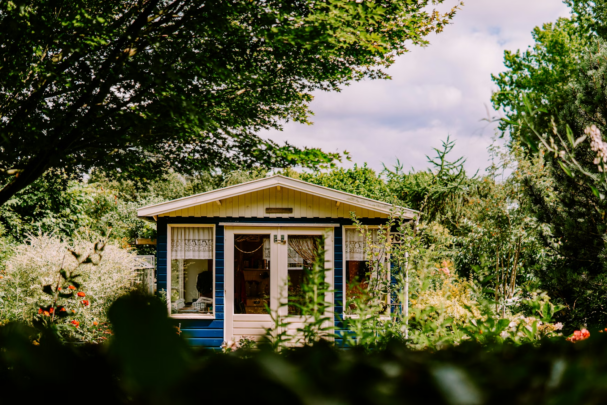
Seattle homeowners exploring ways to add living space face an important decision: should they build a detached accessory dwelling unit in the backyard or create an attached unit within their existing home? Both options offer compelling benefits but suit different properties, budgets, and goals. For property owners navigating these choices, consulting with an experienced DADU contractor Seattle trusts, like the DADU Pro serving the Greater Seattle Area, helps clarify which approach makes sense.
The distinction between these two types of accessory dwelling units shapes everything from construction costs and timelines to privacy levels and long-term property value. Understanding the practical differences helps homeowners make informed decisions aligned with their specific circumstances.
H2 – Understanding the Basics
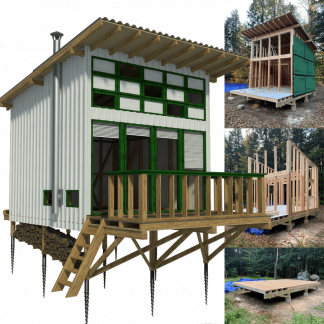
A Detached Accessory Dwelling Unit (DADU) stands as a separate structure on the property—often called a backyard cottage or granny flat. These units function as completely independent living spaces with their own entrance, utilities, and often their own outdoor area. DADUs can be new construction built from the ground up or conversions of existing structures like garages.
An Attached Accessory Dwelling Unit (AADU) exists within or directly connected to the primary residence. This includes basement apartments, converted garages that share walls with the main house, above-garage units, or additions built onto the existing structure. AADUs share at least one wall with the main house and often share utility systems, though they maintain separate living quarters.
H2 – Comparing Costs and Construction
H3 – DADU Investment Requirements
Detached units generally cost more to build. New DADU construction in Seattle typically runs $250,000-$450,000 depending on size and finishes. This reflects separate foundations, complete roof systems, and standalone utility connections. Garage conversions offer more affordable entry at $150,000-$300,000, though costs escalate if existing structures need foundation work or roof modifications.
H3 – AADU Cost Advantages
Attached units leverage existing structure, reducing costs substantially. Basement conversions typically cost $100,000-$200,000, taking advantage of existing foundation and roof elements. New additions run $150,000-$300,000—less than comparable detached construction because they share walls and roof structures. Utility connections prove simpler and cheaper. Rather than running new service across the yard, AADUs tap into existing systems with shorter runs and less excavation, often saving $20,000-$40,000 compared to detached alternatives.
H2 – Privacy and Independence Considerations
Detached units offer maximum privacy with separate structures, different entrances, and no shared walls transmitting sound. This separation works particularly well for rental situations where landlords and tenants value clear boundaries, or for multigenerational families where adult children or aging parents need their own space. Physical distance allows residents to maintain different schedules without disturbing each other—late-night activities or early morning routines become non-issues.
Attached units mean closer contact between households. Shared walls require better soundproofing to maintain privacy, and entrances may be closer together. However, this proximity benefits families wanting easy connection—elderly parents needing frequent assistance or grandparents providing childcare appreciate not walking across the yard in Seattle’s rain. The right choice depends on who will occupy the unit and how much interaction the property owner desires.
H2 – Property Impact and Aesthetics
Detached units consume backyard space. Seattle allows DADUs up to 1,000 square feet, which may leave little usable yard on smaller lots. However, thoughtful design integrates DADUs attractively and can enhance property appeal.
Attached units preserve more yard space, making them preferable where outdoor area matters. Basement conversions change the exterior minimally. From the street, attached units appear less dramatic, appealing to homeowners concerned about neighborhood aesthetics.
H2 – Rental Income and Resale Considerations
Both unit types generate similar rental income—Seattle rents typically range $1,500-$2,500 monthly. Detached units sometimes command slight premiums due to increased privacy. Resale impact varies by buyer preferences, with DADUs’ complete separation appealing more to buyers planning rental use.
H2 – Making the Right Choice
Choose a DADU when:
- The property has adequate yard space to accommodate a separate structure while maintaining outdoor areas
- Maximum privacy between units is the top priority
- The intended use is long-term rental to unrelated tenants
- Local lot configuration and setbacks allow favorable detached unit placement
- Budget accommodates the higher construction costs of standalone buildings
- The property owner wants units to function completely independently
Choose an AADU when:
- Budget constraints make lower-cost construction essential
- Preserving maximum yard space is important
- The unit will house family members who benefit from closer connection
- Existing spaces like basements or garages present conversion opportunities
- The property has limited buildable area making detached construction impractical
- Neighborhood aesthetics favor less visible additions
H2 – Regulatory Considerations for Seattle
Seattle’s 2025 regulations eliminated owner-occupancy requirements for both unit types. The city now permits two ADUs per lot—either two AADUs, two DADUs, or one of each. Height limits increased to 32 feet in Neighborhood Residential zones. No parking spaces are required for either unit type in most zones.
H2 – Final Considerations
The choice between detached and attached accessory dwelling units depends on property characteristics, budget, intended use, and preferences regarding privacy. Neither option is universally superior—each serves different situations effectively.
Homeowners benefit from consulting with experienced contractors who can assess their property’s potential for either configuration. Whether detached or attached, adding an accessory dwelling unit increases housing options, potentially generates income, and maximizes property value in Seattle’s competitive real estate market.