The Beauty of Small Decks
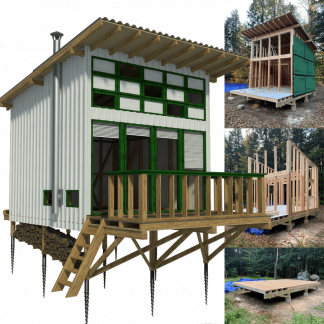
A small deck can significantly improve how a space functions and feels. Whether it’s connected to a tiny home, backyard office, or cabin, it provides a clean transition between indoors and outdoors. It also extends usable space, offering a spot to sit, store gear, or enjoy the surroundings without requiring much material or labor.
For DIY builders, a deck often completes the project. It provides a stable foundation, offers a level surface, and enhances daily routines, such as enjoying morning coffee, storing firewood, or removing muddy boots.
Though compact, a deck must handle constant exposure to weather. Moisture, sunlight, and repeated use can wear it down. That’s why designing for durability is as important as getting the look and dimensions right.
Planning for Longevity in a Compact Space
Small decks face the same challenges as larger ones. Moisture management, structural load, and airflow must be addressed regardless of size.
The foundation is a key starting point. Decks built directly on soil or in damp areas tend to deteriorate quickly. Raising the frame on piers or footings improves airflow and reduces moisture buildup. Grading and proper drainage help avoid pooling, which can damage wood and fasteners.
Builders experienced with outdoor structures often emphasize planning for environmental stress. Companies like Crafted Decks focus on strategies that account for climate, soil conditions, and long-term wear—principles that apply to projects of any size.
Planning also involves understanding how the deck will be used. Whether it supports furniture, a grill, or functions as an entry point, usage affects load requirements. Slightly oversizing beams or joists improves stability and extends the deck’s lifespan.
Material Matters: Choosing the Right Lumber and Fasteners
Deck durability starts with smart material selection. Even a small deck benefits from the same thoughtful choices as a larger one.
Pressure-treated wood is widely used for framing and decking. It’s budget-friendly and resistant to rot and pests. Boards rated for ground contact offer extra protection in damp areas.
For decking surfaces, cedar and redwood are attractive, naturally resistant options, though they cost more.
Composite decking offers durability with minimal upkeep. It resists warping and fading but is heavier, so the frame must support the additional weight.
Fasteners are critical. Interior-grade screws corrode quickly outdoors. Galvanized or stainless steel fasteners are better suited to weather exposure. Products that meet ACQ-compatible fastener standards are especially important when used with modern treated lumber, which can accelerate corrosion in standard metal.
Material choices may not be visible once the deck is finished, but they determine how well it holds up over time.
Smart Structural Design for DIY Builds
Good structure supports comfort, safety, and long-term function. For DIYers, choosing the right layout and reinforcing it properly makes a noticeable difference.
Freestanding decks are often simpler to build and don’t require modifying walls or siding. Attached decks may need fewer footings but require proper flashing and connection to prevent water intrusion.
Joist spacing should match the decking material. Closer spacing, such as 12 inches on center, adds stiffness and is helpful when using thinner or lighter boards. Oversized beams help prevent sagging, especially in areas with snow or heavy use.
Diagonal bracing is another worthwhile addition. It helps resist lateral movement and keeps the structure square, especially for taller decks or those on sloped ground.
When a deck supports a cabin or tiny house, it should be built with the same care as the structure itself. Resources like this checklist for maintaining drainage systems around cabins can help DIY builders avoid moisture problems that affect both the home and the deck.
A solid frame and proper layout create a deck that feels secure and lasts longer with less maintenance.
Railings, Stairs & Weatherproofing
Finishing elements help complete the deck and extend its life. Railings improve safety and are often required if the deck is above a certain height. Slim, modern designs preserve views and avoid visual bulk in small spaces.
Stairs should be proportioned to the deck height and expected foot traffic. Wider treads or an extra step can make access safer and more comfortable.
Protective finishes help maintain the deck’s condition. A quality sealer or stain prevents moisture absorption, limits UV damage, and minimizes seasonal expansion and contraction. This is especially important for decks attached to buildings that may sit idle for long periods.
Well-executed details, such as railings, stairs, and protective coatings, give a small deck a polished feel and reduce upkeep over time.
Small Decks, Big Payoff
A small deck doesn’t take much to build, but it does benefit from careful decisions during planning and construction. Whether it’s part of a tiny house or a backyard project, success depends on using the right materials, meeting structural requirements, and protecting the build from the weather.
By focusing on the basics—foundation, framing, materials, and finish—DIY builders can create a deck that looks great and performs well for years. With thoughtful execution, even the simplest platform becomes a valuable, enjoyable part of everyday living.