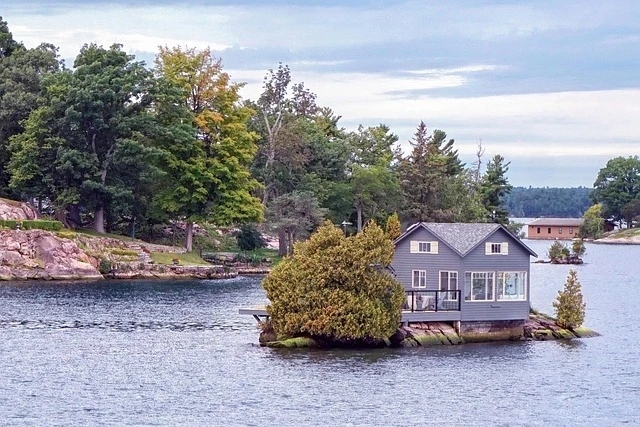
Tiny houses are honest.
If there is an interior design flaw, you feel it every single day.
Usually before coffee.
When you work with tiny homes as much as I did, whether it’s to review one, dive into the comment sections or spend time with builders, which often turns therapeutic, there is a pattern that you notice.
Many people regret going small. They regret specific interior choices. Choices that look fine on paper.
Or Pinterest.
Or Instagram using Clideo to edit a perfect video.
If you want to go small but avoid mistakes, this article is for you.
No trends. No “authentic vibes”. Only stuff that works.
Tiny Living Is About Getting Things Back, Not Giving Them Up
People don’t downsize because they want less comfort. They want less friction.
Less cleaning.
Less maintenance.
Lower their yearly bills.
That’s not romantic minimalism. That’s practical living.
Our lives are becoming more and more expensive each year, and it seems the only way people can afford full-sized homes is either by inheritance or selling their souls. In this climate tiny homes have become a sensible and real alternative. There is even a tiny house women’s community in Texas, which sounds amazing.
However tiny house lifestyle only works if the interior is designed right. Otherwise, small turns to stressful fast.
Layout First. Always! No Exceptions
If you take away one thing from this article, let it be this:
LAYOUT BEATS FURNITURE. EVERY TIME!
Flow is the most common regret people express when going from a normal to tiny home.
This one real example of a couple that moved into a tiny home really stuck with me. In the pictures you see the smart storage, the beautiful woodwork. But the bathroom was right between the living area and the kitchen. On the blueprint it made sense.
In reality, it created an awkward deviation of space. The cooking felt isolated. Guests however near the door. After 6 months they couldn’t take it anymore and rebuilt it.
That’s not rare.
Good layout:
- Avoid hallways whenever possible.
- Make sure you visually connect the entry, living area and the kitchen.
- Don’t divide up the open space, let the eye see the whole house.
Tiny homes don’t forgive dead space. Prioritize flow and movement right from the start! Don’t fall for – let’s do it, then figure out how to use it later.
Later is expensive.
Multifunctional Furniture That Is Useful
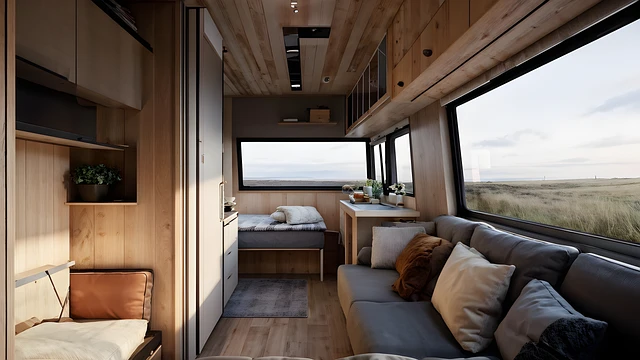
Tiny house furniture had a marketing problem. Everything “transforms”. Everything “folds”. And most of it is never used as intended.
The rule says: if it requires effort, you won’t use it.
Tiny home owners talk about this very often:
- Murphy beds stay open.
- Fold-down desks never get opened.
- Convertible tables get cluttered.
What works better?
BUILT-INS.
- Platform beds with deep drawers.
- Built-in benches with inside storage.
- Sofas tailored for the space, not magazines.
Built-ins don’t move around when the house needs to be transported, they weigh less, and they reduce clutter.
Which is kind of the point.
Use But Don’t Abuse The Vertical Space
The walls of the tiny house can easily be considered real estate.
But more shelves don’t automatically mean a more comfortable living.
I’ve seen some library like interiors that don’t feel comfortable at all.
Smart vertical design:
- Only daily-used items go in open shelves.
- Seasonal stuff goes into high-up cabinets.
- Negative space for the air flow and the feeling of airiness.
A bonus idea: place shallow cabinets above the door frames. Barely noticeable. Perfect for rarely used items.
There should be a feeling of intention behind the vertical storage, not desperation.
Storage That Doesn’t Lie To You
If storage is annoying or uncomfortable to access, it might as well not be there at all.
Storage that works:
- Full slide-out drawers under beds.
- Storage under the stairs with good depth.
- Toe-kick drawers in the kitchen (yes, they exist, and yes, they are awesome).
Don’t think or design storage for a hypothetical future, like camping gear, tools, extra clothes, and then come to a realization that boring everyday stuff like food, cleaning supplies and shoes needed a better and easier access.
Tiny homes do force an honest design.
Materials Really Matter
In a large house, bad materials blend in. In a tiny one, they shout!
Here is some builder advice on materials:
- No cheap laminates in the daily used areas.
- Durable flooring all the way!
- Pick materials you can repair, not just replace.
- Matte surfaces age better.
- Lighter woods reflect light, brightening up the place.
Stay or Not To Stay – Kitchens and Bathrooms
People will tolerate small bedrooms. They won’t tolerate a bad kitchen.
In tiny homes, kitchens will work when:
- The prep space is more important than the appliances.
- Counters need to serve multiple purposes.
- Reachable storage over good looks every time!
You hear constantly how many owners would happily sacrifice a big fridge for more counter space. We cook every day, so the design should reflect that.
Bathrooms are even more personal.
For example wet baths usually simplify the plumbing and save space. But it’s a matter of personal taste. Some love them, some hate them. Single people don’t mind them, whereas families usually regret installing them.
When designing a bathroom, think about how you actually live, not what looks efficient on paper.
Smaller bathrooms also means fewer pipes, fewer leaks, less water and heating usage and maintenance. That’s not glamorous, that’s effective.
Cozy Or Claustrophobic – Lighting Makes All The Difference
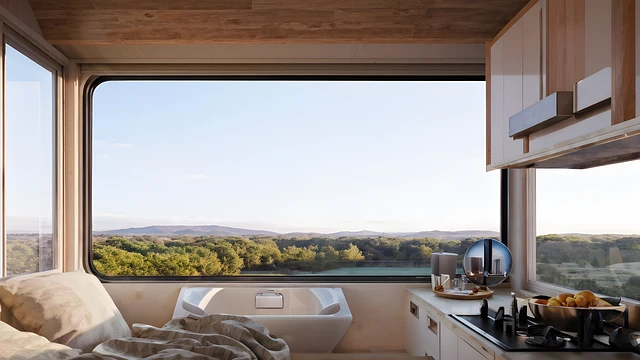
Lighting mistakes can make your tiny home near to unlivable. Here are some tips that will make your space feel comfortable and enjoyable:
- Natural light comes first. Always.
- Next best thing – layered light.
- Soft lighting for evenings.
- Task lighting for desks and kitchens.
- Don’t go for one sealing light, trying to take care of everything.
Good lighting improves mood. And mood is very important when you can see the whole house, and touch 3 out of 4 walls without standing up.
Pro tip: go for LED lights if you value efficiency and reliability. Less power draw. Longer lifespan. Fewer headaches.
Make It Livable. Not Perfect
When you design, design for morning and evenings, not social media.
Texture outweighs the decoration. One personal object is better than 10 ones from IKEA.
A good interior doesn’t remind you that you live small.
It reminds you why you chose to.
Less to clean. Less to fix. More flexibility and choice in location.
A tiny house done right doesn’t feel limiting at all. It feels liberating!