

Home fire safety is one of the most important aspects of responsible homeownership, yet it is often overlooked until an emergency occurs. Modern homes include more electrical devices, smart appliances, and interconnected systems than ever before. While these technologies offer comfort and convenience, they also increase the need for effective fire prevention and early warning systems. Understanding the key components of modern fire safety can help homeowners protect their property, their belongings, and most importantly, the people inside.
Today’s approach to fire protection goes beyond basic precautions. It combines awareness, reliable detection systems, and smart technology that allows homeowners to respond quickly when risks arise.
Why Early Detection Matters
In many home fire incidents, smoke spreads faster than flames. This means that early detection plays a critical role in preventing injuries and minimizing damage. Fires can start from common sources such as overloaded electrical outlets, unattended cooking, heating equipment, or malfunctioning appliances.
A properly installed smoke detector provides an early warning by identifying smoke particles in the air and triggering an alarm. This warning gives occupants valuable time to evacuate safely or address the issue before it escalates. Modern detection systems improve on this basic function by offering better sensitivity, connectivity, and reliability.
Experts recommend installing smoke detectors in key areas such as bedrooms, hallways, and living spaces. Ensuring complete coverage throughout the home significantly increases the chances of early detection.
The Role of Smart Technology in Fire Safety
Advancements in smart home technology have transformed the way homeowners manage safety. Smart smoke detectors can now connect to mobile apps, allowing users to receive alerts even when they are away from home. This remote monitoring capability is especially valuable for homeowners who travel frequently or manage multiple properties.
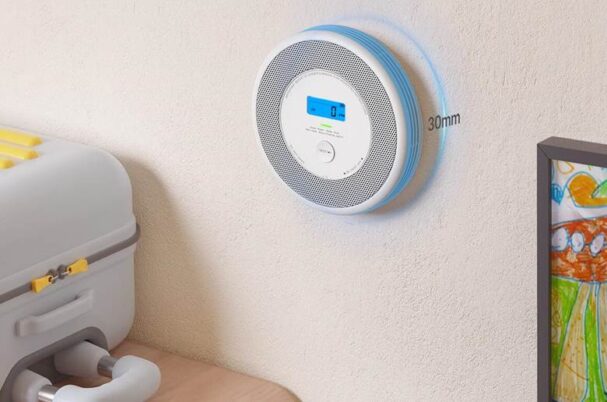
For example, devices like the X-Sense XS0B-MR smart smoke detector integrate with a dedicated base station and connect via 2.4 GHz Wi-Fi, enabling users to monitor their home through a mobile app. This connectivity ensures that alerts are delivered promptly, whether the homeowner is in another room or away from the property.
In addition, interconnected alarm systems allow multiple detectors to communicate with each other. When one device detects smoke, all connected alarms activate simultaneously, increasing the likelihood that occupants will hear the warning regardless of their location within the home.
Voice Alerts and Improved Communication
Traditional smoke alarms rely solely on loud sirens, which may not always provide enough context. Modern systems enhance safety by including voice alerts that clearly communicate the nature of the threat. Instead of hearing only a generic alarm, occupants can receive specific warnings that help them respond more effectively.
Voice alerts can be especially useful in larger homes, where identifying the source of the danger quickly can make a significant difference. This feature also improves accessibility for households with children, older adults, or individuals who may need clearer guidance during emergencies.
Replaceable Batteries and Long-Term Reliability
Reliability is essential when it comes to fire safety equipment. Modern smoke detectors often feature replaceable batteries, ensuring that devices can remain operational for extended periods without requiring full replacement. This makes maintenance easier and more cost-effective over time.
Regular battery checks and replacements help ensure that smoke detectors remain functional. Many modern devices also provide low-battery notifications, reducing the risk of unnoticed power loss.
Integration with Smart Home Systems
Another key advancement in fire safety is compatibility with broader smart home ecosystems. Some modern detectors can integrate with home automation platforms, allowing homeowners to connect fire safety with other smart features such as lighting, notifications, or monitoring systems.
Compatibility with platforms like Home Assistant allows users to incorporate fire safety into their overall home management strategy. This integration provides greater visibility and control, making it easier to maintain a safe living environment.
Preventive Measures Every Homeowner Should Follow
While technology plays a critical role, fire prevention also depends on everyday habits. Homeowners should regularly inspect electrical wiring, avoid overloading outlets, and ensure that heating equipment is properly maintained. Kitchen safety is especially important, as unattended cooking remains one of the leading causes of residential fires.
In addition, homeowners should test smoke detectors regularly and ensure that all family members understand evacuation procedures. Having a clear plan can make a significant difference in emergency situations.
The Importance of Interconnected Safety Systems
One of the most effective ways to improve fire safety is through interconnected detection systems. These systems ensure that warnings are distributed throughout the home instantly. Instead of relying on a single alarm, interconnected devices provide comprehensive coverage and faster notification.
This approach is particularly valuable in multi-story homes, where sound from a single alarm may not reach all areas. Interconnected systems help ensure that everyone in the household receives the warning at the same time.
Conclusion: A Smarter Approach to Home Fire Safety
Modern home fire safety is built on a combination of awareness, prevention, and advanced detection technology. Reliable smoke detectors remain the foundation of any effective safety strategy, while smart features such as app connectivity, voice alerts, and system integration provide additional protection.
Solutions like the X-Sense XS0B-MR demonstrate how modern technology can enhance traditional fire safety methods. With features such as replaceable batteries, interconnected alarms, voice alerts, and smart app integration, homeowners can benefit from improved monitoring and faster response times.
By combining proper installation, regular maintenance, and modern smoke detector technology, homeowners can significantly reduce fire risks and create a safer living environment for everyone.