
Bamboo is rapidly becoming a top choice for eco-conscious homeowners. Its sustainable nature makes it ideal for those seeking environmentally friendly outdoor spaces. This article explores how upgrading your pin-up house with bamboo decking can enhance both style and sustainability. For enthusiasts following DIY cabin plans, exploring vibrant design options can further enrich these exterior upgrades.
As sustainable living gains traction, particularly in tiny homes, the demand for eco-friendly materials is increasing. Upgrading your pin-up house with bamboo decking is an innovative approach that aligns with this trend. With its rapid growth rate and minimal environmental impact, bamboo emerges as an excellent alternative to traditional wood decking. Eco-friendly decking often incorporates materials that reduce environmental impact while maintaining visual appeal. Deck installation also remains a straightforward process given bamboo’s natural resilience.
Environmental Benefits of Choosing Bamboo Materials
Bamboo offers numerous environmental advantages that make it an attractive building material. Unlike conventional wood, bamboo grows quickly, reaching maturity in a few years. This rapid growth cycle means it can be harvested more frequently without depleting forests, making it a renewable resource. Additionally, bamboo’s ability to absorb carbon dioxide and release oxygen significantly contributes to reducing greenhouse gases.
Choosing bamboo products for your outdoor spaces not only supports sustainability but also promotes ecological balance. Its root system helps prevent soil erosion and maintains soil health, which benefits surrounding ecosystems. By opting for fused bamboo decking or similar products, you actively participate in preserving natural habitats while enjoying stylish and durable materials. Some individuals select fused bamboo decking to further reduce their carbon footprint, as it involves less resource consumption.
Another significant environmental advantage of bamboo is its minimal water requirements compared to traditional hardwood trees. Bamboo thrives naturally with rainfall alone in most climates, eliminating the need for extensive irrigation systems that can strain local water resources. Furthermore, bamboo cultivation requires no pesticides or fertilizers, as the plant possesses natural antimicrobial properties that protect it from pests and diseases. This chemical-free growing process means that bamboo products introduce no harmful substances into your living environment or the surrounding ecosystem, making them particularly suitable for families prioritizing health and environmental stewardship.
Creative Design Ideas for Tiny Home Outdoor Areas
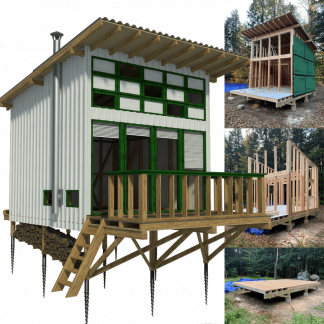
Incorporating bamboo into your tiny house porch or outdoor area can transform a small space into a functional and aesthetically pleasing retreat. Consider using plans that integrate bamboo elements to maximize space efficiently. Bamboo’s versatility allows for innovative designs, such as vertical gardens or modular decking systems that fit seamlessly into limited spaces. Many homeowners also experiment with fused bamboo in floor panels and decorative screens for a distinctive visual appeal. For enthusiasts pursuing DIY cabin plans, bamboo materials can seamlessly integrate into rustic designs. A tiny house porch can become an inviting nook for relaxation with minimal landscaping.
For those looking to enhance their outdoor living experience, installing eco-friendly decking made from bamboo can provide both comfort and style. The natural texture and color variations of bamboo create a warm and inviting atmosphere. Additionally, bamboo products offer increased durability, making them suitable for high-traffic areas where traditional materials might wear quickly.
The Longevity and Upkeep of Bamboo Structures
Bamboo’s resilience in diverse weather conditions makes it an ideal choice for outdoor applications. Its natural resistance to moisture and pests reduces the need for chemical treatments often required by other materials. However, regular maintenance ensures the longevity of your bamboo installations. Simple steps such as applying a protective sealant can help preserve its appearance and structural integrity. In certain climates, fused bamboo decking can deliver reliable performance year-round.
Routine cleaning is essential to maintain the beauty of your bamboo surfaces or furniture. Gentle washing with mild soap and water will remove dirt and debris without damaging the surface. By following these maintenance tips, you can keep your bamboo structures looking new while extending their lifespan.
Summarizing the Advantages of Using Bamboo Outdoors
The use of bamboo in eco-friendly decking projects offers numerous benefits that are hard to overlook. It provides a sustainable alternative to traditional wood, reducing environmental impact while delivering robust performance in various weather conditions. Bamboo’s rapid growth cycle contributes to its renewability, positioning it as an ideal choice for environmentally conscious homeowners.
You might find yourself drawn to fused bamboo decking, known for its durability and aesthetic appeal. By considering deck installation with bamboo decking or other related products, you embrace a versatile option that enhances both the functionality and aesthetic appeal of your tiny home spaces. Bamboo’s adaptability allows you to create unique designs tailored to your lifestyle needs while supporting global sustainability efforts. Fused bamboo decking also proves to be a valuable choice for homeowners seeking a balance between modern design and long-term performance.