Quick Answer
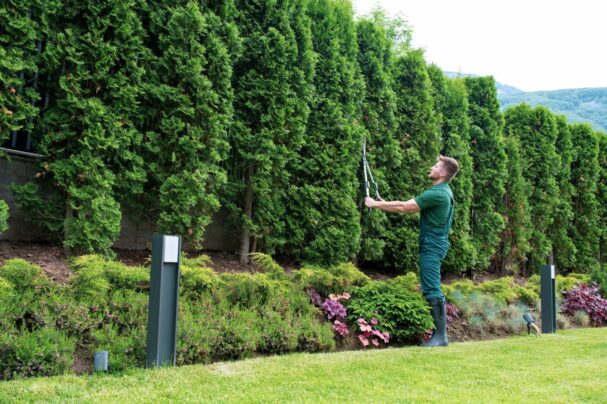
Professional landscaping transforms outdoor spaces into functional, beautiful extensions of your home. Whether you’re adding a patio, regrading a sloped yard, or installing low-maintenance greenery, the right approach balances aesthetics, usability, and climate resilience. In regions with freeze-thaw cycles and variable growing seasons, thoughtful planning is essential to ensure longevity and reduce ongoing upkeep. A well-executed landscape not only enhances daily enjoyment but can also significantly boost curb appeal and property value over time.
Introduction
Imagine stepping into your backyard and feeling as though you’ve entered a private retreat – where the sound of trickling water, the warmth of a firepit, and the softness of well-placed greenery all come together seamlessly. That’s the power of thoughtful outdoor design. More homeowners are realizing that their yards aren’t just patches of grass but opportunities for relaxation, entertainment, and connection with nature.
For those exploring options, Calgary landscaping professionals like Tazscapes often demonstrate how terrain challenges – like slopes or limited sun exposure – can become design features rather than obstacles. By integrating elements like tiered patios, dry creek beds, or pergolas with adjustable louvers, even tricky lots can become inviting, multi-functional spaces.
The journey from overgrown lawn to polished outdoor living area starts with understanding what’s possible, what’s practical, and how to partner with the right team. In the sections ahead, we’ll walk through key aspects of residential landscaping – from planning and material choices to long-term value – so you can make informed decisions, no matter where you are in Canada.
What to Expect from Professional Landscaping Services
Investing in your outdoor space is about more than aesthetics – it’s about creating a durable, usable extension of your home that aligns with your lifestyle and local climate. Whether you’re starting from scratch or refreshing an aging yard, understanding what modern landscaping services include can help you set realistic expectations and make smarter decisions.
Key Components of Full-Service Landscaping
Today’s residential landscaping typically blends softscaping (living elements like plants, trees, and turf) with hardscaping (non-living structures like patios, walls, and lighting). A cohesive design thoughtfully integrates both to balance beauty, function, and maintenance needs. Common elements include:
Custom patios and walkways using natural stone, concrete, or pavers
- Retaining walls to manage slopes and create tiered zones
- Outdoor living features such as firepits, pergolas, or built-in seating
- Strategic planting beds with drought-tolerant or native species
- Lighting systems that enhance safety and ambiance after dark
- Drainage solutions to prevent erosion and pooling
For example, a sloped backyard might be transformed using a cascading water feature paired with layered stonework – turning a drainage challenge into a serene focal point. Similarly, artificial turf has grown in popularity for low-upkeep green spaces, especially in areas with water restrictions or heavy pet use.
Choosing the Right Landscape Contractor
Not all professionals offer the same level of expertise. A qualified landscape contractor should provide more than just installation – they should guide you through design, material selection, and long-term care considerations. Look for someone who:
- Holds proper licensing and insurance
- Offers a clear, itemized proposal before work begins
- Uses detailed site assessments or scaled property reports
- Collaborates with specialized trades (e.g., electricians for lighting, masons for stonework)
- Communicates clearly about timelines and potential disruptions
Avoid vague estimates or contractors who pressure you into quick decisions. A reputable partner will welcome questions and adjust plans based on your feedback.
Understanding Landscaping Cost Variables
One of the most common concerns homeowners have is landscaping cost – and for good reason. Prices can vary dramatically based on scope and materials. While a simple mulch-and-plant refresh might run a few hundred dollars, a full backyard overhaul with hardscaping and custom features can reach tens of thousands.
Here’s a general breakdown of cost drivers:
| Factor | Impact on Budget |
| Project size | Larger lots require more materials and labor |
| Hardscape complexity | Patios, walls, and outdoor kitchens add significant cost |
| Material quality | Premium pavers or natural stone cost more than concrete alternatives |
| Site conditions | Slopes, poor drainage, or tree removal increase prep work |
| Seasonal timing | Peak-season projects may carry scheduling premiums |
Rather than aiming for the lowest quote, focus on value: durability, design intelligence, and long-term usability. A well-built landscape can reduce future maintenance and even lower water or energy bills – making thoughtful upfront investment worthwhile.
The Role of Design in Residential Landscaping
Effective residential landscaping always starts with a plan. Skipping design to “just get it done” often leads to mismatched elements, poor flow, or costly changes mid-project. A good design accounts for:
- Sun exposure and wind patterns
- Existing trees or structures to preserve
- Desired activities (dining, play, quiet lounging)
- Future expansion (e.g., pool or shed additions)
- Local bylaws or easements
Many professionals now offer 2D or 3D visualizations so you can “walk through” your future yard before breaking ground. This step not only prevents surprises but also sparks ideas you might not have considered – like using a pergola to define a dining zone or routing a dry creek bed to manage runoff creatively.
What’s Next: Making Smart Choices for Long-Term Enjoyment
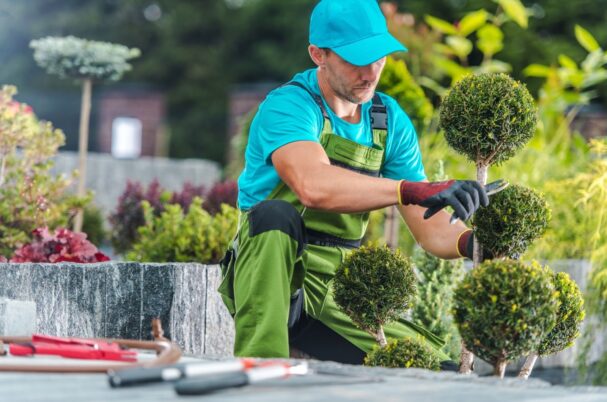
Once you’ve grasped the scope of what’s possible, the real focus shifts to sustainability, adaptability, and personalization. The best outdoor spaces evolve with your needs and thrive in your local climate – without demanding constant attention. Here’s how to set your project up for enduring success.
Prioritize Low-Maintenance, High-Impact Features
Not all landscaping elements are created equal when it comes to upkeep. In regions with short growing seasons or unpredictable spring thaws, selecting resilient materials and plantings can save time and money year after year. Consider these durable, attractive options:
- Permeable pavers: Allow water drainage while reducing ice buildup
- Native plants: Adapted to local soil and rainfall patterns, requiring less watering and fertilizing
- Evergreen shrubs: Provide year-round structure and privacy
- Metal or composite edging: Cleaner lines with less shifting than plastic alternatives
A well-planned feature like a gravel sitting area with built-in bench seating can offer charm and function without weekly mowing or weeding.
Plan for Four-Season Use
Many homeowners design with summer in mind – but Canadian yards should perform across all seasons. Think beyond the barbecue:
- Install subtle path lighting to highlight walkways in darker months
- Choose hardscape materials with textured finishes to reduce slip risk in frost
- Incorporate evergreen screening to soften winter views
- Position seating areas to catch afternoon sun during cooler months
Even small touches – like a covered entry to your patio or a sheltered wood storage nook – can extend usability well into fall or early spring.
Ask the Right Questions Before Hiring
If you’re narrowing down providers, go beyond portfolios. The quality of landscaping services often lies in communication, problem-solving, and aftercare support. Useful questions include:
- “How do you handle unexpected issues like hidden drainage pipes or soil instability?”
- “Can you provide a phased plan if I want to build over two seasons?”
- “Do you offer maintenance guidance or seasonal check-ins post-installation?”
- “What warranties or guarantees cover materials and workmanship?”
A transparent, collaborative approach is often a better indicator of reliability than flashy before-and-after photos alone.
Keep an Eye on Emerging Trends
Landscaping continues to evolve, with homeowners increasingly blending indoor comfort with outdoor living. Current shifts worth noting:
- Outdoor rooms: Defined zones with rugs, curtains, and weather-resistant furniture
- Edible landscaping: Fruit trees, berry bushes, or raised herb gardens integrated into ornamental beds
- Eco-conscious drainage: Rain gardens and bioswales that manage runoff while supporting pollinators
- Smart irrigation: Wi-Fi-connected systems that adjust watering based on weather forecasts
Final Thoughts: Your Yard, Your Sanctuary
A well-designed outdoor space isn’t just about curb appeal – it’s about creating a place where everyday moments feel a little more peaceful, and gatherings feel a little more special. Whether you’re working with a compact urban lot or a sprawling suburban property, the principles remain the same: start with a clear vision, choose materials and plants suited to your climate, and partner with professionals who listen as much as they build.