Homeowners across the United States who experience long, harsh winters face a unique challenge — maintaining reliable indoor comfort when outdoor temperatures remain well below freezing for extended periods. Selecting the best heating, ventilation and air conditioning (HVAC) system for homes in cold climates requires careful consideration of performance, efficiency, durability and long-term operating costs.
Over the past decade, advancements in cold-climate HVAC technology have significantly expanded the range of viable options for homeowners who once relied almost exclusively on traditional furnaces. Below are the leading system types used across cold climates.
- Cold-Climate Heat Pumps
Cold-climate heat pumps represent one of the most significant advancements in residential heating technology. Unlike traditional air-source heat pumps, which struggle in extreme cold, modern cold-climate models utilize enhanced compressors, refrigerants and control algorithms designed to extract heat from outdoor air even at very low temperatures.
These systems transfer heat rather than generating it through combustion, which supports high efficiency across a wide range of conditions. Many cold-climate heat pumps maintain a strong heating output at temperatures well below 0° Fahrenheit, making them increasingly popular in northern states.
For homeowners focused on energy efficiency, electrification and long-term sustainability, cold-climate heat pumps offer a compelling solution. When paired with proper insulation and air sealing, these systems provide consistent indoor comfort throughout winter while also delivering cooling during summer months.
- High-Efficiency Gas Furnaces
High-efficiency gas furnaces remain a widely used heating solution for homes in cold climates, particularly in regions with established natural gas infrastructure. These furnaces achieve high efficiency by capturing and reusing heat that older models allowed to escape through exhaust gases.
Advanced condensing furnaces are engineered to use fuel more effectively, supporting efficient operation throughout extended heating seasons. Features such as variable-speed blowers and modulating burners promote smoother, more consistent heat delivery, helping maintain even indoor temperatures without noticeable fluctuations.
Gas furnaces excel in extreme cold due to their ability to generate high heat output regardless of outdoor temperature. For many homeowners, especially those seeking proven performance and rapid heating response, high-efficiency furnaces remain a strong choice.
- Dual-Fuel HVAC Systems
Dual-fuel systems combine an electric heat pump with a gas furnace, providing a flexible heating solution that is optimized for cold climates. The heat pump operates during mild and moderate winter conditions, while the gas furnace activates when temperatures drop to levels where combustion heat becomes more efficient.
This hybrid approach maximizes energy efficiency while preserving heating reliability during extreme cold. Advanced controls automatically select the most efficient heat source based on outdoor temperature, energy costs and system performance.
Dual-fuel systems appeal to homeowners seeking the efficiency benefits of heat pumps alongside the cold-weather reliability of gas heating. In regions with fluctuating winter temperatures, these systems provide adaptability and resilience.
- Geothermal Heat Pump Systems
Geothermal heat pump systems, also known as ground-source heat pumps, use the stable temperature beneath the earth’s surface to provide heating and cooling. Underground temperatures remain relatively constant year-round, even during severe winter conditions.
By exchanging heat with the ground rather than outdoor air, geothermal systems deliver consistent heating performance regardless of air temperature extremes. These systems achieve exceptionally high efficiency and long-term operational cost savings, although the initial installation requires significant planning and up-front investment.
For homeowners committed to long-term efficiency and environmental performance, geothermal systems represent one of the most reliable HVAC solutions for homes in cold climates.
- Hydronic Heating Systems With Boilers
Hydronic heating systems distribute heat through hot water circulated via radiators, baseboards or radiant floor tubing. High-efficiency boilers powered by natural gas, propane or electricity generate the hot water used for space heating.
These systems provide even, comfortable heat well-suited for cold climates, especially in older homes or custom-built residences. Radiant heat eliminates drafts and maintains consistent indoor temperatures, enhancing comfort during extended winters.
While hydronic systems typically serve heating only, they often integrate with separate cooling systems or air handlers to provide year-round climate control.
What Defines the “Best” HVAC System for Homes in Cold Climates?
The best HVAC system for homes in cold environments delivers dependable heating performance during sustained subfreezing conditions while maintaining energy efficiency, occupant comfort and long-term reliability. Performance alone rarely determines suitability. Cold-climate HVAC systems must also support consistent airflow, humidity control and safe operation throughout the winter season.
Cold-weather regions place far greater demands on heating equipment than moderate or warm climates. Systems must deliver consistent heat during extreme temperature drops, manage indoor air quality when homes remain sealed for months, and operate efficiently even when energy prices fluctuate.
Several core characteristics define top-performing HVAC systems in cold regions:
- Cold-temperature heating capacity that remains effective when outdoor air temperatures fall below 0° Fahrenheit
- High energy efficiency ratings, which reduce operating costs during prolonged heating seasons
- Durable components engineered to withstand frequent cycling and extreme environmental stress
- Compatibility with backup or supplemental heat sources for resilience during severe cold snaps
- Advanced controls and variable-speed operation that enhance comfort and efficiency
Key Features to Prioritize for Homes in Cold Conditions
When evaluating HVAC systems for homes in cold climates, individual features often matter as much as the system type itself. Extended winter conditions place sustained demands on heating equipment, making performance consistency, efficiency and durability essential considerations.
The right combination of features supports reliable operation during prolonged cold spells, enhances indoor comfort across fluctuating temperatures and contributes to manageable long-term energy costs. Here are the key features homeowners should focus on when selecting an HVAC system for cold-weather regions.
Cold-Temperature Performance Ratings
Manufacturers increasingly publish heating capacity data at lower outdoor temperatures, allowing homeowners to compare real cold-weather performance. Systems designed for homes in cold environments sustain output and efficiency when temperatures drop well below freezing.
Backup or Supplemental Heat Options
Even advanced systems benefit from supplemental heating sources during extreme cold events. Electric resistance heaters, gas furnaces or boiler integration enhance reliability.
Variable-Speed Technology
With the ability to modulate output based on real-time heating needs, variable-speed compressors and blowers support efficient operation and improved indoor comfort. This approach minimizes temperature fluctuations and helps maintain stable, even conditions during prolonged cold-weather operation.
Advanced Defrost Controls
Cold-climate heat pumps utilize intelligent defrost cycles to manage ice buildup without compromising comfort. Modern controls minimize energy use while maintaining heating performance.
Indoor Air Quality Support
Homes in cold climates often remain sealed for months, making ventilation and filtration essential. Systems compatible with humidifiers, air cleaners and ventilation equipment support healthier indoor environments.
Energy Efficiency and Operating Costs in Cold Regions
Heating typically represents the largest portion of household energy use in cold climates. Efficient HVAC systems reduce monthly costs while supporting consistent comfort. High-efficiency equipment also qualifies for various utility incentives, rebates and federal programs that encourage energy-efficient upgrades.
Homeowners benefit from evaluating the total cost of ownership rather than focusing solely on purchase price. Efficient systems consistently deliver savings year after year, particularly during extended heating seasons.
Sizing and Installation Considerations
Proper system sizing is critical in cold-climate performance. Oversized systems cycle frequently, while undersized systems struggle during peak cold. Professional load calculations ensure equipment matches the home’s insulation, layout and heating demand.
Installation quality has a direct impact on performance, efficiency and system lifespan. Experienced contractors ensure airflow balance, refrigerant charge accuracy and control calibration align with manufacturer specifications.
Recommended HVAC Equipment Companies for Homes in Cold Climates
The following companies offer HVAC equipment suitable for homes in cold areas. This list focuses on manufacturers and suppliers recognized for their cold-weather capabilities and system reliability.
Ingram’s Water & Air Equipment
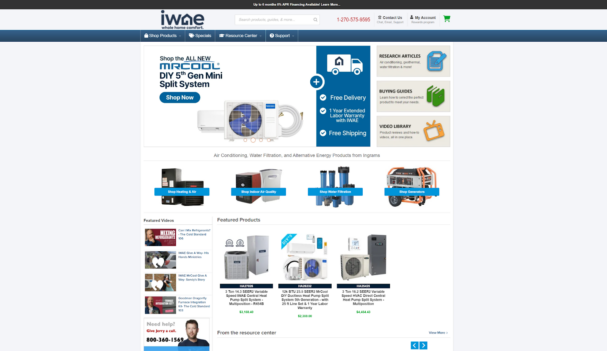
Ingram’s Water & Air Equipment brings more than three decades of hands-on experience in HVAC equipment, with deep roots in both system installation and customer support.
Founded by an industry-trained professional and shaped by years of fieldwork in plumbing, refrigeration and HVAC service, it combines practical expertise with an established e-commerce operation that began in 2000.
This blend of technical knowledge and online retail maturity allows it to deliver HVAC solutions efficiently to homeowners across the continental U.S., including those living in regions with severe winter conditions.
Its business approach centers on affordability, guidance and long-term customer satisfaction. A seasoned sales team works directly with homeowners to identify equipment suited to specific homes, climates and budgets, supporting confident purchasing decisions for cold-climate heating systems.
The company maintains strong operational credibility through consistent third-party recognition, including an A+ rating from the Better Business Bureau and high customer review scores across verified platforms. Beyond equipment sales, it demonstrates long-term stability through sustained growth, industry awards and active community involvement, reinforcing its position among leading HVAC equipment companies for homes in cold environments.
Carrier
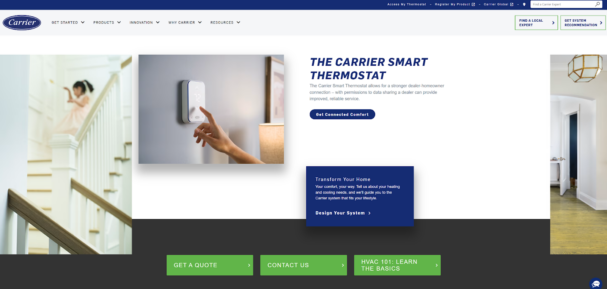
Carrier brings more than a century of innovation to residential heating and cooling, with a product portfolio designed to support dependable comfort in demanding winter environments.
Founded in 1902 by the inventor of modern air conditioning, it continues to apply advanced engineering to furnaces, cold-climate heat pumps, ductless systems, dual-fuel configurations and geothermal solutions suitable for homes in cold climates. Its equipment integrates smart controls, including connected thermostats that support proactive service, system optimization and homeowner convenience.
Carrier develops high-efficiency electric and hybrid heating systems that deliver consistent performance during freezing conditions while supporting lower energy use and reduced environmental impact.
The use of advanced refrigerants, variable-speed technology and zoned comfort solutions allows precise temperature control across different areas of the home. A nationwide network of authorized dealers ensures professional installation, warranty support and ongoing service reliability.
Industry recognition reinforces its leadership, with multiple awards for reliability, efficiency, smart-home compatibility and overall HVAC performance. Long-standing commitments to community engagement, workforce development and sustainable building further support Carrier’s position among the top HVAC equipment companies serving homeowners in cold-weather regions.
Trane
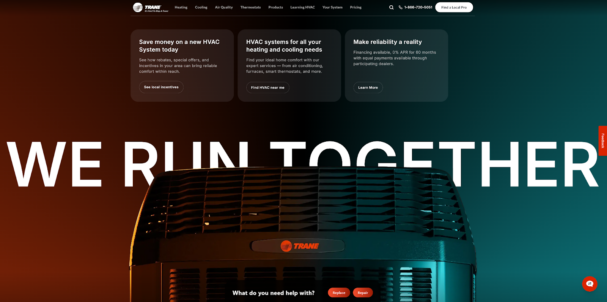
Trane delivers more than a century of heating and cooling expertise, with a strong focus on reliability, efficiency and performance in demanding winter environments.
With roots dating back to the late nineteenth century, it has consistently introduced technologies that shape modern residential HVAC systems, including early high-efficiency gas furnaces, hybrid dual-fuel configurations and advanced smart thermostat controls. This long history of engineering innovation supports dependable comfort for homes in cold conditions where heating performance remains a top priority.
Its residential product lineup includes high-efficiency furnaces, variable-speed heat pumps, ductless mini-split systems, packaged units and indoor air quality solutions designed to work together as integrated systems.
Advanced variable-speed technology allows precise temperature control while reducing energy consumption during extended heating seasons. Hybrid systems combine electric heat pumps with gas furnaces, delivering balanced efficiency and dependable heat during extreme cold conditions.
A nationwide network of certified professionals supports proper installation, financing options and long-term service reliability. Industry recognition further reinforces Trane’s reputation, including repeated acknowledgment as one of America’s most trusted HVAC brands. Through consistent product development and a focus on sustainable, high-performance systems, Trane remains a leading HVAC equipment provider for cold-weather residential applications.
Comparing Leading HVAC Equipment Providers for Homes in Cold Climates
Choosing an HVAC equipment provider involves more than brand recognition. For homeowners in cold climates, differences in product focus, support models, technology integration, and long-term reliability directly influence comfort and value. The comparison below highlights how Ingram’s Water & Air Equipment, Carrier and Trane align across key features that matter most in regions with long, severe winters.
| Feature | Ingram’s Water & Air Equipment | Carrier | Trane |
| Core Role | HVAC equipment supplier and e-commerce retailer | Full-scale HVAC manufacturer | Full-scale HVAC manufacturer |
| Cold-Climate System Availability | Furnaces, heat pumps, dual-fuel systems through multiple brands | Cold-climate heat pumps, furnaces, ductless, dual-fuel, geothermal | High-efficiency furnaces, variable-speed heat pumps, hybrid dual-fuel |
| Sales & Support Model | Direct-to-homeowner guidance with experienced sales team | Authorized dealer network nationwide | Certified professional dealer network nationwide |
| Smart Controls and Connectivity | System compatibility varies by brand selection | Integrated smart thermostats and connected systems | Smart thermostats with remote access and automation |
| Energy Efficiency Focus | Emphasis on cost-effective, high-efficiency equipment | Advanced variable-speed, all-electric and hybrid solutions | Variable-speed and hybrid systems optimized for efficiency |
| Installation Services | Equipment-focused, installation coordinated locally | Dealer-installed systems | Dealer-installed systems |
| Industry Recognition | Strong consumer ratings and long-term business growth | Extensive national awards for innovation and reliability | Repeated recognition as a trusted HVAC brand |
| Ideal For | Homeowners seeking value, flexibility and expert buying guidance | Homeowners seeking integrated technology and sustainability | Homeowners prioritizing durability and long-term performance |
Why System Choice Matters More in Cold Temperatures
Cold climates magnify both strengths and weaknesses in HVAC design. Equipment that performs adequately in mild regions may struggle under sustained winter loads. Selecting systems engineered for cold conditions improves comfort, reduces energy waste and enhances long-term reliability.
Homeowners benefit from evaluating heating performance data, efficiency ratings and system features through a cold-climate lens rather than relying on generalized recommendations.
The best HVAC system for homes in cold climates delivers dependable heating during extreme winter conditions while maintaining efficiency, comfort and long-term value. Cold-climate heat pumps, high-efficiency furnaces, dual-fuel systems, geothermal solutions and hydronic heating each offer distinct advantages depending on regional conditions, energy availability and homeowner priorities.
Choosing the Best HVAC System for Homes in Cold Areas
By focusing on cold-weather performance, system features and proper installation, homeowners across the U.S. can select HVAC systems that perform reliably throughout the harshest winters. Partnering with reputable equipment providers and experienced professionals further ensures comfort and peace of mind season after season.
As HVAC technology continues to advance, homeowners in cold climates enjoy more options than ever for achieving efficient, resilient and comfortable indoor environments.