Tiny homes and cabins continue to capture the imagination of homeowners seeking simplicity, affordability, and a stronger connection to nature. Whether tucked away in the mountains, situated beside a lake, or built as a backyard retreat, these compact spaces offer an appealing alternative to larger, high-maintenance homes.
However, as exciting as it is to choose floor plans, finishes, and exterior details, one important consideration is often overlooked: Will this home continue to meet your needs ten, twenty, or even thirty years from now?
Designing a tiny house with aging in place in mind doesn’t mean compromising aesthetics or creating an institutional environment. Instead, it means making thoughtful choices that enhance comfort, safety, and usability for people of all ages. By incorporating universal design principles during the planning phase, homeowners can create a cabin that not only works beautifully today but also supports greater independence and flexibility in the future.
What Does Aging in Place Mean?
Aging in place refers to the ability to remain in one’s home safely and comfortably as physical needs change over time. While the concept is often associated with retirees, the reality is that homes designed with accessibility in mind benefit everyone.
A young couple building their dream cabin may eventually retire there. A vacation property could become a full-time residence. A guest house may one day accommodate aging parents. Planning for these possibilities early can help avoid costly renovations later while preserving the enjoyment and functionality of the home.
The good news is that many aging-in-place features blend seamlessly into modern tiny house design.
Start With a Single-Level Layout
One of the most effective ways to improve long-term livability is to minimize reliance on stairs. Loft bedrooms may look charming in photographs, but they can become increasingly difficult to navigate over time. For homeowners who want to keep using upper-level spaces, stair lift solutions for cabins and tiny homes can provide safe access without significantly altering the home’s footprint.
Whenever possible, consider incorporating a main-floor sleeping area. Having the bedroom, bathroom, kitchen, and primary living spaces on one level makes daily life more convenient and reduces the risk of falls.
This approach isn’t just practical for older adults. Families with young children, individuals recovering from injuries, and anyone carrying groceries or laundry can appreciate the ease of a single-level layout.
If a loft is included in the design, consider making the main-floor bedroom flexible enough to function as the primary sleeping space in the future.
Choose Wider Doorways and Open Pathways
Space efficiency is essential in tiny homes, but circulation areas shouldn’t feel cramped.
Traditional interior doors are often 28 to 30 inches wide. Expanding these openings to 32 to 36 inches can make a significant difference in accessibility. Wider doorways allow for easier movement throughout the home and can accommodate walkers, wheelchairs, or other mobility aids if they become necessary.
Hallways and transition areas should also be designed with maneuverability in mind. Open layouts not only improve functionality but can also make a small home feel larger and more inviting.
These modifications typically involve minimal additional expense during construction yet can save thousands of dollars in future remodeling costs.
Design an Accessible Bathroom From the Beginning
Bathrooms are one of the most important spaces to consider when planning for aging in place.
A thoughtfully designed bathroom can improve safety without sacrificing style. Features worth considering include:
- Walk-in showers with low or zero thresholds
- Slip-resistant flooring materials
- Handheld shower heads for flexibility and convenience
- Comfort-height toilets
- Reinforced walls that can support grab bars if needed later
- Adequate space around fixtures for easier movement
Many of these design elements have become increasingly popular because they align with today’s preference for clean, spa-inspired interiors.
By planning ahead, homeowners can avoid major renovations if mobility needs change in the future.
Think Carefully About Bedroom Functionality
A bedroom should promote both restful sleep and ease of use.
When designing the space, allow sufficient clearance around the bed for comfortable movement. While tiny homes naturally require efficient use of square footage, overcrowding the sleeping area can create unnecessary challenges later on.
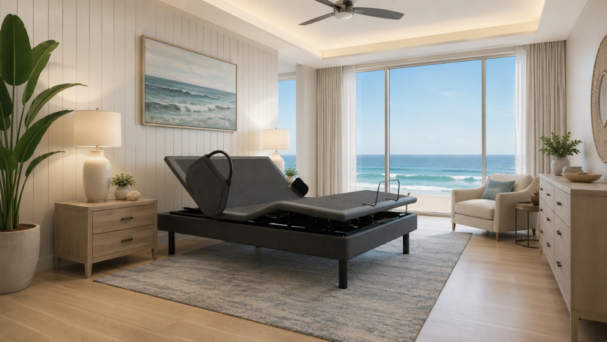
Another consideration that is gaining popularity among homeowners interested in aging in place is the use of hi-low adjustable beds.
Unlike standard adjustable bases that primarily raise the head and foot sections, hi-low systems can also elevate vertically. This added functionality can make it easier to get into and out of bed by allowing users to adjust the sleeping surface to a comfortable height.
Many modern hi-low adjustable beds are designed with residential aesthetics in mind. These beds assist and support aging in place while integrating naturally into a thoughtfully designed bedroom environment.
Prioritize Lighting Throughout the Home
Lighting plays a critical role in both safety and comfort.
As people age, vision changes can make it more difficult to navigate dimly lit spaces. Incorporating multiple layers of lighting can significantly improve usability within a tiny home.
Consider including:
- Large windows that maximize natural daylight
- Overhead lighting in gathering areas
- Under-cabinet lighting in kitchens
- Reading lights near seating areas
- Motion-activated lighting for nighttime pathways
- Illuminated exterior entrances and walkways
Effective lighting enhances visibility while contributing to the welcoming atmosphere many homeowners desire in a cabin setting.
Reduce Physical Strain With Small Design Choices
Sometimes the smallest details can have the greatest impact.
Simple upgrades that improve everyday usability include:
- Lever-style door handles instead of traditional knobs
- Rocker-style light switches
- Pull-out pantry shelves
- Drawers in lower kitchen cabinets
- Easy-to-reach storage solutions
- Minimal thresholds between rooms
These features require little effort to incorporate during construction but can make daily tasks more manageable for years to come.
Even homeowners with no immediate accessibility concerns often appreciate the convenience these elements provide.
Create Flexible Spaces
One of the advantages of tiny home living is intentionality. Every square foot serves a purpose.
Designing rooms with flexibility in mind can extend the usefulness of the home as needs evolve. A home office might later become a caregiver’s sleeping area. A reading nook could accommodate exercise equipment. Built-in storage solutions may eliminate clutter while improving accessibility.
Flexibility ensures that the home can adapt without requiring major structural changes.
Planning Ahead Is a Smart Investment
Many homeowners delay accessibility improvements until circumstances force them to act. Unfortunately, retrofitting a completed home can be expensive, disruptive, and emotionally challenging.
Incorporating universal design principles during the initial planning process is often significantly more cost-effective. More importantly, it allows homeowners to remain in a familiar environment that supports their independence and lifestyle preferences.
A tiny house designed for long-term comfort can offer peace of mind not only for its owners but also for family members who may eventually provide support or assistance.
Building for Every Stage of Life
Tiny homes represent more than a trend—they reflect a desire for intentional living and a focus on what matters most.
By considering aging in place from the very beginning, homeowners can create cabins that remain welcoming, practical, and beautiful throughout the years. Wider doorways, single-level layouts, accessible bathrooms, improved lighting, and adaptable bedroom solutions are all investments in future comfort.
Designing with longevity in mind doesn’t diminish the charm of a tiny home. Instead, it enhances its value by ensuring the space continues to serve the people who love it most.
After all, the goal isn’t simply to build smaller. It’s to build smarter.
A well-designed tiny house should support life’s changing seasons while remaining a place of relaxation, independence, and comfort. With thoughtful planning today, your cabin can become a home that truly stands the test of time.
Top of Form
Bottom of Form