A small home, cabin, cottage, or ADU can feel wonderfully simple until something goes wrong behind the walls, under the slab, or below the yard. In a compact home, one plumbing problem can affect the whole space quickly. A slow drain, sewer smell, or damp patch near the floor is not just inconvenient. It can interrupt daily routines and threaten the materials that make the home comfortable.
That is why plumbing access matters so much in small-space design. When pipes are easy to inspect and maintain, repairs are usually less disruptive. When pipes are hidden under finished flooring, decks, patios, or tight utility zones, even a simple issue can become more complicated.
For homeowners learning about trenchless plumbing or comparing pipe repair options closer to home, the goal is usually the same: fix the problem with the least practical disruption while still choosing a repair that makes sense for the condition of the pipe.
Why Plumbing Problems Feel Bigger in Small Homes
Small homes are efficient because every inch has a purpose. The same compact layout that makes a cabin or tiny home feel cozy can also make repairs more sensitive. A plumbing issue may affect storage, flooring, cabinetry, or the only bathroom in the home.
In a larger house, a damaged pipe might be isolated to one section. In a small house, a drain backup or hidden leak can quickly affect the kitchen, bath, sleeping area, or utility corner. That is why early inspection is so important.
Finished Surfaces Are Hard to Replace
Many small homes use thoughtful finishes: wood floors, built-in cabinets, compact tile bathrooms, custom decks, and carefully planned outdoor paths. Digging through those areas can be expensive, messy, and difficult to restore exactly as they were.
This is where less invasive repair planning becomes useful. The question is not only “What is wrong with the pipe?” It is also “What would we have to disturb to reach it?”
Underground Pipes Are Easy to Forget
Pipes below the home or yard are out of sight. They may work for years without attention, so homeowners often think about them only after a problem appears.
Common warning signs include:
- Drains that keep slowing down after cleaning
- Gurgling sounds from toilets or sinks
- Sewage odors near drains or outside the home
- Damp soil or sunken spots in the yard
- Water marks near lower walls or flooring
- Backups after heavy water use
One sign does not always mean a major sewer line repair is needed. But repeated signs should not be ignored.
What Does “Trenchless” Pipe Repair Mean?
Trenchless repair refers to methods that repair or replace underground pipes with limited digging. Instead of opening a long trench across a yard, floor, driveway, or patio, professionals may use existing access points or smaller entry areas.
The right method depends on pipe condition, pipe material, slope, access, soil, and local code requirements.
Pipe Lining
Pipe lining usually involves placing a new liner inside the existing pipe. Cured-in-place pipe, often called CIPP, uses a resin-saturated liner that is inserted into the pipe and cured to create a new interior surface. NASSCO describes CIPP as a widely used trenchless method for localized repairs or longer pipe rehabilitation.
This can be helpful when the existing pipe is damaged but still has enough shape and structure to support the liner. It may be considered for cracks, worn areas, or certain types of root intrusion.
Pipe Bursting
Pipe bursting is different. Instead of lining the old pipe, this method breaks the existing pipe outward while pulling a new pipe into place. It can be useful when the old pipe is too damaged for lining but the route can still support replacement without open excavation along the entire length.
This method still needs access points, and it may not be suitable for every property. A plumbing inspection helps determine whether it is realistic.
Spot Repair
Sometimes the issue is limited to one section. If a pipe has one damaged area, a spot repair may make more sense than rehabilitating the full line. In other cases, repairing only one section may leave the homeowner with repeated problems elsewhere.
The best option depends on what the camera inspection shows.
When Trenchless Methods May Help Protect Small Spaces
Trenchless options are most useful when the pipe problem is difficult to reach without damaging important parts of the property. For small homes, that can include areas where plumbing runs under compact bathrooms, finished floors, outdoor decks, patios, gardens, or concrete paths.
Under-Slab Pipe Problems
An under-slab pipe can be especially difficult because the pipe sits beneath the home’s floor system. Traditional access may require cutting concrete, removing flooring, and rebuilding the finished surface afterward.
If the pipe condition allows it, a less invasive method may reduce the need to disturb the living area. However, a collapsed pipe, severe belly, or major slope problem may still require direct access.
Outdoor Areas and Landscaping
Small homes often rely on outdoor living areas. A deck, garden path, gravel drive, patio, or raised bed may be part of the usable living space. Digging through those areas can affect both function and appearance.
When a pipe runs under a carefully planned outdoor area, a camera inspection can help locate the problem before anyone starts removing materials.
Older Cabins and Cottages
Older small homes may have old clay pipes, cast iron, or mixed pipe materials. These systems can work for decades, but age, soil movement, roots, and corrosion may create weak points.
Root intrusion is common where joints, cracks, or gaps allow roots to enter. Clearing roots may restore flow temporarily, but if the opening remains, the problem can come back.
What Homeowners Should Check Before Choosing a Repair
A good repair decision starts with diagnosis, not guesswork. Before approving any major pipe repair, homeowners should understand what is happening inside the pipe and what each option actually includes.
Ask for Camera Findings in Plain Language
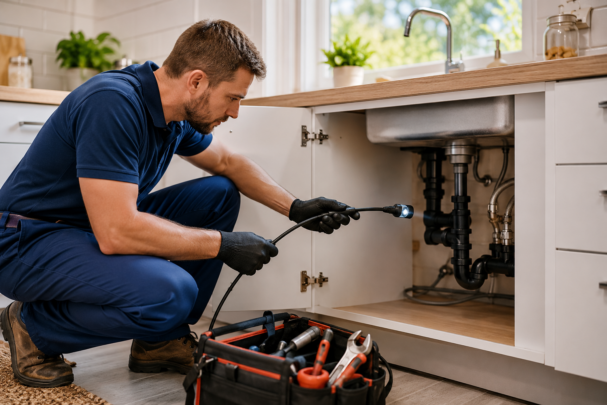
A camera inspection is helpful only if the results are explained clearly. Ask where the issue is, how long the damaged section is, what material the pipe is made from, and whether the pipe is cracked, offset, bellied, blocked, or collapsed.
Useful questions include:
- Where exactly is the damaged section?
- Is the pipe still round enough for lining?
- Are roots entering through a crack, joint, or broken section?
- Is there a slope or standing water problem?
- Will the repair cover one section or the full line?
- How many access points are needed?
- What finished areas could be affected?
These questions help homeowners compare options more fairly.
Understand the Difference Between Cleaning and Repair
Drain cleaning can remove roots, grease, scale, or debris from the pipe. It may solve a blockage, but it does not repair a broken pipe.
If the same drain keeps clogging, cleaning may only be buying time. That can be useful in some situations, but homeowners should know whether they are managing a symptom or fixing the cause.
Look at the Whole Property Layout
In a small home, the practical repair plan should consider more than the pipe. Think about access, flooring, cabinetry, porch placement, outdoor drainage, crawlspace height, and where equipment can safely reach.
For example, a pipe repair under a simple gravel area may be easier to access than one under a finished bathroom, slab, or deck. The layout can influence which method is most reasonable.
When Professional Help Makes Sense
Professional help makes sense when the issue keeps returning, affects the main drain, involves sewage odors, causes backups, or appears near finished floors and walls. A small symptom can point to a larger underground issue, especially in older homes or properties with mature trees.
A professional plumber can look for the source of the issue, not only the visible symptom. For example, specialists such as Dr. Pipe Drain and Plumbing focus on careful diagnosis, clear repair explanations, and practical plumbing solutions that help homeowners understand whether cleaning, pipe lining, pipe bursting, or another repair approach is appropriate for the situation.
Warning Signs to Act On
Some plumbing signs should be taken seriously because they may point to deeper pipe trouble.
Watch for:
- More than one drain slowing at the same time
- Toilet bubbles when another fixture drains
- Sewage smell near lower-level drains
- Water backing up into a tub, shower, or floor drain
- Repeated root removal from the same line
- Wet spots near foundations or finished basement walls
- A drain backup after laundry, bathing, or heavy water use
These signs do not automatically mean major pipe repair is needed. They do mean the system deserves a closer look.
How to Plan Better Plumbing Access in a Small Home
Even if there is no current pipe problem, smart planning can make future maintenance easier. This matters for cabins, tiny homes, backyard studios, and compact cottages where finished surfaces are harder to work around.
Add Access Where It Makes Sense
Access panels near shutoff valves, cleanouts, pumps, and key pipe runs can save time later. They do not need to be ugly. Many can be hidden inside cabinets, benches, utility closets, or built-in storage.
A cleanout is especially important for drain inspection and maintenance. If a professional cannot access the line easily, even a simple inspection may become harder.
Keep Utilities Grouped
Small homes often work best when kitchens, bathrooms, laundry, and mechanical areas are grouped close together. Shorter pipe runs can reduce complexity, simplify maintenance, and make leaks easier to locate.
This does not mean every design needs the same layout. It simply means plumbing should be part of the plan early, not squeezed in after the room arrangement is finished.
Think Before Building Over Pipes
Before adding a deck, patio, shed, driveway, or garden wall, consider whether important water or sewer lines pass underneath. Building over buried utilities can make future repairs more difficult.
If you are not sure where the lines are, locate them before the project begins.
Final Thoughts
Plumbing may not be the most visible part of a small home, but it plays a major role in how comfortable and durable the home feels. A beautiful cabin, cottage, ADU, or tiny house depends on systems that work quietly in the background.
When pipe problems appear, less invasive repair options may help protect finished spaces, landscaping, and compact layouts. The best choice depends on the condition of the pipe, not only the appeal of avoiding excavation.
For homeowners, the smartest first step is simple: notice patterns early, ask for a clear inspection, and choose a repair plan that protects both the plumbing system and the home built around it.