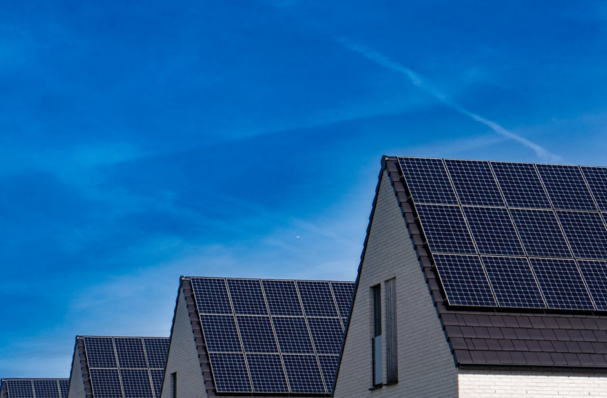
As an owner of a property, the increasing cost of utilities will have a direct impact on your NOI. The movement toward “green” or renewable energy is changing far more than just how we produce electricity. It is changing how electricity is metered, transmitted, distributed, and ultimately used in your buildings.
As such, time-of-use pricing, demand charges, and incentives for using renewable energy sources, such as solar panels, affect both your operational expenses and what your tenants pay.
Now is the best opportunity to understand these changes so you can strategically upgrade your properties to maintain profit margins, attract environmentally conscious tenants, and convert energy liabilities into a market advantage.
Understanding Green Energy Transitions in the Utility Sector
The term “green energy transition” is the process in which the utility industry transitions away from large-scale central station (centralized) fossil fuel-based generating facilities to a combination of solar, wind, and battery storage.
To accomplish the green energy transition, the grid needs to be fully upgraded with many smart grid technologies, such as smart metering that enables two-way communication, bi-directional power flow, and near real-time information exchange.
For you, the transition to green energy signifies the demise of predictable/flat-rate electricity pricing. Regulatory agencies have allowed utilities to recover their infrastructure investments through new rate structures.
The renewable portfolio standard and decarbonization mandates are driving the green energy transition nationally. With the retirement of traditional power sources, electricity prices will vary daily due to weather and the timing of usage.
How Utility Pricing Models are Changing?

Image Alt Text: A close-up of hands counting US dollar bills on a wooden table with documents and a smartphone nearby.
Utility pricing no longer has a simple, predictable model. The new rate models directly affect your operating expenses and your relationship with your tenants. Here’s how:
Direct Impact on Rental Property Operating Costs
Electricity will be priced at its highest levels when tenants are home (i.e., during peak evening hours), and time-of-use pricing can increase costs for common-area lighting, heating/cooling systems & laundry room operations. As such, many landlords are investing in solar panels as a hedge against rising utility costs.
Effects on Tenants and Lease Structures
Confusion over their own electric bills can create confusion among your tenants, leading to dissatisfaction if you cannot provide a reasonable explanation.
With time-of-use pricing models & other unpredictable fee structures, you should also consider restructuring your leases by incorporating a utility cap or a ratio-based utility billing system to evenly split the expense burden between you and your tenants.
Partnering with a property management company in Philadelphia is the most effective way to manage the logistics of installing EV charging stations to attract eco-conscious tenants.
Balancing Sustainability Goals with the Financial Performance of a Rental
Green Upgrades will boost your net operating income when done right. Here are 5 ways to get “green” and profitable.
Prioritize Energy Efficiency First
Do an energy audit before installing solar panels. Seal all air leaks. Add attic insulation. Switch to LED lighting. All of this will help cut down your energy use right away. Less energy used = less money spent. It will also mean that if you ever decide to go with a renewable energy system (like solar), it will need to be smaller, cost less, and take even less time to pay itself off.
Stack Incentives and Tax Credits
Utilities and local governments have many incentive programs available for solar arrays, heat pumps, electric vehicle charging stations, etc. Using these incentive programs could cut your initial investment as much as 30% to 50%. This greatly reduces the number of years it takes to get paid back on your green upgrade project.
Choose Durable, High-Performance Upgrades
Buy commercial-grade, Energy-Star rated appliances and high SEER-rated heating and cooling equipment. Both of which will save you money each month on utilities, and both last a long time, so there is less chance of having to replace them soon after installation. Fewer repairs and longer replacements will also keep your net operating income (NOI) intact.
Roll Out Upgrades in Phases
Don’t try to do too many things at once. Take it one property at a time. Document what kind of savings you get from the first property. Then invest those savings into the second property and continue this process until you’ve invested in all your properties.
Taking small steps like this will limit your exposure to financial risk. As you see the savings come in, you’ll feel more confident about continuing to make changes and be able to find funding for future green Upgrades through various types of green lending.
Educate and Incentivize Your Tenants
Your tenants can play a big role in helping you save energy. Just give them some easy-to-follow tips when they move in. Install smart thermostats that allow them to program their own temperature settings.
Offer discounts on their rent based on how little energy they consume. If your tenants work with you to reduce waste, you’re likely to meet your sustainability goals. Doing this can make it easier to renew rent, since many tenants walk away from a home when the cost no longer makes sense.
Conclusion
The green energy transition is creating new pricing rules for utilities. Understanding time-of-use rates, stacking incentives, and phasing in efficiency upgrades will help convert rising costs to manageable advantages. Investments such as solar panels are a hedge against volatility.
Updates to lease structures are helping maintain tenant satisfaction. Sustainability and financial performance no longer need to be trade-offs; instead, they create a blueprint for rental portfolios that are both resilient and profitable.
Adapt to these changes early on, and your properties will continue to outperform as the energy landscape evolves.