Choosing the right roof for a tiny house or small cabin is one of the most important decisions in the build. The roof shapes the look of the structure, but its real value comes from how well it protects everything beneath it. A small cabin may have fewer square feet than a full-size home, yet it still has to handle rain, wind, heat, snow, and seasonal temperature changes.
A roof that looks charming on paper may not be the best choice once climate, maintenance, and interior layout are considered. A flat or low-slope roof can give a small building a clean modern look, but it may create drainage problems in rainy or snowy regions. A steep gable roof can handle water and snow more effectively, but it requires careful framing and planning.
The best roof for a tiny house or small cabin is the one that fits how the structure will be used. A weekend retreat in the woods has different needs than a backyard studio, hunting cabin, lakeside cottage, or full-time tiny home. Before choosing a style or material, it helps to think about climate, roof pitch, insulation, ventilation, and future maintenance.
Why Roof Design Matters in Small Builds
Roof design has a direct effect on how a small structure performs from season to season. In a tiny house or compact cabin, there is little wasted space, so the roof can influence ceiling height, loft space, natural light, wall protection, heating, cooling, and storage.
Water management is one of the biggest concerns. Rain needs to move off the roof quickly and safely, away from walls, doors, windows, and the foundation area. If water collects in the wrong place, it can cause rot, leaks, mold, or soil erosion around the base of the structure. This is especially important for cabins built in wooded areas, where falling leaves, branches, and shade can keep surfaces damp for longer periods.
Snow is another major factor in colder regions. A roof with the wrong pitch or weak framing can struggle under heavy loads. Steeper roofs usually shed snow more easily, while lower-slope roofs may need stronger support and more careful waterproofing. Even a simple cabin roof should be planned with local weather in mind rather than chosen for appearance alone.
The roof shape also affects how difficult the build will be. Simple gable and shed roofs are popular for tiny houses and cabins because they are easier to frame, seal, ventilate, and maintain. More complex rooflines may look attractive, but they create more seams, valleys, flashing points, and possible leak areas.
Overhangs deserve attention as well. A modest overhang can protect siding from rain, provide shade during warmer months, and reduce splashback near the base of the building. On very small cabins, overhangs can also improve the overall proportions of the design.
Match the Roof Shape to the Cabin’s Purpose
The best roof shape depends on how the tiny house or cabin will be used. A full-time tiny home needs reliable insulation, ventilation, and weather protection throughout the year. A seasonal cabin may place more emphasis on simple construction and low maintenance. A backyard office or studio may need a roof that supports comfort, natural light, and a clean exterior appearance.
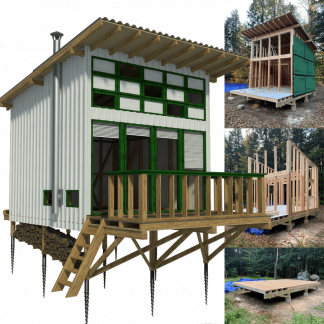
A gable roof is one of the most practical choices for small cabins. Its classic triangular shape allows rain and snow to run off easily, and the framing is familiar to many builders. It can also create extra headroom, which is useful when adding a loft or overhead storage. For many DIY plans, a gable roof offers a strong balance between appearance, function, and buildability.
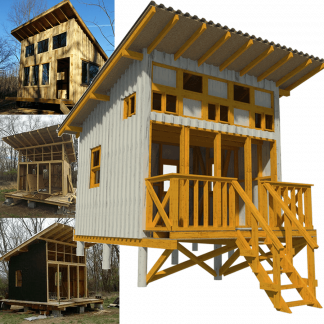
A shed roof is another popular option, especially for modern tiny houses and compact studios. It uses one continuous slope, which makes the structure simpler than many multi-plane roofs. This shape can work well when the higher wall is used for clerestory windows, shelves, or a sleeping loft. The main detail to watch is drainage, since all water runs toward one side of the structure.
A gambrel roof can be useful when the goal is to create more upper-level space. Its barn-like profile gives more usable room under the roof compared with a basic gable. This can make it appealing for cabins with lofts, but it also requires more careful framing. The extra angles mean more joints, more flashing concerns, and more opportunities for mistakes if the build is rushed.
Flat and low-slope roofs can look attractive on modern small homes, but they require careful planning. Water leaves the surface more slowly, so waterproofing, drainage, and material choice become especially important. In dry climates, this type of roof may work well. In areas with heavy rain or snow, it often demands stronger detailing and more frequent maintenance.
Choose Materials That Fit the Climate
Roofing material plays a major role in how well a tiny house or cabin performs over time. The right choice depends on climate conditions, maintenance expectations, budget, and how long the structure is expected to last.
Metal roofing is often a strong option for cabins and tiny houses, especially in areas with heavy rain or snow. It allows water and snow to slide off more easily, which reduces buildup and long-term wear. It is also resistant to fire, insects, and rot. Although the upfront cost can be higher than some alternatives, its lifespan and low maintenance needs make it a practical long-term investment. Builders comparing roofing options can learn from professional construction standards used by experienced contractors such as K Graber Construction when evaluating durability and installation quality.
Asphalt shingles are widely used because they are affordable, familiar, and suitable for many standard roof shapes. They are easier to install than some other materials and can work well on gable roofs. However, they may not last as long as metal in harsh climates and can require more frequent replacement depending on weather exposure.
Wood shingles or shakes can give a cabin a natural appearance that blends well with wooded surroundings. They can be beautiful, but they require more maintenance and are more vulnerable to moisture, mold, and fire unless treated properly. This makes them better suited for milder climates or for builders prepared for ongoing upkeep.
Corrugated panels and other lightweight materials are sometimes used for sheds and very small cabins. They can be cost-effective and quick to install, but quality varies widely. Choosing durable, well-coated materials is important to avoid early corrosion, leaks, or surface damage.
No matter which material is selected, installation quality matters. Fasteners, flashing, underlayment, and sealing details all contribute to how well the roof performs. A premium material installed poorly can fail sooner than a basic material installed correctly.
Think About Pitch, Drainage, and Snow Load
Roof pitch determines how quickly water and snow move off the surface. In tiny houses and cabins, where materials and structural elements are often compact, getting the pitch right can prevent long-term problems.
A steeper pitch is usually better for areas with frequent rain or heavy snowfall. Water flows off faster, which reduces the chance of leaks, standing moisture, and premature material wear. Snow is also less likely to accumulate, which lowers stress on the structure. This can be especially important for cabins in colder or mountainous regions.
Lower-pitch roofs can still work, but they require more attention to detail. Since water drains more slowly, the roofing system must be carefully sealed, and the underlayment becomes more important. Flashing around edges, vents, and joints must be installed with precision to prevent water from finding its way inside.
Drainage planning goes beyond the slope itself. Gutters and downspouts should direct water away from the structure, keeping the base of the cabin dry and stable. Without proper drainage, water can collect near the foundation, leading to erosion, shifting, or moisture problems inside the building.
Snow load should also be considered before finalizing a design. Each region has guidance for how much weight a roof should be able to support, so builders should review local building standards before choosing roof pitch, framing, and materials.
Don’t Forget Insulation and Ventilation
A well-built roof helps maintain a comfortable indoor environment. In tiny houses and small cabins, insulation and ventilation become especially important because temperature and moisture changes are felt quickly in compact spaces.
Insulation helps control how heat moves in and out of the structure. In colder climates, it keeps warmth inside during winter. In warmer areas, it slows heat from entering the cabin during the day. Without proper insulation, a small space can quickly become too cold or too hot for comfortable use.
Ventilation works alongside insulation to manage moisture and airflow. Warm air naturally rises, and in a small structure, that air reaches the roof quickly. If it has nowhere to go, condensation can form on the underside of the roof. Over time, trapped moisture can lead to mold, wood rot, and damaged insulation.
Simple ventilation systems, such as ridge vents, soffit vents, or small roof vents, allow air to circulate and carry moisture away. Even in very small cabins, these details should not be skipped, as moisture problems can develop quickly in compact interiors.
The goal is balance. Too much insulation without airflow can trap moisture, while too much ventilation without proper insulation can reduce energy efficiency. When both are planned correctly, the roof supports a stable indoor environment in every season.
Plan for Maintenance Before You Build
Maintenance is often overlooked during the planning stage, but it has a direct impact on how well a roof performs over the years. In a tiny house or small cabin, even minor roofing issues can quickly affect the entire structure.
Accessibility should be considered early. A roof that is difficult to reach or safely inspect can make cleaning and small repairs more complicated. Roof pitch, layout, and surrounding trees all influence how easy it will be to remove debris, check for damage, or replace worn components later.
Flashing is another critical detail. Areas around chimneys, vents, skylights, and roof edges are common points where water can enter if not properly sealed. High-quality flashing materials and careful installation help prevent leaks and reduce repair needs.
Gutters and drainage systems should also be part of the initial plan. Properly installed gutters direct water away from walls, windows, and the foundation. In wooded areas, regular cleaning may be necessary to prevent blockages from leaves and debris.
Material choice affects maintenance as well. Some roofing materials require periodic sealing, treatment, or replacement, while others are designed to last with minimal upkeep. Understanding these differences helps set realistic expectations before construction begins.
Use Existing Plans as a Design Reference
Starting with a proven design can make the roofing process more predictable. Small house and cabin plans often include guidance on roof shape, pitch, framing, and material recommendations. Using these plans as a reference helps reduce guesswork and lowers the risk of structural or drainage issues.
Even when customizing a build, reviewing established designs can highlight practical solutions that may not be obvious at first. Certain roof angles are commonly used because they balance ease of construction with effective water runoff. Overhang dimensions, rafter spacing, and support elements are often based on tested approaches that improve durability.
Exploring different layouts through tiny house plans can also help builders visualize how roofing choices affect interior space. A slight change in pitch or structure can create a more usable loft area, improve airflow, or change the look of the exterior.
Reference plans are also helpful for understanding material lists and construction steps. They show how different components work together, from underlayment and insulation to ventilation and finishing details. This level of clarity can save time during the build and reduce costly mistakes.
Using existing plans does not limit creativity. It provides a reliable foundation that can be adjusted to fit personal needs, climate conditions, and design preferences.
Final Thoughts
Choosing the right roof for a tiny house or small cabin comes down to practical decisions that support the structure over time. The shape, pitch, and materials should work with the local climate and the intended use of the space. A well-designed roof protects against weather, supports energy efficiency, and reduces the likelihood of expensive repairs.
Small builds benefit from simple, reliable solutions. Roof designs that are easy to construct and maintain often perform better over the long term than complex options with unnecessary details. Paying attention to drainage, insulation, ventilation, and material quality helps ensure that the structure remains comfortable and durable through changing seasons.
A thoughtful approach during the planning stage can prevent many common roofing problems. When each detail is considered carefully, the roof becomes a dependable part of the build and supports the longevity of the cabin or tiny house.