
If you are deciding between buying an existing home and building a new one, one of the first questions you will probably ask is: is it cheaper to build a house? In most cases, building a house is not cheaper upfront than buying an existing home. However, the full answer depends on where you live, whether you already own land, how customized the home will be, and what is included in the total project cost.
Buying often costs less initially because the home, land, utilities, driveway, landscaping, and basic infrastructure are already in place. Building can cost more at the start, but it may offer better long-term value if you want a custom layout, modern efficiency, fewer repairs, and more control over the finished home.
The key is comparing total cost, not just the purchase price or construction estimate.
Is It Cheaper to Build a House? The Short Answer
For most homeowners, it is usually cheaper to buy an existing home than to build a new one. Existing homes often come with fewer unknown costs and a faster move-in timeline.
Building a house can be more expensive because you may need to pay for land, site preparation, design, engineering, permits, utilities, construction, landscaping, and finishes. These costs can add up quickly, especially in high-cost markets.
That said, building may still make sense if you are looking for long-term value rather than the lowest upfront price. A new home can be designed around your lifestyle, built with modern materials, and equipped with efficient systems that reduce repairs and operating costs over time.
Why Buying an Existing Home Is Often Cheaper Upfront
Buying an existing home is usually the more affordable path at the beginning because many major costs are already built into the sale price.
Land and Utilities Are Already Included
When you buy an existing home, the land is included. The property usually already has utility connections, a driveway, sidewalks, landscaping, drainage, and basic infrastructure.
When building, these items may be separate costs. A lot that looks affordable at first can become expensive once grading, utility hookups, soil work, drainage, and permits are added.
Financing Is Usually Simpler
Buying an existing home typically involves a traditional mortgage. This process is familiar to lenders, real estate agents, and buyers.
Building often requires a construction loan, which can be more complex. Construction loans may involve draw schedules, inspections, interest-only payments during construction, and later conversion to a permanent mortgage.
Faster Move-In Timeline
Existing homes can often be purchased and occupied within a few months. New construction can take much longer, especially if design, permitting, site preparation, and weather delays are involved.
If you need to move quickly, buying is usually easier.
Fewer Unknown Costs
With an existing home, the purchase price is more defined. You may still face repairs or upgrades, but you can inspect the home before buying and negotiate based on its condition.
With a new build, the final cost may change due to material prices, labor conditions, design changes, site issues, or permit requirements.
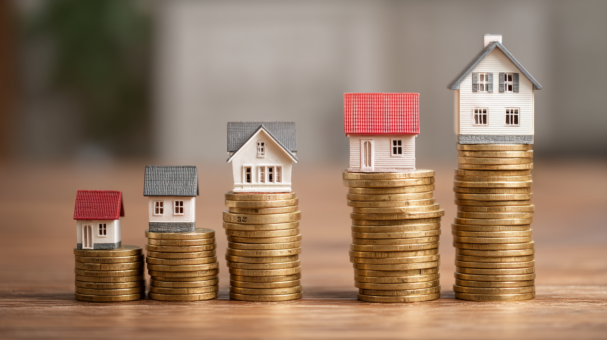
Why Building a House Can Cost More
Building gives you more control, but that control comes with added costs and more moving parts.
Land Purchase and Site Prep
If you do not already own land, buying a lot is one of the biggest added costs. Beyond the land itself, site preparation may include grading, tree removal, soil testing, excavation, drainage, retaining walls, and access roads.
Utility connections can also be expensive. Water, sewer, septic, gas, electricity, and internet access may need to be brought to the property.
Design, Architecture, and Engineering
A new home requires plans. Depending on the project, this may include architectural design, structural engineering, energy calculations, code compliance, and permit-ready drawings.
Custom plans cost more than standard builder plans, but they also allow the home to be designed around your needs.
Materials and Labor
Construction requires lumber, concrete, roofing, windows, insulation, drywall, plumbing, electrical, HVAC, flooring, cabinetry, fixtures, and finishes.
Labor is also a major part of the budget. Skilled trades, project management, inspections, and subcontractor coordination all affect the final price.
Permits, Fees, and Inspections
Cities and counties often require building permits, plan reviews, impact fees, utility fees, and multiple inspections. These costs vary significantly by location.
Permit delays can also affect the timeline, which may increase holding costs or temporary housing expenses.
Change Orders and Upgrades
One of the easiest ways to exceed a construction budget is through change orders. A change order happens when the homeowner changes the design, material, layout, or scope after the project is underway.
Small upgrades can add up quickly, especially with kitchens, bathrooms, windows, flooring, lighting, and exterior finishes.
Average Cost to Build a House in 2026
Build costs vary widely by region, home size, material quality, and complexity. However, many standard new homes fall within a broad range of $150 to $300 per square foot, while custom homes or high-cost markets may exceed $300 to $400+ per square foot.
Cost Per Square Foot
A basic or production-style home may stay closer to the lower end of the range. A custom home with higher-end materials, complex architecture, or premium finishes will usually cost more.
Cost per square foot is helpful, but it should not be the only number you rely on. Two homes with the same square footage can have very different costs depending on design complexity, ceiling heights, rooflines, windows, finishes, and site conditions.
Example Build Cost by Home Size
Here are simple examples using broad 2026 construction ranges:
- 1,500 square feet: $225,000 to $450,000+
- 2,000 square feet: $300,000 to $600,000+
- 2,500 square feet: $375,000 to $750,000+
- 3,000 square feet: $450,000 to $900,000+
These numbers may not include land, site prep, landscaping, utility connections, design fees, or upgrades. That is why homeowners should ask for a full project estimate, not just a base construction number.
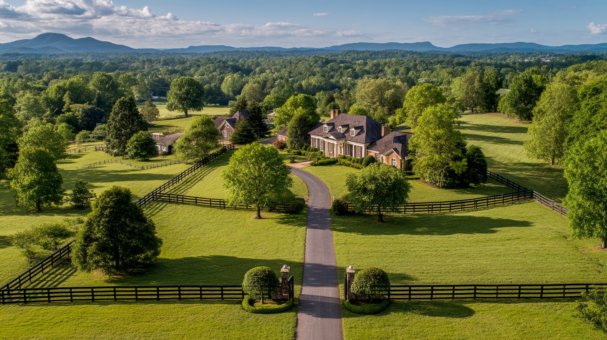
Why Local Market Conditions Matter
Construction costs are local. Labor availability, permit requirements, land prices, material delivery, climate, and code requirements can all affect the total.
A home that costs $350,000 to build in one area may cost much more in a high-demand coastal or urban market.
When Building a House May Be Worth the Higher Cost
Building may not be cheaper upfront, but it can still be the better choice for certain homeowners.
You Want a Custom Layout
A new build allows you to design the home around your lifestyle. That may include a larger kitchen, home office, guest suite, open layout, accessibility features, storage, outdoor living, or future expansion.
Instead of adapting to someone else’s floor plan, you can create a home that fits how you actually live.
You Want Modern Energy Efficiency
New homes can include better insulation, efficient HVAC systems, modern windows, improved air sealing, smart thermostats, solar readiness, and energy-efficient appliances.
These features may reduce long-term operating costs and improve comfort.
You Want Fewer Immediate Repairs
An existing home may need a new roof, HVAC system, water heater, electrical updates, plumbing repairs, or cosmetic improvements shortly after purchase.
A new home starts with new systems, new materials, and current code compliance, which can reduce repair concerns in the early years.
You Want Control Over Design and Quality
Building gives you more control over materials, finishes, layout, and construction details. For homeowners comparing the value of a custom build, working with a professional team like Origami Design Build can help align the home’s design, construction scope, and budget from the earliest planning stages.
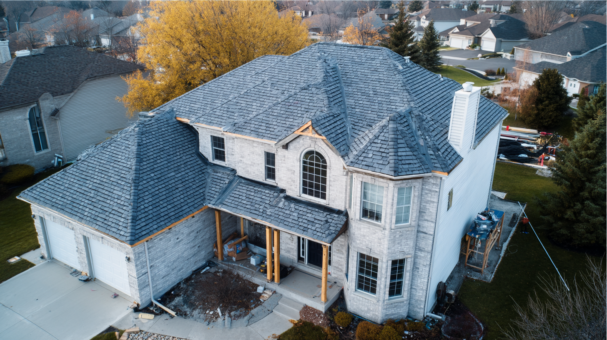
Hidden Costs Buyers Often Miss When Building
Many people underestimate the total cost to build because they focus only on the house itself. The full project often includes much more.
Temporary Housing During Construction
If you are renting while building, you may need to pay rent and construction-related costs at the same time. If you already own a home, you may also have mortgage overlap.
Storage costs can also add up if your belongings need to be kept somewhere during construction.
Landscaping, Driveways, and Outdoor Features
Basic construction estimates may not include landscaping, fencing, patios, decks, irrigation, outdoor lighting, or driveways.
These features can be expensive, especially if the lot needs significant grading or drainage work.
Utility Connections and Infrastructure
Connecting utilities can be a major cost, especially on rural or undeveloped land. Power, gas, water, sewer, septic, well systems, internet, and stormwater drainage may all need to be addressed.
Furnishings, Appliances, and Window Coverings
A new home often requires more post-build spending than expected. Appliances, blinds, curtains, furniture, closet systems, and decor may not be included in the construction contract.
Contingency Budget
Every build should include a contingency budget. Unexpected costs can come from soil conditions, price changes, design revisions, inspection requirements, or material availability.
A realistic contingency helps prevent financial stress during construction.
Building vs. Buying: Which Is Better Financially?
The better choice depends on your goals, timeline, budget, and local market.
Buying May Be Better If You Need Lower Upfront Costs
Buying may be the better option if you want a faster move-in, simpler financing, established landscaping, existing infrastructure, and a more predictable purchase price.
It may also be better in areas where resale homes are reasonably priced and available.
Building May Be Better If You Prioritize Long-Term Fit
Building may be worth it if you want a home that fits your lifestyle, avoids major repairs, includes modern systems, and offers better long-term efficiency.
You may pay more upfront, but you get more control over the final result.
Location Can Change the Answer
In some markets, existing homes are overpriced, outdated, or limited in availability. In those cases, building may become more attractive.
In other areas, affordable resale inventory may make buying the better financial choice.
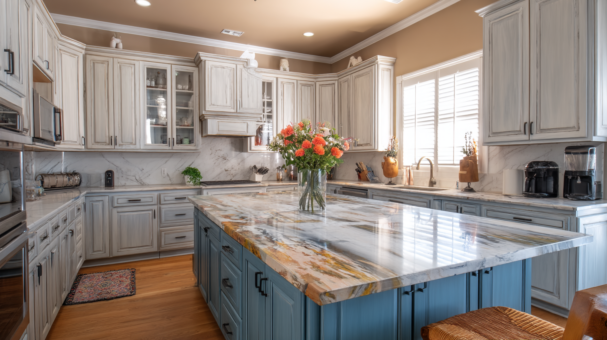
How Design-Build Can Help Control Costs
One way homeowners can manage the complexity of building is by using a design-build approach.
One Team for Design and Construction
Design-build brings the design and construction process under one team. This can improve communication, reduce confusion, and make budgeting more practical.
Budgeting Earlier in the Process
One common problem with custom home projects is designing a home before understanding what it will cost to build. Design-build helps connect design decisions to real construction pricing earlier.
Fewer Gaps Between Designer and Builder
When the designer and builder are disconnected, homeowners may end up with plans that are beautiful but difficult or expensive to build.
A professional company like Skyline Design Build can help homeowners evaluate construction feasibility, budget expectations, and design decisions before committing to a full custom home project.
Questions to Ask Before Deciding to Build
Before choosing between building and buying, ask:
- Do I already own land?
- What is the true cost of site preparation?
- Are utilities already available?
- What is included in the builder’s estimate?
- Are design, engineering, permits, and inspections included?
- How much customization do I really need?
- Can I afford a contingency budget?
- How long can I wait before moving in?
- Will I need temporary housing?
- Am I comparing total build cost against total purchase cost?
These questions help you compare both options more accurately.
Final Thoughts: Is It Cheaper to Build a House?
So, is it cheaper to build a house? Usually, no. Buying an existing home is often cheaper upfront because the land, infrastructure, utilities, and finished structure are already included.
However, building can be a better long-term value for homeowners who want customization, modern efficiency, fewer repairs, and more control over quality. The right choice depends on your budget, timeline, location, and priorities.
Before deciding, compare the total cost of buying with the total cost of building. Include land, permits, site prep, utilities, construction, landscaping, financing, temporary housing, and future maintenance. A clear comparison will help you choose the path that makes the most financial sense for your situation.