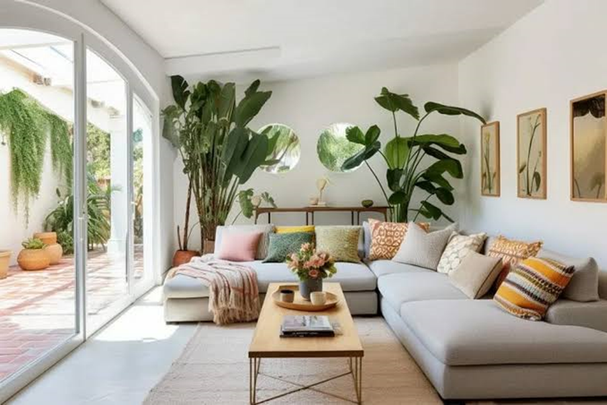
Modern housing design is increasingly focused on making the most of available space, reducing environmental impact and creating comfortable interiors. From tiny houses and compact apartments to self-built eco-friendly homes, homeowners are exploring creative ways to combine functionality with attractive design. One simple addition that can make a significant difference is indoor greenery. Carefully selected massive indoor plants can introduce natural textures, create visual focal points and make compact interiors feel more welcoming.
However, incorporating large plants into a small or sustainable home requires thoughtful planning. Available floor space, natural lighting, water consumption and maintenance all influence which varieties are suitable. With the right approach, oversized greenery can complement DIY building projects while supporting a more natural and balanced living environment.
Why Large Indoor Plants Suit Modern Small Homes?
Small homes often rely on clever layouts, multifunctional furniture and carefully chosen decorative features. Large indoor plants can contribute to this approach by providing a strong visual statement without requiring numerous accessories.
For example, a tall plant positioned beside a window can fill an otherwise unused corner. In an open-plan tiny house, greenery can help distinguish a living area from a workspace without installing a permanent partition. This is particularly useful when maintaining an open feeling is a priority.
Large foliage can also soften the appearance of industrial materials such as exposed timber, concrete and metal. These materials are common in contemporary self-build projects, where durability and straightforward construction often influence design decisions.
The key is to select plants that suit the proportions of the room. A narrow-growing variety may work better in a compact home than one with wide, spreading leaves.
Incorporating Greenery into DIY Building Projects
DIY construction allows homeowners to customise their interiors according to their needs and preferences. When planning a renovation or building project, it is worth considering plant placement before finalising the layout.
A recessed corner, an unused area beside a staircase or a space beneath a high window may provide an ideal location for a large plant. Including these areas in the original design helps prevent pots from obstructing walkways or interfering with furniture arrangements.
Built-in plant platforms are another practical option. A simple timber stand can raise a container off the floor, while a reinforced shelf may support smaller plants at different heights. However, large plants and water-filled containers can be heavy, so any elevated structure must be designed to carry the expected load safely.
DIY enthusiasts can also create decorative planters from reclaimed timber or reuse suitable containers. Materials should be durable, moisture-resistant and appropriate for indoor use. A waterproof liner and suitable drainage arrangement can help protect floors and nearby building materials from water damage.
Smart and Flexible Interiors for Compact Living
Flexible interiors are essential in tiny houses and small homes, where one room may serve several purposes throughout the day. Furniture that folds away, movable partitions and storage integrated into walls can help maximise usable space.
Indoor plants should fit into this flexible arrangement rather than restrict it. A large plant placed in a permanent corner may be more practical than one positioned beside a fold-out dining table or a frequently used doorway.
For homeowners who regularly rearrange their interiors, lightweight decorative containers or suitable wheeled plant stands can make maintenance and repositioning easier. Heavy plants should only be moved using equipment designed for their weight, and wheeled stands must remain stable on the flooring.
Plants can also complement vertical design strategies. While a massive floor plant provides height and visual interest, smaller plants on secure wall-mounted shelves can introduce additional greenery without occupying much floor area. Careful spacing helps maintain a balanced appearance without overcrowding the room.
Eco-Friendly Homes and Sustainable Materials
Sustainable housing projects often prioritise materials that last, reduce waste, and require fewer resources over their lifetime, a design philosophy that indoor planting can thoughtfully support. Reusing suitable containers, choosing durable planters, and incorporating reclaimed materials into decorative stands—or even repurposing leftover timber from a building project that is properly finished and safe for indoor use—can significantly reduce the need to purchase new products. Plant selection matters just as much, as opting for varieties naturally suited to the home’s existing light and temperature conditions minimises the need for artificial lighting or intensive climate control, making them far easier to maintain. However, while indoor greenery certainly enhances the atmosphere of a room, it should never be treated as a substitute for proper ventilation, insulation, or effective air-quality management; truly sustainable homes still rely on sound building practices, efficient design, and appropriate mechanical systems (find sustainable architectural layouts and inspiration at Pin-Up Houses Plans
).
Water Conservation and Off-Grid Technology
Off-grid homes often depend on carefully managed supplies of electricity and water. Large indoor plants can be incorporated into these environments, but their watering requirements should be considered before choosing a variety.
Plants with moderate watering needs may be easier to maintain where water resources are limited. Checking soil moisture before watering helps prevent unnecessary consumption and reduces the risk of root damage caused by excessive moisture.
A self-watering planter can be useful in certain settings because it stores water in a reservoir and supplies moisture gradually. However, it must be suitable for the plant species, and the reservoir still requires monitoring.
Rainwater collection may also be part of an off-grid home’s broader water-management system. Any collected water intended for indoor plants should be stored safely and used appropriately, avoiding contamination and unsuitable water sources.
Smart technology offers additional options. Soil-moisture sensors can help indicate when watering is needed, while automated irrigation systems can support consistent care. These devices should be selected according to actual requirements rather than added simply because a home uses smart technology.
Choosing the Right Plants for Long-Term Success
Before purchasing a large indoor plant, consider its mature dimensions, lighting requirements and maintenance needs. Bird of Paradise plants and fiddle-leaf figs, for example, can become impressive interior features but generally need suitable light and sufficient room to develop.
Rubber plants offer substantial foliage and can work well in many modern interiors when their growing conditions are appropriate. Other varieties may be better suited to lower-light spaces, although no plant should be assumed to thrive in complete darkness.
Check the weight of the container, the strength of the flooring and the availability of drainage before installation. In tiny houses, it is especially important to avoid blocking ventilation grilles, emergency exits or essential access routes.
Pet owners should also check whether a chosen plant is toxic to cats or dogs before introducing it into the home.
Conclusion
Massive indoor plants can complement DIY building projects, tiny houses and sustainable homes by adding greenery, texture and visual interest. Their success depends on integrating them into the design rather than treating them as an afterthought.
By planning suitable locations, choosing durable and reusable materials, managing water carefully and selecting plants that match the available conditions, homeowners can create flexible interiors that feel both practical and inviting. With thoughtful design, indoor greenery can become a lasting feature of a modern home without compromising space efficiency or sus