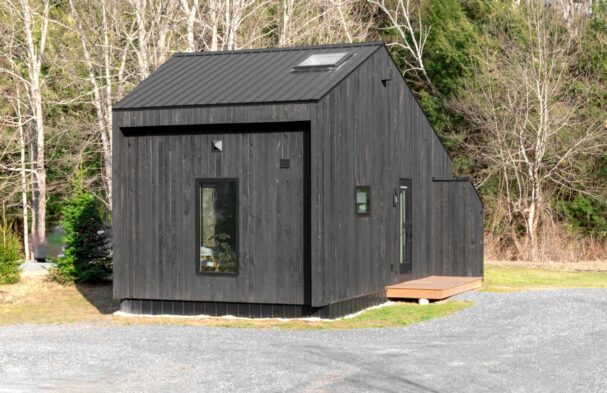
Building a tiny cabin often starts with a simple dream. Some people want a weekend retreat surrounded by nature. Others want a quieter lifestyle, a smaller footprint, or the satisfaction of creating something with their own hands. Whatever the motivation, many cabin owners discover that building small teaches lessons that extend far beyond construction.
One of the first realizations is that limited square footage forces better decisions. Every wall, every storage area, and every piece of furniture has a purpose. Many cabin owners eventually create dedicated spaces for hobbies, remote work, or creative projects, and thoughtful planning becomes especially important when designing spaces that may later support office and studio relocations without sacrificing flexibility or comfort.
The same principle applies to personal belongings. As living spaces become smaller, homeowners often find that downsizing without damaging heirlooms requires careful planning, as sentimental items frequently carry far more value than the space available to store them.
What begins as a construction project often becomes a lesson in intentional living.
Small Spaces Reveal What Actually Matters
One advantage of building a tiny cabin is that it quickly highlights the difference between what people use and what they simply own.
In larger homes, unused items often disappear into spare bedrooms, closets, basements, or garages. It becomes easy to keep things simply because there is room for them. A tiny cabin removes that option.
When space is limited, every item competes for a place. Owners naturally begin asking important questions. Does this serve a purpose? Do I use it regularly? Would I miss it if it were gone?
These questions often lead to simpler living environments that feel more organized and less cluttered.
Every Square Foot Needs a Job
One of the most fascinating aspects of tiny cabin design is how efficiently space can be used. Areas that might serve a single purpose in a larger home often perform multiple functions in a compact cabin.
A dining table may double as a workspace. Built-in benches may provide seating and storage. Loft areas can serve as bedrooms while keeping the main floor open and comfortable.
This type of design encourages creativity. Rather than focusing on how much space is available, owners begin focusing on how effectively that space can function.
The result is often a home that feels larger than its actual square footage would suggest.
Storage Becomes Part of the Design
In many traditional homes, storage is treated as an afterthought. In a tiny cabin, storage becomes part of the design itself.
Successful cabin builders often look for opportunities everywhere:
- Under benches
- Beneath staircases
- Inside furniture
- Above doorways
- Within custom cabinetry
The goal is not to hide clutter but to create systems that make daily life easier.
Thoughtful storage helps maintain the clean, open feeling that attracts many people to tiny cabin living in the first place.
The Emotional Side of Downsizing
One challenge that surprises many cabin owners has little to do with construction. It involves deciding what to bring into the new space.
Physical belongings often represent memories, milestones, and family history. Old photographs, handmade furniture, antiques, artwork, and personal keepsakes can be difficult to part with even when space is limited.
The process of downsizing often becomes an exercise in identifying what truly matters.
Many people discover that they do not need dozens of sentimental items to preserve important memories. A carefully chosen collection of meaningful pieces often creates a stronger connection to family history than rooms filled with unused possessions.
Why Cabin Living Encourages Better Habits
Tiny cabins naturally encourage efficiency.
Cleaning takes less time. Maintenance becomes simpler. Utility costs are often lower. Homeowners become more selective about purchases because they understand that every new item affects the overall balance of the space.
This creates habits that many people find surprisingly rewarding.
Instead of spending weekends organizing clutter or maintaining unused rooms, cabin owners often spend more time enjoying the lifestyle that attracted them to the project in the first place.
Creating Space for Work and Creativity
Modern cabin living is no longer limited to weekend getaways. Many owners use their cabins as full-time residences, remote workspaces, art studios, writing retreats, or creative workshops.
This shift has made flexibility more important than ever.
A well-designed cabin can support professional work while still maintaining the comfort and simplicity that make small-space living appealing. Flexible furniture, adaptable layouts, and intentional storage solutions help make that possible.
The most successful designs recognize that a room’s purpose may evolve over time.
Less Space Doesn’t Mean Less Comfort
One misconception about tiny cabins is that living small automatically means sacrificing comfort.
In reality, many owners report the opposite experience.
When every element of a cabin is intentionally designed, the space often feels more comfortable because it better supports daily routines. There is less wasted space, less clutter, and fewer distractions competing for attention.
Comfort comes from thoughtful design rather than square footage alone.
Building Around Lifestyle Instead of Size
Perhaps the most valuable lesson tiny cabin living teaches is that lifestyle matters more than dimensions.
A larger home does not automatically create happiness. More storage does not automatically create organization. Additional rooms do not automatically improve quality of life.
Tiny cabins encourage owners to think differently. Instead of asking how much space they need, they begin asking how they want to live.
That shift in perspective often influences decisions far beyond the cabin itself.
Final Thoughts
Building a tiny cabin is often about much more than constructing a small structure. It is an opportunity to rethink priorities, simplify daily life, and create a space that reflects what truly matters.
Whether the goal is a weekend retreat, a full-time residence, or a creative escape, tiny cabins offer a unique way to learn about intentional living. By focusing on function, flexibility, and meaningful design, homeowners often discover that less space can actually lead to a richer experience.