

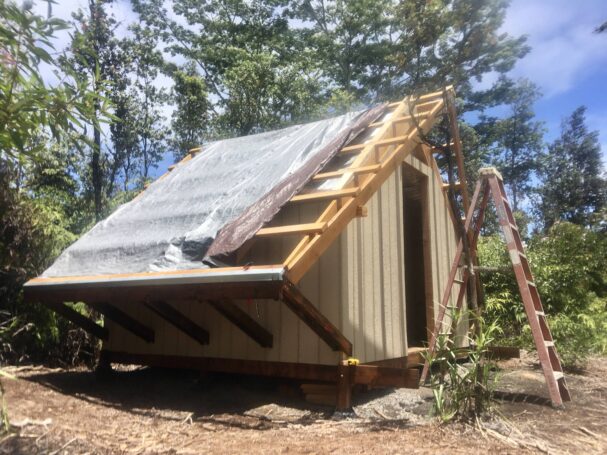
A leak does not always begin where the ceiling turns brown. Rain can enter near a chimney, travel along a board, and finally drip into a room several feet away. By the time someone notices the stain, the path that brought the water there may have been developing for months—a common vulnerability often highlighted in DIY guides on roof construction and framing.

That is why watching where rain goes can be more useful than checking whether the shingles look tidy. A Roofing Company in Eugene, OR may examine valleys, flashing, gutters, and the surrounding roof surface to work out where water should flow and where it could be getting diverted. Multi Contracting offers roof inspections and repairs, making this kind of investigation relevant to the questions homeowners bring to a roofing contractor.
You do not need to climb onto the roof to spot useful clues. A few careful observations during rain, combined with photos taken safely from the ground, can help explain what happens before water reaches the ceiling.
Why Water Does Not Spread Evenly Across a Roof
Rain follows the roof’s slope, but it does not travel in equal amounts over every section. A small porch roof may collect only the rain falling onto it. A valley where two larger slopes meet can carry runoff from both sides at once.
That difference matters because some details receive much more water than others. A shingle near the middle of an open slope does a relatively simple job: it helps shed water onto the layer below. Flashing around a chimney or at the base of a wall has a harder task. It must send water around an interruption without letting it slip into the joint.
A well-performing roof uses overlapping materials and carefully arranged drainage paths. Water should travel down and away, rather than behind the surfaces intended to protect the house.
Valleys Can Reveal Problems Before a Leak Appears
Roof valleys act like channels. When a storm sends water down two slopes, the flow becomes concentrated where they meet. That makes the condition of the valley especially important.
Look for debris that keeps returning
Leaves and small branches may lodge in a valley and remain there after the rest of the roof clears. A thick pile can slow runoff and encourage water to move sideways toward vulnerable edges. Repeated buildup is worth noting, even if there is no visible leak.
Do not try to clear a steep or wet valley yourself. Photograph the area from a safe vantage point and ask a qualified roofer to check whether the buildup is affecting drainage or covering damage.
Watch for uneven wear
Water moving through a valley can carry grit and debris. Over time, the material in that narrow channel may show different wear from nearby slopes. The important question is not simply whether the valley looks old, but whether its covering and adjoining shingles still guide water downward as intended.
Flashing Has to Lead Water Around Obstacles
Chimneys, skylights, vents, and walls interrupt the roof surface. Flashing helps bridge these transitions. When properly installed and maintained, it directs rain away from joints where roofing materials meet another surface.
Consider a chimney. Water reaches its uphill side and needs to move around both corners. If the flashing is loose, poorly integrated, or damaged, water may find an opening even though the nearby shingles remain intact.
Something similar can happen at a roof-to-wall connection. A damp mark on siding below that intersection may be a useful clue, but it does not prove the entry point. Water sometimes travels before it becomes visible. An inspection should trace possible routes instead of assuming the nearest stained surface is the source.
What an Overflowing Gutter Can Tell You
A gutter collects runoff that has already made its way down the roof. If it is blocked or slopes incorrectly, water may spill over its front edge or back toward the fascia. Moisture near an eave can then resemble a roof leak.
Watch the gutter during steady rain while staying at ground level. Is water overflowing in only one spot? Does it pour over a long section? Does a downspout appear to discharge normally? The pattern helps narrow the possibilities.
A localized overflow may suggest debris at that point, while a persistent problem can involve the gutter’s slope, outlet, or capacity. None of these possibilities should be treated as a diagnosis without inspection.
Follow the downspout to the ground
Water that leaves the gutter still needs a safe destination. A downspout discharging beside a foundation may cause splashing or standing water around the building. That is a drainage issue rather than necessarily a defect in the roof covering, but the two can be connected by the same runoff path.
Standing Water Means Different Things on Different Roofs
On a steep roof, rain normally travels away quickly. A damp patch that lingers after nearby areas dry could come from shade, debris, or an unusual surface condition. One observation alone may not identify a defect.
Low-slope roofs require a different assessment. Water can sometimes remain briefly after rainfall, but recurring ponding that persists well after surrounding areas dry deserves professional attention. The roof’s drainage design, surface condition, and seams all need to be considered before deciding on a remedy.
Adding sealant or cutting an opening without understanding the roof assembly can create new problems. The repair should respond to the reason water remains there.
Why the Inside Stain May Point to the Wrong Spot
Water does not have to fall straight down after entering a roof. It can move along sheathing, framing, underlayment, or a pipe until it reaches an edge where it finally drips.
Suppose a bedroom ceiling develops a stain near the exterior wall. The entry point could be above that stain, but it might also be farther uphill near a vent. Repairing only the ceiling would hide the evidence without stopping the moisture.
When Multi Contracting or another qualified contractor investigates a leak, a useful approach is to compare the exterior drainage routes with evidence in accessible attic spaces. Staining, damp insulation, or deteriorated materials can provide clues, although some marks may remain from older, resolved leaks.
What You Can Record During the Next Rainstorm
You do not need special equipment to gather helpful information. Stay indoors or on firm ground, keep clear of electrical hazards, and note what you can see without climbing.
- Record which part of the roof appears to collect leaves or debris.
- Note whether water spills over a gutter in one spot or along its length.
- Photograph runoff striking siding or a lower roof surface.
- Check whether a ceiling drip appears during light rain, heavy rain, or wind-driven rain.
- Write down when the problem begins and how long visible moisture remains afterward.
Photos taken on different days can show whether a condition keeps recurring. A brief written record can be more helpful to an inspector than a general description such as “the roof leaks sometimes.”
If a ceiling is sagging, water is near electrical fixtures, or you suspect the roof structure is unstable, avoid the affected area and seek appropriate professional help promptly.
Ask Where the Water Is Supposed to Go
A careful roof assessment should give you more than the name of a damaged part. Ask what route rain should follow, where it appears to be entering or collecting, and what evidence supports the recommended repair. If a roofer proposes replacing a whole section, ask why a smaller repair would or would not address the cause.
An inspection may find a flashing problem, a drainage obstruction, worn roofing materials, or several issues working together. The most useful recommendation explains how the proposed work changes the water’s path rather than merely covering the visible stain.
A roof is meant to move rain off the building in a controlled way. When that movement changes, small clues can appear long before the damage becomes obvious indoors. Paying attention to those clues gives you better questions to ask and a clearer way to judge the answers.