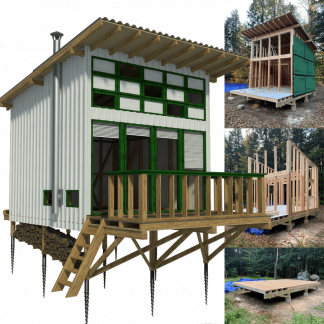
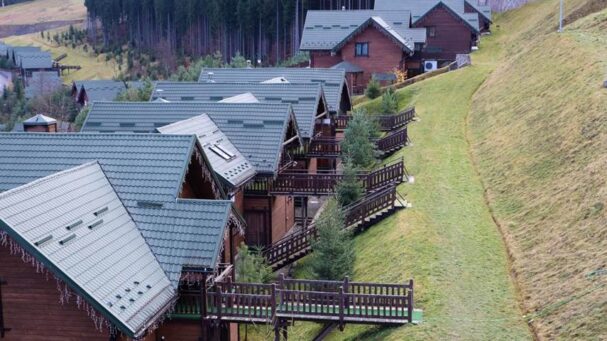
Off-grid living has evolved far beyond its original niche identity. What was once associated primarily with remote cabins and highly minimalist lifestyles has increasingly become part of broader conversations surrounding sustainability, energy independence, flexible living, and long-term residential resilience. Modern off-grid homes now range from compact tiny houses and prefabricated cabins to architect-designed retreats equipped with advanced energy systems, water collection infrastructure, and high-efficiency construction materials.
As this style of living becomes more sophisticated, homeowners are paying far closer attention to the structural systems that allow off-grid properties to function reliably over long periods without constant maintenance or utility dependence. Roofing has become one of the most important parts of that equation.
For off-grid homes, roofing systems do much more than protect the structure from rain or sunlight. They directly influence energy efficiency, temperature regulation, ventilation performance, water management, solar integration, and long-term durability in environments where repair access may be limited and weather exposure can become far more demanding.
Off-Grid Homes Face Different Structural Demands
Unlike suburban properties connected to extensive municipal infrastructure, off-grid homes often operate in isolated or environmentally exposed locations. Mountain regions, forested areas, desert landscapes, coastal environments, and remote rural sites all place unique forms of stress on residential structures throughout the year.
Strong winds, prolonged heat exposure, heavy rainfall, snow accumulation, falling debris, and fluctuating seasonal temperatures can accelerate roofing wear much faster than many homeowners initially expect. In remote locations, even relatively small roofing failures may create major complications if leaks, moisture intrusion, or ventilation issues go unnoticed for extended periods.
Because of this, off-grid homeowners increasingly prioritize roofing systems designed around long-term performance rather than short-term affordability alone. Material durability, drainage efficiency, insulation compatibility, and weather resistance often become central considerations during the design phase itself.
This shift reflects a broader understanding that exterior reliability directly affects the sustainability and livability of off-grid properties over time.
Roofing Efficiency Plays a Bigger Role in Small Homes
Many off-grid properties also operate with smaller footprints than traditional residential homes. Cabins, tiny houses, modular retreats, and compact prefabricated structures often rely on highly efficient use of limited interior space.
That efficiency places additional importance on ventilation coordination and moisture management. Small structures can experience temperature fluctuations and humidity buildup more rapidly than larger homes if airflow systems are poorly designed or roofing materials fail to regulate heat effectively.
A roofing issue in a compact off-grid home rarely stays isolated to one area. Moisture buildup, inadequate insulation, or insufficient attic ventilation can quickly affect indoor comfort, energy performance, storage areas, and even air quality throughout the entire structure.
As a result, roofing design in modern off-grid construction increasingly focuses on balancing insulation performance, airflow regulation, water shedding, and long-term durability simultaneously rather than treating them as separate building concerns.
Water Management Is Critical in Remote Environments
Water management has become another major factor influencing roofing priorities for off-grid homes. Many remote properties depend partially or entirely on rainwater collection systems, making roof condition and drainage quality especially important.
Roof angles, gutter coordination, runoff control, flashing installation, and surface material selection all influence how efficiently water can be collected, diverted, and managed across the property. Poor drainage planning may create erosion problems, moisture damage, foundation instability, or reduced water collection efficiency over time.
In heavily wooded or storm-prone regions, debris accumulation can also create drainage blockages that place additional strain on roofing systems. Because off-grid homeowners may not have immediate access to maintenance services, preventative exterior planning becomes particularly valuable.
This has encouraged many property owners to prioritize roofing materials and drainage systems capable of handling prolonged environmental exposure with minimal ongoing intervention.
Solar Integration Is Reshaping Roofing Design
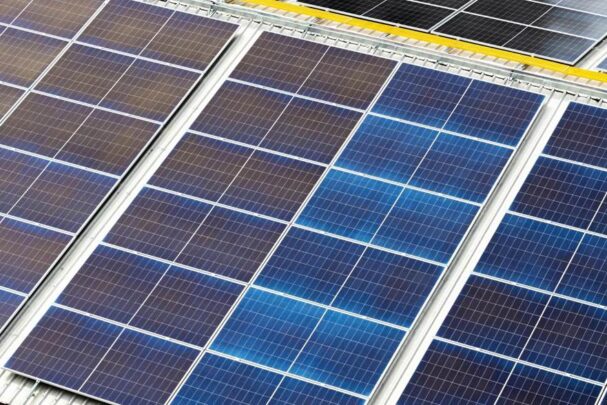
The rapid growth of solar energy adoption has also changed how roofing systems are planned for off-grid homes. Roof orientation, structural support capacity, ventilation spacing, and long-term material durability now influence energy generation potential directly.
A roof designed without considering future solar integration may create installation limitations, reduced energy efficiency, or premature maintenance challenges later. Because of this, many modern off-grid projects incorporate roofing layouts specifically designed to accommodate solar panels from the beginning of the construction process.
Durability matters even more when solar systems are involved. Replacing or repairing roofing beneath mounted solar equipment can become expensive and logistically difficult if the underlying structure was not designed for long-term reliability.
Builders working on remote residential projects increasingly focus on roof systems that support proper drainage, ventilation airflow, and long-term structural stability alongside renewable energy integration. Exterior contractors including Altair Austin Roofing Company often handle projects involving impact-resistant shingles, upgraded flashing systems, heat-resistant roofing materials, and water-management improvements designed to help residential properties withstand prolonged environmental exposure while maintaining consistent structural performance over time.
Climate Conditions Continue Affecting Material Selection
Climate variability has become one of the biggest influences shaping modern off-grid construction decisions. Regions experiencing extreme heat, stronger storms, wildfire risks, prolonged rainfall, or rapid seasonal changes require roofing materials capable of handling more demanding environmental conditions than in previous decades.
Off-grid homeowners increasingly look for roofing systems that combine durability with energy efficiency and reduced maintenance requirements. Reflective roofing surfaces, fire-resistant materials, reinforced underlayment systems, and improved moisture barriers have become more common across remote residential projects.
According to The U.S. Department of Energy, roofing materials and ventilation performance play a major role in residential energy efficiency, particularly in climates exposed to significant heat gain and temperature fluctuations. These concerns are especially relevant for off-grid properties where energy conservation directly affects long-term operational sustainability.
As environmental conditions continue evolving, roofing performance is increasingly viewed as part of broader resilience planning rather than basic weather protection alone.
Sustainable Construction Requires Long-Term Thinking
The rise of off-grid living has also encouraged greater interest in sustainable construction practices overall. Homeowners investing in remote or semi-independent properties often prioritize building systems designed to reduce waste, minimize maintenance demands, and improve long-term efficiency.
This mindset naturally increases the importance of durable roofing materials capable of lasting for decades with limited intervention. Frequent repairs, material replacement, or recurring structural failures undermine many of the sustainability goals associated with off-grid architecture.
Because of this, builders and homeowners increasingly evaluate roofing systems based not only on appearance or upfront cost, but also on lifespan, maintenance requirements, insulation compatibility, and long-term environmental performance.
Exterior durability is becoming closely connected to broader ideas surrounding responsible construction and practical self-sufficiency.
Roofing Reliability Has Become Central to Off-Grid Design
Modern off-grid homes depend heavily on structural systems that can operate reliably in demanding environments over extended periods. Roofing now plays a far larger role in that equation than many homeowners initially realize.
Ventilation performance, moisture control, drainage coordination, insulation support, solar compatibility, and weather resistance all influence how effectively off-grid homes function day after day. In remote settings where maintenance access may be limited, durable roofing systems become even more important for protecting both the structure itself and the lifestyle built around it.
As off-grid living continues expanding beyond niche markets into mainstream residential design, roofing reliability will likely remain one of the most important factors shaping how these homes are planned, constructed, and maintained for the future.