Few architectural periods have left as persistent a mark on the British home as the Edwardian era. Spanning just the first decade of the twentieth century, this relatively brief window of building activity produced a housing stock that continues to shape how Londoners live, renovate, and think about domestic space over a hundred years later. What made Edwardian architecture so enduring was not simply its aesthetic appeal, though that is considerable. It was the underlying logic of the buildings themselves: generous proportions, an emphasis on natural light, and a confidence in craftsmanship that has proved difficult to improve upon.
That legacy is most evident when homeowners begin restoring or upgrading period properties. Nowhere is this more apparent than in the demand for Edwardian sash windows, which have become one of the most sought-after features in London’s renovation market, not just for heritage reasons, but because the design principles behind them align remarkably well with what contemporary homeowners actually want from their living spaces.
Light as a Design Principle
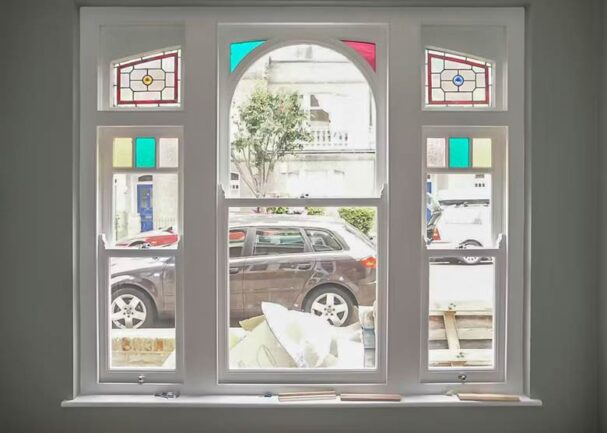
Victorian architecture, for all its richness, often produced relatively dark interiors. The move toward larger panes, wider openings, and reduced glazing bar profiles that characterised the Edwardian period was a deliberate architectural response to that constraint. Edwardian builders understood that light transforms a room, and they designed windows accordingly. Taller sashes, cleaner proportions, and upper sashes with delicate decorative bars above a broad, clear lower pane became the defining visual signature of the period.
This instinct toward luminosity maps directly onto the priorities of modern interior design. Open-plan living, minimal window treatments, and an appetite for rooms that blur the boundary between inside and outside all depend on windows that maximise light without creating visual clutter. The Edwardian sash window, refined through genuine craftsmanship rather than mass production, answers that brief as well today as it did in 1905.
The Bay Window and Borrowed Space
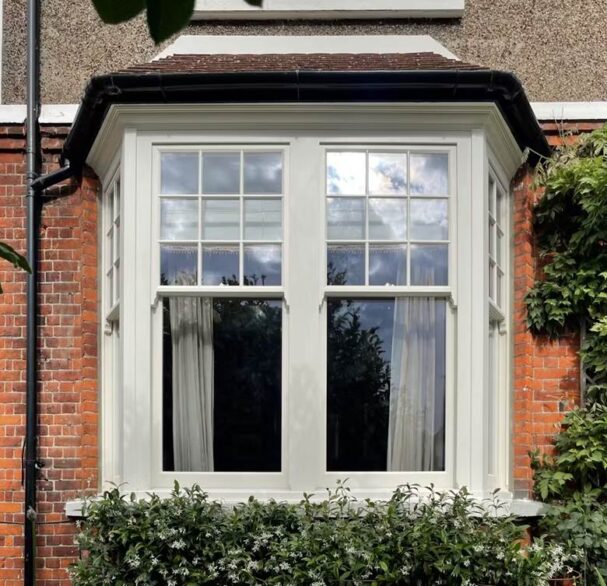
One of the most practical Edwardian architectural contributions to modern living is the widespread adoption of the bay window. Where earlier periods treated bays as a structural statement or a decorative flourish, Edwardian builders used them functionally, to extend usable floor space, create seating areas, and bring three-directional light into principal rooms.
Contemporary homeowners have rediscovered exactly how valuable this configuration is. A well-proportioned bay in a living room or bedroom changes the character of the entire space. It creates depth, establishes a focal point, and generates the kind of natural layering that interior designers spend considerable time and money trying to achieve through furniture and lighting. The bay sash window, properly restored or replaced with a like-for-like bespoke timber unit, is doing considerable architectural work that modern equivalents rarely replicate.
Decorative Detail
Edwardian architecture occupied a transitional moment between the decorative excess of high Victorian taste and the stripped-back aesthetic that would follow with the modernist movement. The result was a style characterised by ornament that earned its place. Leaded upper lights, coloured glass panels, arched heads, and carefully moulded frames were used with enough restraint to enhance rather than overwhelm.
This balance resonates strongly with contemporary sensibilities. Homeowners who want a home with character but are wary of anything that reads as fussy or overdone find in Edwardian joinery a satisfying middle ground. The detailing is present and beautiful, but it never competes with the life being lived in front of it. Reproducing that balance in a replacement window requires a genuine understanding of the originals, their profiles, their glazing bar dimensions, and the specific way light falls through decorative glass at different times of day.
Why Getting the Replacement Right Matters
Edwardian properties in London are among the city’s most coveted, and their value rests substantially on their architectural integrity. A poorly chosen replacement window does not simply look wrong. It disrupts the proportional logic of the facade, undermines the character of the interior, and in many cases runs contrary to conservation area requirements that mandate like-for-like replacement.
Getting it right means working with craftsmen who understand not just how to make a window, but how Edwardian windows were originally conceived and why each detail was placed the way it was. The slim profiles that defined the period require precision manufacturing. The decorative elements that distinguish one Edwardian property from its neighbour require skill to replicate accurately. And the performance requirements of a modern London home, double glazing, draught-proofing, sound insulation, need to be integrated without compromising the visual character that makes these properties worth restoring in the first place.
Edwardian architecture did not produce timeless homes by accident. It produced them through considered design, skilled labour, and an understanding of how people actually want to live. Those principles have not dated.