Small-home fans tend to arrive at the same fork in the road. You like the idea of living with less, and you have some land or access to a backyard, but you are not sure whether to build a tiny house on wheels or a permanent accessory dwelling unit, usually called an ADU. Both are compact, both can be beautiful, and both can be built with a lot of care. They are still very different projects.
This guide compares the two on the points that decide most projects: legal status, where each can go, cost, comfort, and long-term value. It is written for people who are still deciding, so it ends with a quick way to choose.
Two Small Homes, Two Different Sets of Rules
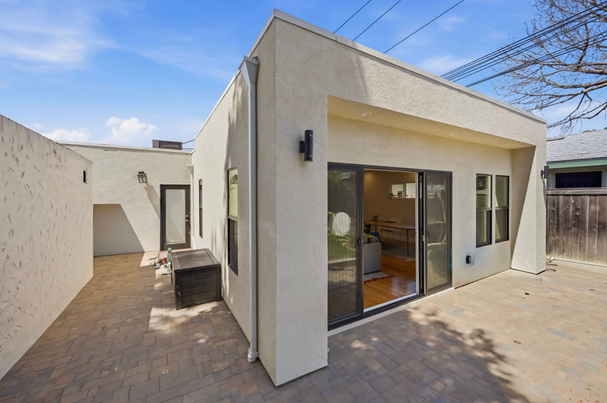
A tiny house on wheels is built on a trailer and is usually treated as a vehicle. In many places it is classified like a recreational vehicle, which can limit where it may be parked and whether anyone may live in it full time. An ADU is a permanent dwelling built on a foundation, connected to utilities, and approved through the local permit process like any other home.
That difference shapes everything that follows. A tiny house on wheels offers freedom to move, while an ADU offers legal standing as housing. If you plan to stay in one place for years, the second matters more than most buyers expect.
Where Each One Can Go
Zoning is the first hurdle for a tiny house on wheels. Some cities and counties allow them only in RV parks or on a short-term basis, and others do not allow full-time living in them at all. Rules vary by location, so check with your local planning department before you buy or build.
ADUs have a clearer path in many states. California, for example, has passed laws that limit how much local governments can block backyard homes, which is why ADUs have become common in cities like San Diego. Even so, every lot has its own limits on setbacks, height, utilities, and size, so the first step is a site review. Working with a team experienced in building a permitted ADU in San Diego can save months by catching those limits before the drawings are final.
What Each One Costs
A tiny house on wheels usually costs less to build, and many owners build part of it themselves. The savings can shrink once you add land or a parking spot, hookups, and the cost of moving it.
An ADU costs more because it is a full building with permits, utility connections, and site work. In San Diego, a detached ADU commonly runs from about $200,000 to $450,000 or more, depending on size, finishes, and site conditions. Permit fees, school impact fees, and utility connections add to that total, so ask any builder for an all-in estimate and not just a construction price.
The higher price buys something a trailer does not: a permanent home that can be financed, insured, and rented in the same way as any other residential property.
Comfort and Design
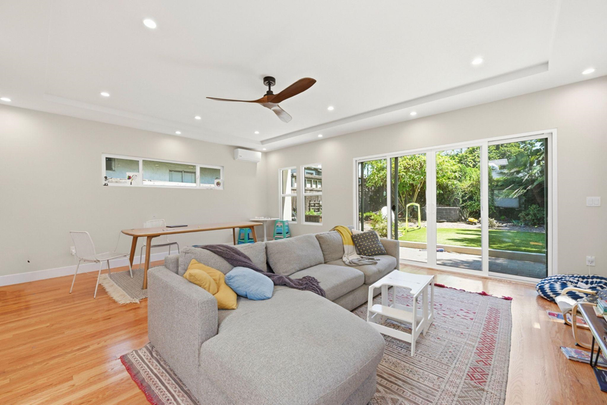
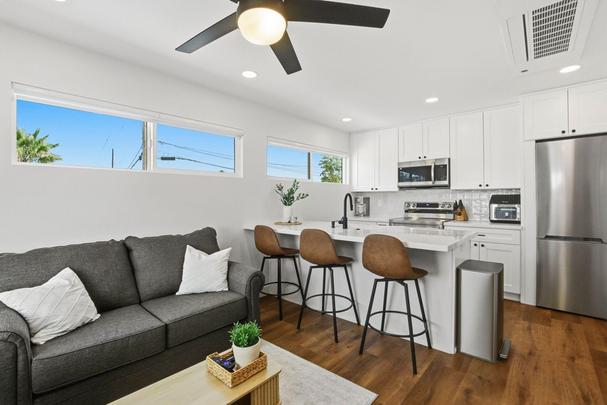
Tiny houses on wheels are limited by road rules. Width, height, and weight caps keep the footprint small, which pushes designers toward lofts and fold-away furniture. An ADU can be larger, with taller ceilings, a full kitchen, a normal bathroom, and a floor plan that does not change when the owner sits down.
That extra room helps long-term livability. If the home is for a parent, an adult child, or a long-term tenant, the ability to host a table, a proper bed, and a few friends often matters more than clever storage tricks.
Value, Financing, and Resale
A tiny house on wheels tends to behave more like a vehicle than real estate. It can lose value over time, and lenders often treat it differently from a mortgage property. A permanent ADU adds square footage to your property, may support rental income, and can usually be financed with tools used for home improvements, such as a home equity line or a cash-out refinance.
If the goal is flexibility, a trailer can be the right choice. If the goal is to build equity and housing that lasts, an ADU is the more practical path.
A Quick Way to Choose
A tiny house on wheels is likely the better fit if you want to move, if you have a legal place to park it, if you plan to do much of the work yourself, and if you are comfortable with a very small floor plan.
An ADU is likely the better fit if you want a permanent home on your property, if you need space for family or a tenant, if you want to build equity, and if you are ready to go through permitting.
Many people end up somewhere between these, such as a small ADU built with the same thoughtful, space-saving design they admired in tiny houses. The ideas travel well: built-in storage, strong natural light, and rooms that earn their square footage.
Before You Decide
Start with three questions. Can you legally live in the structure on your land? What is the full cost, including permits, utilities, and site work? And what do you want the home to be doing for you in ten years? Your answers will usually point to the right choice faster than a floor plan will.
Whichever route you take, confirm the local rules first, get a written estimate, and design around how you actually live. A small home works best when every square foot has a job.
About the Author
Elements Design & Build is a design-build remodeling firm based in San Diego, California, specializing in room additions, ADUs, and full home renovations from concept through construction.