
Warehouse construction costs frustrate many business owners who expect durable facilities without overwhelming financial pressure. Modern commercial properties require reliable structures that support storage demands and protect valuable equipment. Business managers appreciate practical and sturdy solutions that reduce maintenance expenses while preventing expensive structural complications.
A steel building delivers flexible space for a storage facility alongside remarkable durability for expanding commercial operations. Careful construction planning helps property owners avoid unnecessary repair bills and lengthy project completion delays. This article outlines practical steel warehouse benefits that help companies reduce expenses without sacrificing structural quality—while highlighting how these exact same principles make steel an exceptional choice for rigid tiny houses and mountain cabins.
Low Repair Needs Help Your Budget
Frames of a steel structure building resist moisture damage, severe storms, and structural pressure better than many traditional construction materials available. Property owners face fewer repair appointments since durable materials maintain dependable support during difficult environmental conditions. Strong wall panels protect stored products from outside damage, although occasional inspections remain necessary for complete long-term reliability. Reduced maintenance expenses create financial relief for businesses that prefer stable budgets without unexpected property repair concerns developing.
Extreme Stability: From Commercial Hubs to Mountain Cabins

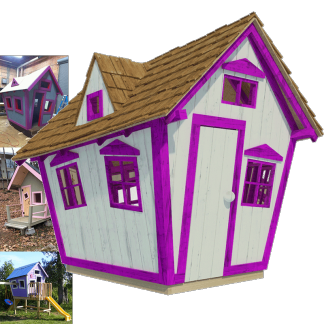
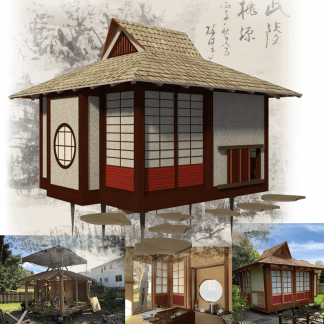
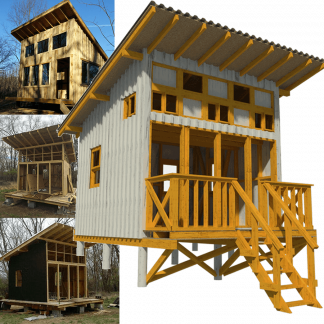
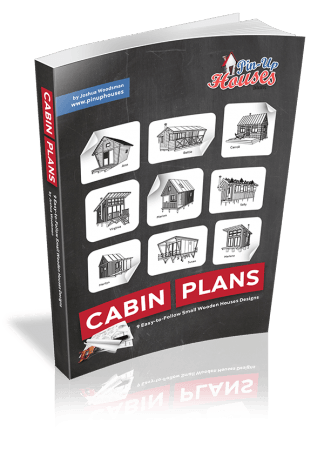
The massive load-bearing capacity that keeps warehouse roofs secure under industrial equipment also translates directly to compact residential architecture. Builders are increasingly incorporating structural steel elements into tiny houses and off-grid retreats. For those planning a compact build, exploring layouts from Pin-Up Houses Cabin plans provides practical inspiration for small-footprint living.
Integrating steel elements into cabins is especially vital where extreme environmental stability is mandatory:
- High-Mountain Environments: In elevated regions, structures endure punishing wind shear and massive snowdrifts. A steel subframe or frame provides the rigidity needed to carry heavy snow loads without sagging or shifting over time.
- Seismic Zones: Steel possesses ductile properties, allowing it to absorb kinetic energy and flex under stress rather than snapping. In earthquake-prone areas, steel-reinforced tiny houses and cabins stay anchored and structurally sound when traditional framing faces catastrophic failure.
Fast Setup Cuts Labor Costs
A steel building arrives with pre-cut parts, which helps crews complete projects within shorter construction schedules. Business owners avoid lengthy labor costs because organized layouts reduce confusion and simplify each important construction phase. Clear assembly methods help contractors maintain steady progress, although rough weather sometimes causes minor project interruptions. Faster warehouse completion allows companies immediate operational access, which supports revenue plans and reduces temporary storage expenses. In the cabin and tiny house sphere, pre-fabricated steel components similarly allow remote setups to be assembled rapidly before seasonal weather sets in.
Wide Open Floor Plans Add More Value
Steel building designs support spacious stockroom interiors, which provide excellent flexibility for equipment placement and inventory organization. Large interior sections permit forklift movement without constant obstruction, which helps workers complete warehouse tasks without delays. Business owners adjust floor arrangements whenever the company demands a change. Flexible layouts support future operational goals, as unused space becomes available for storage, packaging, or distribution activities. In small cabins, steel framing eliminates the need for bulky interior support partitions, maximizing every square inch of usable living area.
Energy Savings Stay With You Year After Year
Steel warehouse systems support quality insulation products, which help indoor temperatures remain comfortable during difficult seasonal weather conditions. Lower heat transfer reduces utility bills substantially. Proper roof and wall insulation improves workplace comfort, although occasional inspections help maintain consistent indoor temperature control. Energy-efficient steel structures also support sustainable and long-term resource conservation goals.
Sustainable Benefits Of Energy-Efficient Steel Buildings
Here is how these buildings support sustainable approaches across commercial and small-scale builds:
- Reduced energy waste lowers overall electricity consumption.
- Durable steel materials reduce unnecessary replacement needs.
- Proper insulation supports balanced indoor temperatures.
- Lower power usage decreases environmental impact.
- Long-lasting structures reduce material disposal concerns.
- Efficient climate control systems support responsible resource usage.
- Recyclable steel components support cleaner construction practices.
Future Expansion Feels Simple And Cost-Effective
Metal buildings allow practical expansion plans, which help businesses avoid expensive property relocation decisions. Additional sections connect smoothly with existing warehouse frames because compatible structural components support efficient project completion timelines. Owners preserve operational continuity during expansion projects, although construction noise occasionally creates temporary inconvenience. Simple expansion options help businesses prevent unnecessary expenses connected with complete facility replacement projects.
Reliable warehouse construction supports business stability and protects valuable equipment from unnecessary structural repair expenses. A steel structure building provides durability, flexible layouts, and practical financial advantages for expanding commercial storage requirements. At the same time, the unmatched strength of steel ensures that whether you are constructing a 10,000-square-foot distribution hub or an alpine tiny house perched on a ridge, the building remains secure through any climate. Contact experienced contractors and secure a sturdy warehouse or small-scale steel installation for lasting performance.