
A small cabin can feel unfinished in a funny way. You can finish the roof, hang the door, paint the walls, and still feel that something outside is not quite done yet. Very often, it is the deck.
Maybe the boards are still solid, but the color feels worn out. Maybe the stairs function well, but they look like they were added too quickly. Or maybe the open space under the deck keeps drawing attention every time someone walks up to the house. None of that automatically means a new deck or full renovation is needed. For many homeowners, one focused upgrade can create a smoother connection between the cabin and the backyard, especially when deck design choices support daily life instead of only changing the outdoor area on the surface.
Deck Color Ideas for Cabin Deck Boards That Feel Right With the Cabin
Good deck color ideas usually start by looking around, not by looking at samples. What is next to the deck? Trees, stone, grass, water, a gravel path, a small garden, dark siding, white railing? Nature-inspired neutrals often work well because they balance a softer outdoor look with the practical need to hide dirt, debris, and daily wear. That simple check often leads to better design ideas because the deck surface needs to complement the siding, landscaping, and overall design instead of competing with them.
Warm cedar and honey tones keep the wood character visible, especially when the deck needs to pair with light-colored siding or stone accents. Rich browns, such as walnut or espresso, can bring stronger contrast against a lighter house, which is why they often fit traditional Colonial or Ranch-style homes. Weathered grays feel quieter and more current, especially near water or in a shaded yard. Greige, taupe, light brown, and mid-tone gray are practical too because they are more forgiving with dirt and seasonal debris than very pale boards. These different colors can either keep the cabin quiet and natural or make a bold statement, depending on the level of visual appeal and aesthetic appeal the owner wants to achieve.
Multi-tonal boards are a smart option for decks that see everyday traffic. They add visual interest without drawing too much attention, and they can help camouflage minor flaws, seasonal dirt, chair marks, pet wear, or muddy boot prints better than many solid colors. For a cabin that gets real use, not just weekend photos, that kind of visual interest can enhance the deck without making it feel overdesigned.
Composite Deck Skirting Ideas for the Part Everyone Notices
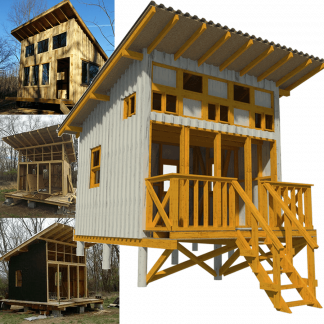
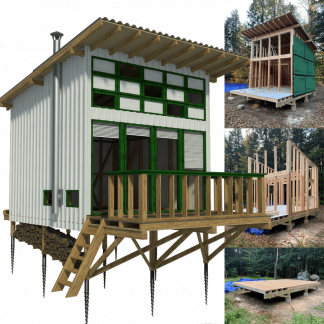
Raised cabins often have a plain open area under the deck. At first, you may not care. Then one day you stand back from the backyard and realize the deck looks unfinished from below. That space beneath the boards can affect the whole cabin’s appearance, even when the main walking surface still looks solid.
Deck skirting ideas matter when the open area beneath the deck keeps distracting from the rest of the space. Skirting can cover that gap, help keep debris and animals out, and give the deck a more finished-looking base. It cannot be treated like a solid wall, though. The space under the deck still needs airflow. Otherwise, moisture can sit there and cause problems behind a cleaner-looking finish.
Lattice is the familiar, affordable route. It lets air pass through and can work well near garden beds, climbing plants, or storage areas for gardening tools. Decorative panels can add character without making the deck feel busy. Simple patterns, texture, or a contemporary finish can all work, depending on the cabin and the yard. Stone-style skirting may fit well when there are already pavers, stone steps, retaining walls, or heavier landscape elements nearby. Used carefully, these different materials can help the lower part of the deck blend seamlessly with the rest of the cabin.
Composite deck skirting is useful when the goal is low-maintenance solutions. It resists weathering and insects better than many wood options, making it a durable choice for homeowners who want the deck to keep a cleaner appearance with less upkeep over time. If the deck itself is composite, matching the skirting can make the design feel more complete and support a seamless transition between the upper boards and the base. A darker skirting shade can also make a raised deck feel more grounded, while cleaner panel lines can support a modern aesthetic without making the cabin look too polished.
A few useful facts to keep in mind:
- Deck skirting can improve the look of the deck and help protect the underside.
- Lattice panels allow airflow, which helps around wood framing.
- Composite skirting is often easier to care for than traditional wood.
- Light deck colors can feel cooler under bare feet in sunny areas.
- Stairs should feel steady and comfortable, not steep or narrow.
- In many places, railings are required when there are four or more steps.
Deck Stairs Should Feel Like Part of the Design
Deck stairs usually go unnoticed when they are planned well. The problems show up when they feel too steep, too narrow, poorly placed, or too close to something like the grill. Even one awkward stair decision can make the outdoor living space less comfortable in daily use.
A good staircase should guide people naturally from the door to the yard, patio, garden, or seating space. Traditional deck steps often use about 10 to 12 inches of tread depth and about 6 to 7.75 inches of rise to support comfortable movement. A width of around 36 inches is commonly used for easier, more comfortable access.
Open riser stairs can help the deck feel less heavy, especially when the stairs face a view or work with a modern cabin design. By removing the vertical components between each step, they improve visibility and create a more spacious feel. Still, the style has to fit the deck. White railings can brighten dark boards. Darker railings can define lighter colors. A little lighting near the stairs can also improve safety and make the deck feel better after dark.
A Small Deck Project Can Change How the Outdoor Space Feels
A deck project does not need to be dramatic to make a real difference. Built-in seating can make a small deck easier to use and more inviting. Planters can soften the edges. Lighting can make evenings better and extend the deck’s function after sunset. A new color can wake up older boards. Fresh skirting can make the construction below feel complete instead of forgotten. Even a small renovation can be a fantastic way to bring more life to the cabin without changing its honest character.
There is one catch. A deck remodel should not start by hiding problems under a cleaner finish. Soft boards, loose railings, shifting stairs, mold, trapped moisture, or damaged framing need to be checked first. If the surface looks worn but the structure is still solid, the project may only need targeted updates. If the frame is weak, the project needs a different plan. This is where designers and repair professionals often look past surface inspiration and focus on what the deck can safely support, so homeowners can explore updates that lead to the right result.
For larger changes, deck update guidance for homeowners can help connect the practical parts with the design choices: color, skirting, stairs, railings, materials, and maintenance.
A cabin deck does not have to look perfect. In fact, perfect can feel a little strange on a cabin. A good deck should feel useful, honest, and natural for the house. The boards, stairs, skirting, and colors should look like they belong together. When they do, the deck no longer reads as an add-on. It feels like the cabin’s connection to the outside world.