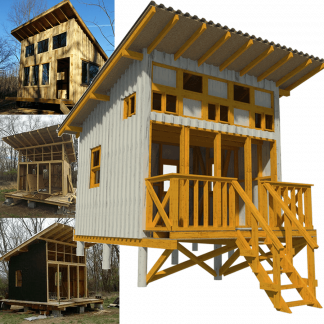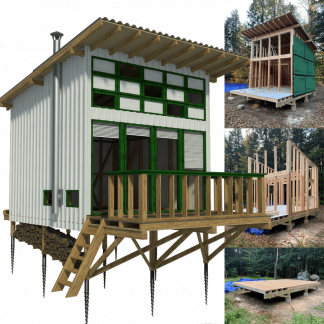
A cabin on sloped land can feel almost magical. You open the door, step outside, and the ground falls away toward trees, water, hills, or a dark evening sky. That kind of site deserves more than a flat patio pushed against the house. It often calls for a smarter deck, one that follows the land instead of fighting it.
That is where multi-level deck ideas begin to make sense. A multi-level deck gives each part of the outdoor space a clearer purpose. One level can hold morning coffee. Another can work for family dinners, grilling, seating, or planters. The upper deck may stay quieter and take advantage of the best view. It also solves a real layout issue: getting from the house down to the yard without one long, uncomfortable stretch of stairs.
Why a Multi-Level Deck Design Works So Well on Sloped Land
A level deck is simple when the ground is flat. On a slope, the project becomes different. The structure has to respond to the whole site: grade changes, moisture, stairs, railings, joists, posts, and how people will move from the house into the yard.
A good multi-level deck can break a height change into smaller, more comfortable spaces without losing structural integrity. One level may sit outside the French doors. Another can step down toward a patio, spa, pavers, or garden path. The lower level can become the dining space, while the upper deck remains open and focused on the view. For a cabin located on a slope, that layout can also make the property easier to use from day to day.
It may look clean on paper, but the structure has to support the design. Elevated decks and multi-level layouts need dependable footings, protected hardware, strong joists, stable railings, and careful flashing at the house connection. A deck’s substructure typically includes concrete footings, wood posts, and joists that create the supportive frame beneath the surface. Concrete footings help distribute the load of the deck and the people using it, while support posts hold the frame above the ground. Flashing is just as important because it helps keep water away from the ledger board, especially where roof runoff, siding, and deck framing meet near the same wall. A complete review of those connection points can help identify weak spots before the layout becomes more expensive to change.
Deck Inspections Before an Outdoor Deck Renovation Gets Bigger
Before any outdoor deck renovation, deck inspections deserve serious attention. This is even more true for elevated or multi-level structures. A quick walk across the boards can miss a lot. The surface may feel solid while moisture, weak connections, or damaged joists are already creating problems below.
That is why a professional inspection matters. It can reveal rotting boards, weak posts, loose railings, damaged joists, moisture issues, and poor connections that affect safety and usability. A professional deck inspection can also help homeowners understand which repairs, upgrades, or code-related details need attention before the project expands. It can keep minor repairs from becoming high-cost projects and support the long-term durability of the deck. For property owners planning a cabin upgrade, a complete inspection can be the difference between a simple fix and a much larger scope.
For cabins, older homes, or decks in wet areas, this kind of inspection is about capacity as much as safety. Can the structure handle new stairs, built-in benches, heavier furniture, guests, planters, or a different surface material? That question should be answered before upgrades begin, not after contractors have already started opening up the framing. In Seattle, permits may be required for deck construction when the deck is more than 18 inches above the ground. Residential decks over 30 inches also need guardrails that meet local height rules.
Composite Decking Choices for Seattle Weather
Seattle’s climate changes the way a deck should be planned. The amount of rain matters because decks stay exposed year-round, especially in wooded neighborhoods and lakefront communities where shade keeps surfaces damp longer. Seattle experiences over 150 rainy days each year, which keeps moisture levels high and contributes to wear on outdoor decks. Traditional wood can soak up water. When it is not maintained, rot can show up sooner than homeowners expect. Cedar may look great, but it still needs care to keep performing well.
High-quality composite and PVC materials are often recommended for Seattle decks because they offer stronger resistance to mold, rot, moisture, and slipping in a wet climate. Capped composite decking has become a common standard for residential homes in the area because it limits moisture absorption better than many traditional wood boards. Trex and other capped composite options combine wood fibers, synthetic polymers, and protective caps to improve long-term durability. These solutions can enhance the deck’s style without making maintenance disappear completely. They are lower-maintenance, not maintenance-free. A yearly cleaning, inspection, and debris removal should stay on the schedule.
Power washing can help remove dirt and mildew, but it should be done gently. Wet leaves, soil, and debris should not sit against railings, benches, posts, or corners. Moisture can cause quiet damage in areas that stay packed with debris and damp for long periods.
Useful details to check before renovating include:
- rotting boards or soft spots underfoot;
- loose railings around stairs and upper areas;
- water pooling near the house, roof line, or ledger board;
- weak joists, posts, or visible hardware corrosion;
- permits, especially for elevated deck work;
- whether weather-resistant materials fit the complete project;
- where extra blocking or hardware may be needed to reinforce stairs, benches, or railings.
Built In Benches and Small Details That Make the Deck Feel Like a Place
A multi-level deck should not feel like a set of stairs with landings attached. It should feel intentional. A bench near the best view, storage under a lower level, a grill close to the door but away from the main seating path — those details make the space work. Built-in benches can help too, especially on a smaller cabin deck where movable furniture can block the flow and create avoidable layout challenges.
Railings also do more design work than people expect. They protect the edges, but they also decide how much of the view stays open. In a scenic backyard, a simple railing often works better than something bulky. Color deserves the same care. A dark deck surface can stand out beautifully against green trees, while lighter boards may feel quieter and more natural beside a small wood cabin.
For homeowners across the greater Seattle area, the hard part is balancing the look with the structure. Sloped yards, wet weather, permits, rot, drainage, and cost can all complicate a project that looked simple at first. Some small repairs are manageable, but clients should be careful when repeated repairs start costing more than a complete replacement plan. A larger multi-level project may need deck construction help for sloped yards, especially when the deck is elevated, connected to the house, or intended to support family gatherings for years.
A cabin deck does not need to be oversized to work well. The deck has to work with the land, stay safe, and make the outdoor living space more useful. When it does, it stops feeling like a structure simply added to the house. It becomes the point where the home and the view finally connect.