Purchasing a home is one of the most significant financial milestones a person can achieve, representing both a major personal accomplishment and a foundational step toward long-term wealth building. However, transitioning from renting to homeownership involves far more than simply saving for a down payment and securing a mortgage approval. Owning real estate introduces ongoing operational expenses, fluctuating recurring costs, and long-term financial commitments that require detailed preparation and disciplined management. Whether you are buying your primary residence or exploring investment options like a rental property loans in California to build income-generating assets, thorough financial planning ensures that your transition into real estate ownership remains stable, rewarding, and sustainable over time.
Why Financial Planning Matters Before Homeownership
Establishing a comprehensive financial strategy well before starting your property search gives prospective buyers a clear picture of what they can comfortably afford. Proper financial planning prevents buyers from becoming house-poor—a situation where an excessive portion of monthly income goes toward housing debts, leaving inadequate reserves for daily living, savings, and personal entertainment.
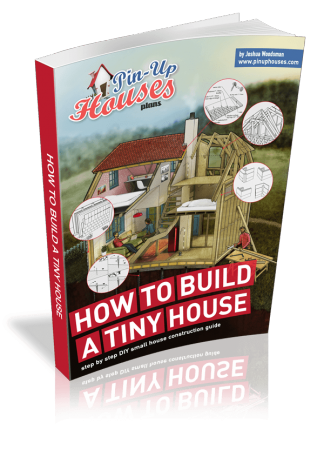
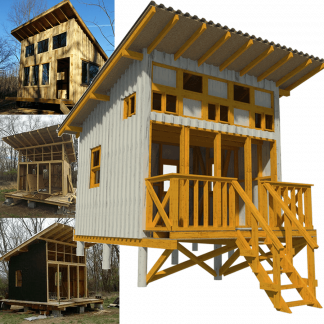
This financial discipline is equally vital whether securing a conventional mortgage or opting for a debt-free DIY build; working through realistic cost breakdowns and bill-of-materials estimates—a core planning step highlighted in Pinup Houses small house plans—allows buyers to balance land costs, utility connections, and build expenses without stretching their monthly budget past the breaking point.
Creating a Realistic Household Budget
A successful home buying strategy starts with an honest, detailed evaluation of your current financial habits and monthly cash flow patterns:
- Track all monthly expenditures. Categorize your spending over the past three to six months to identify fixed expenses, variable discretionary purchases, and potential savings opportunities.
- Calculate your debt-to-income (DTI) ratio. Divide your recurring monthly debt payments by your gross monthly income to determine how lender underwriting guidelines evaluate your borrowing capacity.
- Project your post-purchase household expenses. Model a comprehensive post-closing budget that incorporates estimated principal payments, property taxes, homeowner insurance rates, and active utility costs.
- Establish continuous automated savings habits. Set up automated recurring monthly transfers to a dedicated house fund to build down payment capital while adjusting to a disciplined saving routine.
Creating a realistic household budget builds the financial foundation needed to navigate homeownership costs without compromising your long-term wealth goals.
Building an Emergency Fund
Maintaining a robust cash safety net is essential for protecting your property asset and personal stability against sudden financial disruptions:
| Emergency Reserve Level | Coverage Duration | Primary Financial Purpose |
| Minimum Reserve | 3 Months of Living Expenses | Covers temporary income interruptions and basic mortgage obligations |
| Recommended Reserve | 6 Months of Living Expenses | Handles extended medical leave, job loss, or major home appliance replacements |
| Comprehensive Reserve | 9 to 12 Months of Living Expenses | Protects complex multi-property portfolios and major structural repair needs |
A dedicated financial cushion shields homeowners from relying on high-interest credit cards when unexpected repairs or income reductions occur. Adding 1 to 2 introductory sentences immediately following a data table provides a smooth transition back into detailed explanatory prose.
Preparing for the Costs of Owning a Home
Many first-time buyers focus exclusively on upfront closing fees and principal mortgage rates, neglecting the wide array of recurring expenses tied directly to physical property ownership. Understanding these ongoing liabilities ensures accurate financial forecasting and long-term stability.
Planning for Maintenance and Repairs
Unlike rental units where building managers handle physical upkeep, home maintenance falls entirely on the property owner:
- annual Maintenance Budgeting. Allocate one to two percent of your property’s total purchase price each year into a dedicated maintenance repair account;
- component Lifespan Tracking. Monitor the age and structural condition of major home systems, including the roof, HVAC unit, water heater, and kitchen appliances;
- proactive Seasonal Servicing. Schedule regular professional inspections for heating systems, gutters, and plumbing lines to prevent expensive structural emergency fixes;
- DIY vs. Professional Contracting. Identify basic upkeep tasks you can manage independently versus complex electrical or structural jobs requiring licensed professionals.
Establishing proactive physical maintenance schedules protects overall building value while preventing minor issues from turning into major structural financial liabilities.
Accounting for Taxes, Insurance, and Utilities
Recurring property-related overhead can significantly alter your monthly housing expenditure:
- Real Estate Property Taxes. Research local municipal property tax rates and reassessment schedules, as tax obligations can rise significantly over time.
- Homeowners Hazard Insurance. Shop around for comprehensive hazard insurance policies that protect against localized environmental risks such as fires, floods, or storms.
- Property Utility Differences. Account for higher utility bills in single-family homes, including water, trash collection, sewage, gas, and seasonal heating or cooling expenses.
- Homeowners Association (HOA) Dues. Review community HOA rules, monthly maintenance dues, and special assessment histories before purchasing managed property units.
Accurately forecasting property taxes, insurance, and utilities prevents surprise monthly shortfalls and keeps your home budget well-balanced.
Strengthening Your Financial Position
Optimizing your overall credit profile and financial standing in the months leading up to a property purchase leads to superior mortgage options and lower long-term borrowing costs.
Implementing key credit and debt management steps enhances your purchasing power and lender approval odds:
- Review and repair credit reports. Request annual credit reports from major bureaus to correct reporting errors, clear outdated marks, and verify account balances.
- Reduce revolving credit balances. Pay down existing credit card debt to lower your overall credit utilization ratio below thirty percent, boosting your credit score.
- Avoid major financial changes. Refrain from opening new credit card accounts, taking out auto loans, or changing employers during the active mortgage application window.
- Gather mandatory documentation early. Organize tax returns, W-2 forms, recent pay stubs, and bank account statements to ensure a smooth, efficient loan processing experience.
Strengthening your financial profile before applying for a loan ensures access to the best available interest rates and favorable financing structures.
Preparing for a Confident Transition to Homeownership
Achieving a seamless transition to homeownership depends on combining careful market research, realistic budgeting, and proactive risk management. By establishing an emergency savings safety net, budgeting for ongoing property upkeep, and maintaining a healthy financial profile, prospective buyers can step into property ownership with total confidence. Taking the time to build a strong financial strategy transforms property ownership from a stressful obligation into an empowering, wealth-generating foundation for the future.