Most vinyl siding lasts 20 to 40 years. Quality siding panels installed correctly in a mild climate can push toward 50, while harsh sun, extreme temperature swings, or a sloppy install can pull that number down closer to 20. If you’re staring at siding that’s a couple of decades old and wondering whether it’s aging out, the honest answer is that the average lifespan isn’t a fixed expiration date. It’s about the condition: whether the panels still protect the wall, still look acceptable, and are still worth keeping. This article walks through why the range varies so much, the warning signs that a home’s exterior needs to be replaced, how to stretch the years you get, and what to weigh if it’s time to replace siding.
The Short Answer: How Long Does Vinyl Siding Last?
Consumer sources land in a consistent band. Fixr notes many homeowners replace vinyl siding every 20 to 30 years. Angi puts it at 30 to 40 years in mild conditions and closer to 20 in extreme climates. This Old House says most quality vinyl lasts 20 to 40 years with proper care. You’ll also see bigger numbers: the Vinyl Siding Institute’s environmental product declaration cites a useful life of 50 years or more, partly tied to long manufacturer warranties. So when someone asks how long does vinyl siding last, the answer depends heavily on climate and installation.
The gap between “warranty life” and “when people actually replace it” is where the confusion lives. A useful way to think about it is three lifespans. There’s the functional lifespan (is it still keeping weather out of the wall?), the cosmetic lifespan (does it still look okay after cleaning?), and the economic lifespan (is repairing it still cheaper than replacing?). Your siding rarely fails all three at once, so how long this common material really serves a house comes down to which lifespan gives out first, and the actual lifespan depends on the specific conditions your walls face.
Why Does Vinyl Siding Lifespan Vary So Much? Key Factors
A durable material still depends on how it’s made, installed, and treated. A few things do most of the heavy lifting:
- Installation quality
- Product quality and siding panel thickness
- Climate, UV, and extreme temperatures
- Routine maintenance
- Nearby heat sources and painting choices
Installation Quality
Vinyl expands and contracts with temperature, so it has to be installed loose enough to move. The VSI installation manual is specific: siding panels and accessories must move freely, fasteners should be centered in the nailing slots, and installers should leave about 1/32 inch between the fastener head and the panel. It calls for 1/4 inch clearance at openings and stops, bumped to 3/8 inch when working below 40°F. Nail it tight and the panels can’t breathe, which leads to buckling as the seasons change. Improper installation also invites water infiltration behind the wall. Early waves, oil-canning, or warping usually point back to how the vinyl siding went on, not to age. When poor installation is the culprit, even premium building materials will fail early.
Product Quality and Panel Thickness
Not all vinyl is equal. This Old House notes panels are commonly at least .040 inches thick, with premium products around .042 to .045 inches, and thicker siding panels tend to resist impact and warping better. Higher-quality vinyl also brings better UV resistance, stronger hems, and higher wind ratings. When you shop, ask about panel thickness, wind rating, and the color-retention warranty rather than fixating on color and price. Ask about certification too: the 2024 International Residential Code requires vinyl siding to be certified and labeled as conforming to ASTM D3679 by an approved agency, so a compliant product should carry that mark.
Climate, UV, and Extreme Temperatures
Where the siding lives matters as much as what it’s made of. It helps to separate mild-climate lifespan from high-exposure lifespan. The south- and west-facing walls of a house take more direct sunlight and can age faster than the shaded sides. Prolonged exposure to UV fades vinyl over time, and darker colors fade faster than lighter ones, though minor fading on a shaded wall is easy to live with. Cold air and repeated freeze-thaw cycles stress the material, and high heat in some Southern and Western regions makes vinyl more prone to warping and producing cracked panels, as Bob Vila points out. Color and appearance retention is enough of a concern that ASTM D7856 exists specifically to measure fading in solid and variegated plastic siding.
Maintenance and Routine Cleaning
Vinyl is relatively low maintenance, not no maintenance. CertainTeed recommends cleaning it once a year and warns that power washing can cause moisture intrusion, damage, or discoloration. VSI suggests a soft-bristle brush, a garden hose, and non-abrasive methods. Regular cleaning keeps mold growth, mildew, and grime from settling into the exterior surfaces. If you reach for a pressure washer, keep it low and angled straight on. A careless high-pressure blast can force water up behind the panels, which is exactly the moisture damage cleaning is supposed to prevent.
Heat Sources and Painting Mistakes
Vinyl deforms under concentrated heat. Some manufacturer warranties specifically exclude deformation from grills, fire pits, and reflected heat off low-E glass, which can create a hot spot strong enough to warp a wall. Avoid harsh chemicals when you clean, since aggressive cleaners can dull the protective coating that gives vinyl its finish. If you plan to paint vinyl, Sherwin-Williams advises using a vinyl-safe paint and choosing a color no darker than the original, since dark colors absorb more heat and raise the warping risk. Keep heat sources a few feet off the wall and investigate any melted patch near a neighbor’s window.
Signs Your Home’s Exterior Needs New Siding: Loose Panels, Missing Panels, and More
Inspect the whole exterior once a year and after big storms. These are the signs that old siding needs to be replaced rather than patched:
- Cracks, holes, or brittle panels. Years of UV make vinyl brittle. If several cracked panels appear during routine handling, that’s age talking, and gaps like these create entry points for water.
- Warping, buckling, or waves. Often heat damage, a too-tight install, or trapping moisture behind the panel.
- Severe fading or chalking that doesn’t come back after a good cleaning.
- Loose panels or missing panels after severe weather, which expose the wall and signal the fasteners or the siding itself have given out.
- Moisture problems behind the siding: soft sheathing, rot, a mildew odor, staining, damaged interior walls, or peeling paint inside, all of which suggest water is reaching the underlying structure.
- Repeated patching, or replacement panels that no longer match the faded originals.
- Rising energy bills, which can point to damaged siding or insulation letting conditioned air escape and hurting energy efficiency.
How Can You Make Vinyl Siding Last Longer? Low Maintenance Tips
A little upkeep buys years. Work through these maintenance tips:
- Wash once a year with a soft-bristle brush and a garden hose, or a low-pressure washer. Early fall is a good time, after summer sun and before winter sets in.
- Skip abrasive scrubbers and careless high-pressure washing that can drive water behind panels.
- Keep grills and fire pits well away from the wall to avoid heat warping.
- Trim shrubs and vegetation back so plants aren’t holding moisture against the siding.
- Repair cracks promptly before a small opening turns into a moisture problem behind the wall.
- Inspect annually and after storms for cracks, loose panels, and warping so you catch siding issues early.
Should You Repair, Replace, or Switch Siding Materials?
Come back to the three lifespans to decide. If the damage is isolated, repair it. A single cracked panel or a few damaged panels can be swapped out, though be aware that older, faded panels rarely match new siding perfectly. If the problem is widespread cracking or significant warping across multiple elevations, you’re into full replacement territory and it makes more sense to replace your vinyl siding across the affected walls at once, before extreme weather turns cosmetic wear into structural damage.
When budget and low maintenance are the priorities, replacing with new vinyl is a cost effective option. Homeowners who are replacing rather than repairing may also compare vinyl with fiber cement options, such as James Hardie siding in Roseville, particularly in areas where heat exposure, fire-hardening, or long-term curb appeal are part of the decision. As comparison points, James Hardie’s FAQ lists a 30-year non-prorated warranty on its fiber cement, with ColorPlus finishes carrying a 15-year limited warranty covering peeling, cracking, and chipping. On resale, JLC’s 2025 Cost vs. Value report puts vinyl siding replacement at a national average job cost of $17,950 with $17,313 in resale value, recouping 97 percent, while fiber cement recoups 114 percent.
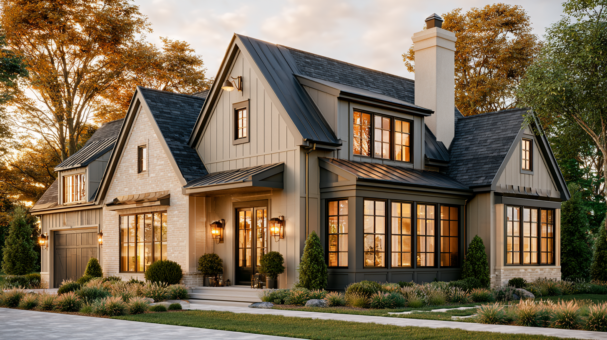
How Vinyl Siding Compares to Fiber Cement, Aluminum, and Wood for Energy Efficiency
Each exterior material trades cost against durability and looks, and it helps to see how vinyl siding compares against other siding materials before choosing:
| Material | Strengths | Trade-offs |
| Vinyl | Low maintenance, budget-friendly, 20 to 40 year life | Fades, can warp in heat, not fire resistant |
| Fiber cement | Noncombustible, premium look, long warranties | Higher cost, heavier install |
| Aluminum siding | Fire-resistant, won’t rot | Dents easily |
| Wood / engineered wood | Natural appearance | Higher upkeep |
Aluminum siding resists fire and rot but dents under hail and stray baseballs, which is why some homeowners weigh it carefully against vinyl. Traditional wood siding delivers a look vinyl still struggles to copy, yet wood demands repainting or resealing on a schedule that many owners underestimate. Energy efficiency is worth a look too, since insulated vinyl can trim cooling costs on sun-facing walls and improve the overall energy efficiency of the shell. Fire is the bigger dividing line. UC ANR, CAL FIRE, and IBHS all note that vinyl can melt, ignite, or contribute to fire spread under radiant heat, and they point to noncombustible materials like fiber cement, stucco, and metal for the lower portions of walls in wildfire-prone areas. In those zones, ignition resistance and local code can matter as much as raw lifespan.
When Should You Call a Siding Professional?
Some situations call for a whole-exterior assessment rather than a quick patch: damage clustered around windows and trim, suspected water intrusion reaching interior walls, widespread buckling, repeated storm damage, or a full replacement you’re planning to budget as part of larger home renovations. Vinyl failures often show up first near windows and other penetrations, so a professional contractor who handles both siding and windows can trace a leak to its source instead of treating the symptom. If damage appears around windows, trim, or multiple elevations at once, Sacramento-area homeowners can use resources such as elevatebld.com as an example of the type of qualified contractor to consult before deciding between repair and replacement, and before weighing the full range of siding options.
Frequently Asked Questions
What’s the average cost to replace vinyl siding?
JLC’s 2025 Cost vs. Value report lists a national average job cost of about $17,950, with roughly $17,313 in resale value, recouping around 97 percent. Your actual price to replace siding varies with home size, panel grade, and region.
Does vinyl siding get brittle with age?
Yes. UV exposure and years of freeze-thaw make siding panels brittle and prone to cracking, especially on sun-facing walls. If panels break during routine handling, that brittleness is a clear sign the old siding needs to be replaced.
Can vinyl siding last 50 years?
It’s possible with high-quality panels, correct installation, a mild climate, and regular cleaning. The VSI cites a useful life of 50 years or more, but most homes end up replacing vinyl siding within the 20 to 40 year window.
Can you paint vinyl siding instead of replacing it?
Yes, if the panels are structurally sound. Use a vinyl-safe paint no darker than the original color to avoid warping. Painting refreshes the look, but it won’t fix cracked panels, warping, or moisture trapped behind the siding.