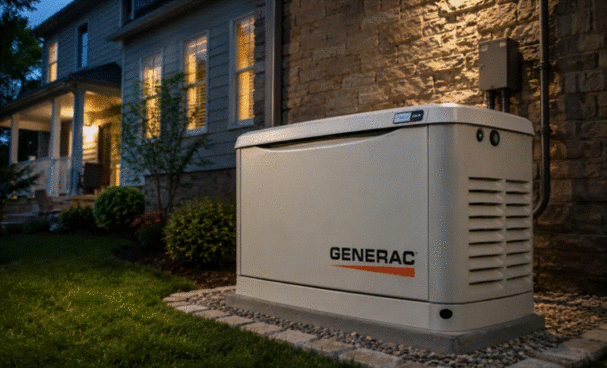
A generator for hurricane season should match your home’s electrical demand, the expected outage length, available fuel, and installation requirements. The right choice keeps critical circuits powered without requiring you to spend more on equipment than necessary.
For tiny houses, small homes, cabins, and off-grid properties, careful sizing matters even more. A smaller electrical load may allow you to use a compact unit, reduce fuel use, and avoid buying more equipment than the property requires. Generator planning can also complement solar batteries or other home energy systems when weather limits their output.
What Generator Is Best for Hurricanes?
The best generators for hurricane season generally fall into three groups: small inverter units, larger portable models, and permanently installed whole-home systems. Your choice depends on what you need to operate and how long local outages usually last.
A compact unit works well for powering essential lights, chargers, a refrigerator, and several small electronic devices. Larger portable units can support more essential appliances, but they require manual setup, outdoor placement, fuel storage, and safe cable connections. A standby generator starts automatically and can support selected circuits or most of the home.
You may be asking yourself, “Should I buy a generator for hurricane season before the next power outage?” If your area experiences repeated storm-related service interruptions, early planning gives you more model choices and time to arrange safe installation.
Compare Generator Types
Understanding the main types of generators makes the decision easier.
| Generator Option | Best Use |
| Inverter Unit | Quiet operation for electronics and light loads |
| Portable Unit | Refrigeration, lights, pumps, and selected circuits |
| Standby System | Automatic service for larger household loads |
Inverter generators usually provide cleaner electricity for laptops, communication equipment, and medical devices. A portable generator for hurricane preparation offers more power for the price, but it requires manual fueling and connection. Permanent systems cost more, yet they start without user action.
Before connecting larger equipment, consult a Bergen County NJ electrician who can review your panel capacity, circuit priorities, and approved connection methods. This can prevent unsafe connections when utility service is unavailable.
Choose the Right Generator Size
When learning how to choose a generator for hurricane season, start by listing every item you expect to operate. Record each device’s running wattage and higher starting wattage. Motors in refrigerators, pumps, and air conditioners often need extra electricity for a few seconds when they turn on.
Use this process:
- List only the loads you truly need.
- Add their running wattage requirements.
- Add the largest starting wattage demand.
- Keep 15% to 25% spare capacity.
- Confirm the output at your chosen fuel setting.
Your generator size decision should not rely on square footage alone. Two similar homes can have very different loads. A unit that supports a refrigerator and lights may not handle central air, an electric water heater, or a large well pump at the same time.
Compare Fuel Choices and Runtime
Fuel availability matters as much as wattage. After a tropical storm, fuel stations may close, roads may become blocked, and local demand may rise quickly.
Consider each fuel type carefully:
- Gasoline is widely available, but its storage life and safe handling require planning.
- Propane stores longer and works well for dual-fuel equipment.
- Natural gas supports many permanent systems without refueling.
- Dual-fuel and tri-fuel models provide more flexibility.
Many portable models run on gasoline, while some also accept propane. Power output can vary depending on the fuel used, so compare the ratings instead of assuming identical performance.
Estimate how long the generator can run at both half load and full load. A lower electrical load usually extends runtime and reduces refueling. Store fuel in approved containers, follow local regulations, and never refuel hot equipment.
For small or off-grid homes, reducing the number of active circuits can lower fuel demand. You may choose to operate refrigeration, lighting, water pumps, and communication equipment while leaving high-demand appliances off until utility service returns.
Use Safe Electrical Connections
Safe operation protects your family, home, and utility workers. Never operate a generator in a garage, basement, enclosed porch, or near doors or windows. Exhaust can build up quickly, even when an area appears ventilated.
Follow these rules:
- Operate the generator outdoors and maintain the distance required by the manufacturer.
- Point exhaust away from the home.
- Use carbon monoxide alarms on every occupied level.
- Keep the equipment dry without placing it in an enclosed structure.
- Inspect cords before each use.
- Turn off the unit and allow it to cool before refueling.
A transfer switch provides a controlled way to feed selected household circuits. It also prevents electricity from flowing back toward utility lines. Never connect a generator directly to a wall outlet.
Keep extension cords short, outdoor-rated, and sized for the connected load. Avoid running cords through standing water or damaged openings.
Plan Costs and Storm Preparation
Costs include more than the generator itself. Budget for electrical work, connection equipment, fuel storage, maintenance, weather protection, and periodic testing. Small units have lower upfront costs, while whole-home systems require a larger investment and professional installation.
Before storm warnings begin, complete these tasks:
- Test the unit under a realistic load.
- Replace old fuel and inspect your stored supplies.
- Check oil, filters, batteries, and spark plugs.
- Label the circuits you plan to support.
- Keep operating instructions in a dry location.
- Review startup and shutdown steps with household members.
Your backup power system should be ready well before severe weather arrives. Waiting until a storm is close can limit product availability and installation appointments.
For homes designed to use less energy, generator planning should support the same goal. Prioritize the smallest practical load, avoid running unnecessary appliances, and coordinate the system with any solar panels, battery storage, or off-grid equipment already installed.
The right system provides backup power for the loads that matter most. Careful sizing, safe connections, realistic fuel planning, and regular testing can help you stay prepared when the electrical grid fails.