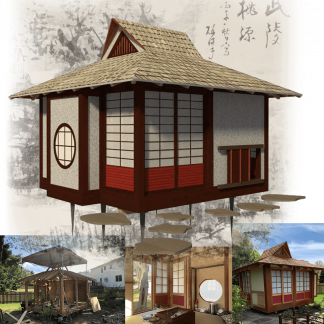

Creating a tranquil Japanese tea room is essentially about practicing “harmony, respect, purity, and tranquility” – using natural materials, handcrafted furniture, asymmetrical layout, and soft lighting to create a wabi-sabi Zen atmosphere. If you appreciate Japanese tea culture and long for a slower, more intentional way of living, a thoughtfully designed tea room can transform even a small corner of your home into a calming sanctuary.
This guide walks through practical, achievable steps to help you create a peaceful Japanese-inspired tea room at home, whether you have a dedicated room, a small apartment corner, or even part of a living room.
Understanding the Spirit of a Japanese Tea Room
Before decorating the room, it helps to understand the philosophy behind Japanese tea spaces.
Japanese tea rooms were created with a focus on simplicity, humility, and harmony with nature. According to Japanese tea culture studies, many tea rooms emphasized a small and modest design in order to promote tranquility, concentration and equality among the guests. The traditional tea rooms often had light and natural surroundings, with natural wood and clay walls, tatami floors and soft natural lighting.
The Japanese aesthetic concept of “wabi-sabi” also plays an important role. Rather than chasing perfection, it embraces natural textures, subtle imperfections, aging wood, handmade ceramics, and the beauty of simplicity.
This philosophy is exactly why Japanese tea rooms continue to feel timeless even in modern homes.
Step 1: Choose a Quiet and Uncluttered Space
The first step is selecting the right location.
A Japanese tea room does not need to be large. In fact, traditional tea rooms were often intentionally compact. Historical tea spaces in Japan were sometimes built within four-and-a-half tatami mats or smaller, creating an intimate and calming environment.
Look for a space with:
• Natural light
• Minimal distractions
• Soft wall colors
• Good airflow
• Enough room for comfortable seating
A small unused corner of a living room can work beautifully when designed intentionally.
Practical Tip
Before adding furniture, remove unnecessary items first.
Japanese interiors feel peaceful because they leave room for emptiness. Empty space is treated as part of the design rather than wasted space.
Step 2: Start with a Japanese Tea Table
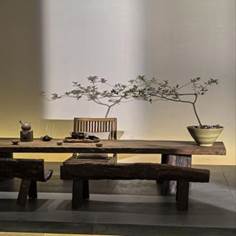
A high-quality Japanese tea table is very important. A well-designed table is the functional and visual center of the space where conversation, contemplation and prepare tea.
In traditional Japanese tea rooms, low furniture is preferred and provides a feeling of being closer to nature. The instantly warm feeling of a well designed wooden tea table in a room will lead to a natural, comforting and more fluid tea experience.
How to Choose & Place Your Table
1. size & height: low table (15-30cm height) ideal for use while sitting on zabuton cushions or tatami floors. Small areas of room: 90cm-120cm length (seats 2-4). Larger areas of room: 150cm-180cm in length (seats 4-6).
2. Material: Use natural woods like elm, pine, cedar or walnut. Wood is one of the most common Japanese inspired interior materials as it creates warmth, and yet, keeps things simple.
- Placement: Position the table at the center of the tea area you identified, so there’s 60–90cm of space for sitting and moving comfortably .
Step 3: Use Natural Materials Throughout the Room
Japanese tea rooms are deeply connected to nature.
Rather than glossy finishes or synthetic décor, traditional tea spaces rely on organic materials that age beautifully over time.
Good materials include:
• Wood
• Bamboo
• Linen
• Cotton
• Clay ceramics
• Stone
• Rice paper lamps
Traditional Japanese tea rooms often used unfinished wood and natural textures specifically to create a sense of calm and humility. Tea masters intentionally preferred materials that felt quiet and understated instead of luxurious or decorative.
Easy Ways to Add Natural Texture
• Use linen floor cushions
• Add woven tatami-style mats
• Display handmade ceramic tea ware
• Use wooden trays or shelving
• Choose soft fabric curtains instead of heavy drapes
These materials soften the room visually and create a more peaceful atmosphere.
Step 4: Keep the Color Palette Soft and Balanced
Color has a huge impact on how a room feels.
Japanese interiors generally avoid highly saturated colors and instead focus on earthy, muted tones inspired by nature.
Good color choices include:
• Warm beige
• Soft brown
• Charcoal gray
• Muted green
• Cream white
• Natural wood tones
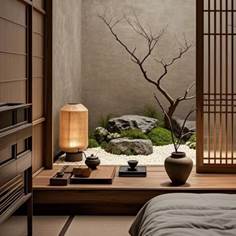
Dark walnut tea tables pair beautifully with cream walls and handmade ceramics, while lighter woods create a brighter minimalist look.
A Simple Rule
If a color feels distracting, it probably does not belong in a tea room.
Japanese design focuses on harmony rather than visual stimulation.
Step 5: Design Around the Tea Ritual
A tea room should support the actual process of making and drinking tea.
In traditional Japanese tea culture, every movement inside the tea room was intentional. The layout, walking paths, seating arrangement, and placement of tea utensils were carefully considered to create a smooth and calming experience.
Your tea space should feel comfortable and practical.
Keep These Essentials Nearby
• Tea tray: A small wooden or lacquerware tray to organize utensils
•Matcha Set: A bamboo whisk (chasen), tea scoop (chashaku), and ceramic tea bowl (matchawan)
• Kettle: A cast-iron or stainless steel kettle for boiling water
• Tea canisters: Packing tea leaves or matcha powder
• Tea towels: Used for drying teaware and maintaining a neat tea-making area
• Small storage shelf: A compact wooden shelf or cabinet for displaying teaware, tea accessories, and decorative items while keeping the space uncluttered
A well-designed tea table naturally keeps everything organized without making the room feel crowded.
Suggested Layout
A simple tea room setup may include:
• One tea table
• Two to four floor cushions or low chairs
• One shelf for tea ware
• A soft lamp
• One decorative focal piece
Avoid over-decorating. Japanese interiors often feel elegant because every object has purpose and breathing space.
Step 6: Add Thoughtful Decorative Elements
Decoration should feel intentional rather than excessive.
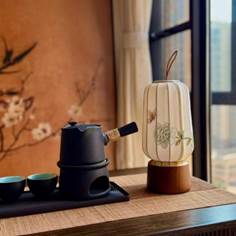
Traditional Japanese tea rooms usually feature only a few carefully selected decorative pieces, such as:
• Handmade pottery
• Bonsai or small greenery
• Calligraphy scrolls
• Ceramic flower vases
• Incense holders
• Stone ornaments
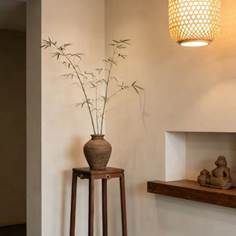
Traditional tea rooms also often included a small decorative alcove called a “tokonoma”, where a hanging scroll or seasonal flower arrangement would quietly reflect the mood of the gathering.
Lighting Matters
Lighting can completely change the atmosphere of the room.
Choose:
• Warm lighting
• Rice paper lamps
• Indirect light
• Candlelight for evening tea sessions
Avoid harsh white overhead lights whenever possible. Soft lighting enhances the natural textures of wood and ceramics and makes the room feel more intimate.
Step 7: Bring Nature Into the Space
Japanese tea rooms are designed to feel connected to nature, even indoors.
Traditional tea gardens were created not as decorative landscapes, but as transitional spaces that mentally prepared guests for calmness and reflection before entering the tea room. Stone pathways, greenery, and water elements all contributed to this peaceful atmosphere.
You can recreate a similar feeling at home by adding:
• Small indoor plants
• Stone decorations
• Bamboo accents
• Natural wood shelves
• A tabletop water feature
• Seasonal flowers
Even a single branch in a ceramic vase can make the room feel alive and grounded.
Step 8: Create a Space You Actually Use
A comfortable Japanese tea room is a place that supports daily rituals and meaningful moments. It can become a quiet corner for enjoying morning matcha, sipping tea in the evening, reading, journaling, meditation, slow conversations with friends, or simply taking a break from screens and daily distractions. By creating an atmosphere centered around calmness and mindfulness, the tea room naturally encourages a slower and more intentional way of living.
Tea culture has always been closely connected to mindfulness and intentional living. Even a 15-minute tea session can completely change the feeling of your day.
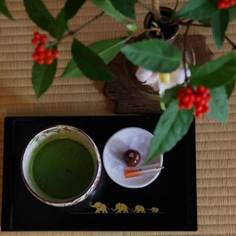
Creating a tea-room in the Japanese way isn’t copying authentic structures, but making a peaceful, mindfulness atmosphere that makes us want to slow down and appreciation for daily tea rituals.
By simplifying your space, use natural materials and focus your room with a real, hand-made tea table you can design a Zen room that is both functional and a place to relax.
Whether you are designing a complete tea room or just sprucing up a cozy corner in your house, the perfect tea table will set the tone for the whole experience.