Choosing the wrong generator for a bush camping trip or a remote job site is a costly mistake. The market is full of machines with impressive spec sheets, but not every unit handles rough terrain, unpredictable weather, or a full day of power-hungry tools.
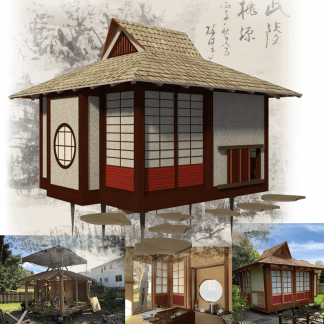
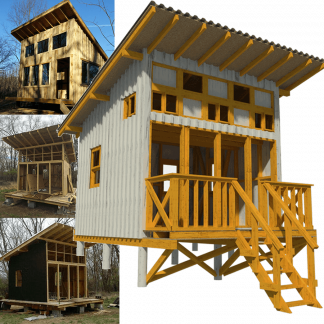
Setting up a remote basecamp or off-grid worksite requires rugged infrastructure to match your power gear. Pairing portable power with dependable shelter is essential when you are working far from town, and using Pin-Up Houses cottage plans gives you straightforward, off-grid timber designs built for self-sufficient setups.
Whether you’re running a caravan fridge or a circular saw in the paddock, the right petrol generator for camping and outdoor work isn’t just about the watts on the box, it’s about how the whole package performs when you’re kilometres from the nearest hardware store.
Power Output and Fuel Tank Capacity: Getting the Right Size
The numbers on the label matter, but they don’t tell the whole story on their own. Among the range of petrol generators from Jono & Johno or anywhere else, buyers can compare models by both rated wattage and tank size, two figures that work together to determine whether a generator is genuinely useful for your situation.
Here’s the thing: rated wattage is the continuous output a machine sustains under a normal load. Peak or surge wattage runs higher, but only for a second or two, long enough to start a motor, not to run your whole setup indefinitely. A 3,500-watt-rated unit is often the practical starting point when power tools are involved, while something in the 1,000- to 2,000-watt range handles lighter camping loads: lighting, phone charging, and a portable fridge. Fuel tank size then decides how long you go between refills. A 4-litre tank at moderate load might give you 4 to 5 hours; a 15-litre tank on the same draw could run through the night without interruption.
Matching Wattage to Your Equipment and Job
Before settling on a wattage rating, list every appliance or tool you expect to run simultaneously. A standard camping fridge draws roughly 40 to 80 watts continuously but surges to 200 watts or more on startup. An angle grinder pulls 800 to 1,400 watts under load. Add those figures together, then tack on 20 per cent headroom so the engine isn’t constantly redlining. Running a generator hard and hot for hours shortens its service life noticeably; the headroom isn’t optional.
For tradies on remote sites, a 5,000-watt unit is often the smarter call even when the calculated load sits at 3,500 watts. Campers with modest needs are usually well served by a 2,000-watt inverter-type petrol generator, which tends to be quieter and gentler on sensitive electronics like laptops and phone chargers. Match the machine to the realistic worst-case scenario, not your average Tuesday.
Portability, Weight, and Noise Level for Camping and Remote Sites
A generator that’s genuinely portable changes what’s possible in the field. For petrol generators for camping and outdoor work, weight and physical design are often the deciding factors once wattage requirements are confirmed. Open-frame models are lighter and cheaper for a given output, but they provide no acoustic dampening. Enclosed or inverter-style units add several kilograms yet run significantly quieter, and they often include a carry handle or wheel kit as standard. The trade-off is real; the right answer depends entirely on how you’re getting the machine to the site.
Carrying and Moving Your Generator on Site
Most portable generators in the 1,000 to 3,500-watt range weigh between 15 and 45 kilograms. A solo camper loading gear into a four-wheel drive has different requirements from a two-person crew unloading at a construction staging area. Check whether the frame includes fold-out handles, or whether you’d need to buy a separate trolley kit. Some compact inverter generators weigh as little as 10 to 13 kilograms, genuinely a one-person carry. But for anything above 25 kilograms, built-in wheels aren’t a luxury; they’re a necessity.
You’ll also want to consider the footprint. A tall, narrow frame tips more easily on uneven ground than a wide, low design, and a flat, stable base matters on campsites where the ground is rarely level.
Noise Output: What to Expect When the Engine Runs
Noise is measured in decibels at a set distance, usually seven meters. An open-frame petrol generator typically produces 70 to 80 dB under load, roughly the sound level of a vacuum cleaner running continuously. An enclosed inverter generator at partial load can sit as low as 52 to 58 dB, which is closer to a normal conversation. In a campground, that gap matters a great deal, both for your own comfort and for whoever’s camped nearby.
Many national parks and private campgrounds in Australia enforce noise limits, so check site rules before you buy. A quieter machine also makes communication on a work site easier and cuts down on operator fatigue over a long shift. And honestly, don’t rely on manufacturer claims alone; independent reviews and customer feedback give a far more accurate picture of real-world noise at actual working loads.
Durability, Maintenance, and Value for Money
Outdoor equipment takes more punishment than anything running in a shed at home. Dust, humidity, vibration, and UV exposure all affect how long a petrol generator lasts, and build quality varies noticeably between price points.
Build Quality and Long-Term Reliability
Steel frames with powder-coat finishes hold up better than bare metal or plastic housings in harsh Australian conditions. Look for solid rubber feet; they reduce vibration and stop the unit from creeping across hard surfaces. The quality of the alternator, the component that actually generates the electricity, matters as much as the engine brand. A well-regarded engine paired with a poor-quality alternator still produces unstable power and wears out sooner than it should.
So check whether spare parts are available locally. A generator that requires imported components with a 4-week lead time becomes a real headache on a working site. Customer reviews that mention long-term use – rather than just first impressions – are worth hunting down before you commit.
Fuel Type, Oil Changes, and Keeping Your Generator in Shape
Petrol generators all share the same basic maintenance routine: change the oil after the first 20 hours of use, then every 50 to 100 hours after that, depending on the manufacturer’s guidance. Air filter checks should happen every 25 hours in dusty conditions. Using fresh, high-quality unleaded fuel matters more than most people expect; stale fuel left in the carburettor over winter is the single most common cause of starting problems. Drain the tank or run the engine dry before storing for any period longer than a month.
Some models include an oil-level sensor that shuts the engine down automatically before damage occurs; that feature is worth paying for if you’re running the machine unattended. Spark plug replacement is cheap and dramatically improves starting reliability; it’s a simple job most owners can do themselves with a socket set. The trick is staying on top of it before a problem develops rather than after.
Conclusion
Picking the right petrol generator for camping and outdoor work comes down to four honest questions: how much power do you actually need, how far do you have to carry it, how quiet does it need to be, and how well is it built to last? Prioritise your real working requirements over headline specs, factor in tank size for realistic runtime, and don’t skip the maintenance basics. A well-chosen, properly maintained petrol generator pays for itself quickly, on the campsite, on the job, and everywhere in between.