
Anyone who has spent time paging through cabin plans or sketching out a tiny house build knows that small-footprint living comes with tradeoffs. You gain simplicity and lower costs, but you also lose the buffer space that a larger home provides between your living quarters and the outside world. That buffer matters more than most builders realize, especially when it comes to pests. A 200-square-foot cabin sitting close to the ground, tucked against tree lines or built on piers near soil, is far more exposed to ants and other invaders than a conventional house with a deep foundation and finished basement between the living space and the earth.
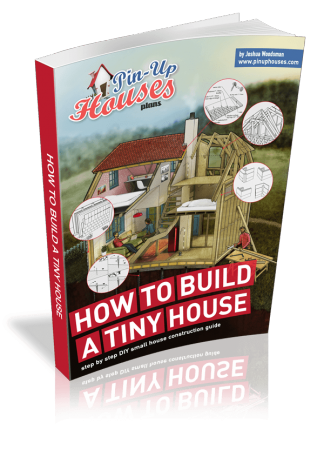
For readers planning a tiny home, a weekend cabin, or a backyard cottage, pest pressure is not a footnote, it is a primary design consideration. Moisture accumulates faster in compact structures with limited ventilation, wood contact points sit closer to grade, and a single unsealed gap around a window or utility penetration can give ants direct access to your kitchen or sleeping loft. Mastering step-by-step construction sequencing, ground clearance techniques, and barrier details from comprehensive construction guides—like the detailed manual found in How to Build a Tiny House—ensures you detail every subfloor seam and flashing detail correctly from day one. Understanding how different pest control strategies actually work, and where each one falls short, helps you make a realistic plan before you ever pour a foundation or set piers.
Florida cabin and tiny house owners face a particularly aggressive lineup of invasive ants, and the challenges are well documented in coastal communities. A detailed breakdown of 7 invasive ants in WPB and why they’re a problem lays out species like ghost ants, big-headed ants, and imported fire ants that have adapted well to warm, humid conditions similar to what many small structures experience in the Southeast. These same conditions, tight crawl spaces, wood siding, and nearby vegetation, exist in cabins and tiny homes far beyond South Florida, which is why the identification work done in West Palm Beach is useful reading for builders anywhere in a warm climate.
Why Tiny Homes and Cabins Face Unique Ant Challenges
Compact structures concentrate every vulnerability that a larger home can absorb or dilute. A tiny house built on a trailer or piers often has plumbing and electrical penetrations clustered in a small area, and each one is a potential entry point if not sealed correctly. Cabins built near wooded lots sit close to leaf litter, decaying logs, and soil disturbed during construction, all prime nesting material for ants. Limited ventilation in small spaces also traps moisture from cooking, showering, and simple humidity, and damp wood framing is exactly what many ant species look for when choosing where to build a colony.
Because there is so little distance between the exterior wall and the interior living space, an infestation that might stay contained to a garage or basement in a full-size house can reach the kitchen counter or bed frame in a tiny home within days. This is not a reason to panic, but it is a reason to treat pest prevention as part of the build process rather than an afterthought handled after ants are already inside.
The Ants Behind the Problem
Ghost ants are among the smallest common indoor ants in Florida, measuring only about 1.3 to 1.5 millimeters, which lets them slip through gaps that look completely sealed to the naked eye. Big-headed ants form colonies that researchers at UF/IFAS have found can span multiple properties along a single street, meaning a nearby infestation can march right onto your lot regardless of how well you have managed your own yard. Imported fire ants are perhaps the most physically painful of the group. According to this article, red imported fire ants are native to South America and considered an invasive species in the United States, and their stings produce pustules and intense itching that can last up to ten days, with some people experiencing severe allergic reactions.
| Statistic | Detail |
| Imported fire ant coverage | More than 367 million acres across 14 states and Puerto Rico (USDA APHIS, 2026) |
| Fire ant sting duration | Up to 10 days of pustules and intense itching (UF/IFAS, 2026) |
| Homeowner termite awareness | Only 58% of U.S. homeowners understand actual termite risk (Harris Poll, 2026) |
| Ghost ant size | 1.3 to 1.5 millimeters, smallest common indoor ant in Florida |
| Big-headed ant spread | Supercolonies can span multiple properties on one street (UF/IFAS, 2024-2026) |
| Small structure exposure | Cabins and tiny homes have shorter distance between exterior walls and living space than standard homes |
Three Pest Control Strategies Compared
Integrated Pest Management relies on regular monitoring, identifying which species are present, and applying targeted treatment only where activity is confirmed. This approach uses less chemical volume overall and adapts as conditions change through the seasons, but it requires consistent attention and some comfort with inspecting your own structure on a schedule. It works best for owners who visit their cabin regularly or live in their tiny home full time and can catch early signs before a colony establishes.
Preventive sealing and sanitation is the most DIY-friendly option, involving caulking gaps, storing food in sealed containers, fixing moisture sources, and keeping vegetation trimmed back from exterior walls. It costs little beyond materials and time, and it reduces the odds of an infestation starting in the first place, but it does nothing to remove ants that are already established, and supercolonies like those formed by big-headed ants can overwhelm sealing efforts from a neighboring property. Professional treatment becomes necessary when an infestation has already taken hold, particularly with fire ants, whose stings pose genuine health risks, or with species nesting inside wall cavities where DIY access is limited. It costs more and involves scheduling a technician, but it addresses established colonies that sealing alone cannot reach.
Protecting Your Tiny Home or Cabin
A practical plan usually combines pieces of all three strategies rather than relying on just one. Seal obvious entry points around utility lines, windows, and the base of exterior walls before you ever move in, and recheck those seals every season since wood shrinks and settles differently in small structures than in larger framed homes. Manage moisture aggressively with proper ventilation and by fixing leaks quickly, since damp wood invites both ants and the termites that only 58 percent of homeowners fully understand the risk of, according to industry survey data. Store food in airtight containers, keep counters clear of crumbs, and monitor regularly for the small trails ants leave along baseboards or window sills. If you spot a growing trail, notice stings from fire ants in the yard, or find evidence of nesting inside a wall, calling a licensed pest professional at that point is a reasonable step rather than a failure of your prevention plan, since some infestations genuinely require tools and treatments beyond what a homeowner can safely apply.