Effective acoustic insulation can transform the comfort of a compact home, reducing unwanted exterior noise and enhancing privacy between closely shared rooms. Because thinner partition walls and open-concept layouts leave little room for acoustic buffering, choosing the right combination of dense insulation, decoupling channels, and airtight sealing is essential. In compact layouts—like those designed for backyard retreats and off-grid living in Pinup Houses cabin plans—properly detailing interior partition assemblies prevents sound from bleeding between sleeping quarters, bathrooms, and utility areas. This guide breaks down practical soundproofing solutions tailored specifically to the structural and spatial challenges of compact homes.
Compact homes often amplify noise issues due to short wall runs, open-plan layouts, and hard surfaces that easily reflect sound. Achieving good acoustic insulation is essential for a restful living environment, especially when daily activities, mechanical noises, and varying uses share the same room. Addressing sound transfer and echo early in the design or retrofit process can help make the most of available space by improving sleep and overall livability. Thoughtful planning of furniture arrangement—using Standard Sofa Dimension as a practical guide—can contribute to better sound absorption and noise management. Understanding the sources and paths of noise helps you apply the right combination of materials and techniques for lasting results.
Why sound builds up in small homes
In small living spaces, limited distances between rooms and areas cause noise to travel easily. Open plans and minimal partitions mean sounds from kitchens, bathrooms, and mechanical equipment quickly reach sleeping and relaxing zones.
Many compact homes have hard floors, walls, and ceilings that reflect noise rather than absorb it. Elements such as sleeping lofts can channel and amplify even quiet activities, disturbing relaxation and privacy if not addressed.
Principles and materials for effective soundproofing
Acoustic insulation techniques in compact homes often begin with distinguishing airborne noise, like voices or music, from impact noise, such as footsteps. Understanding this difference helps you select materials that block, absorb, or dampen each type of sound efficiently.
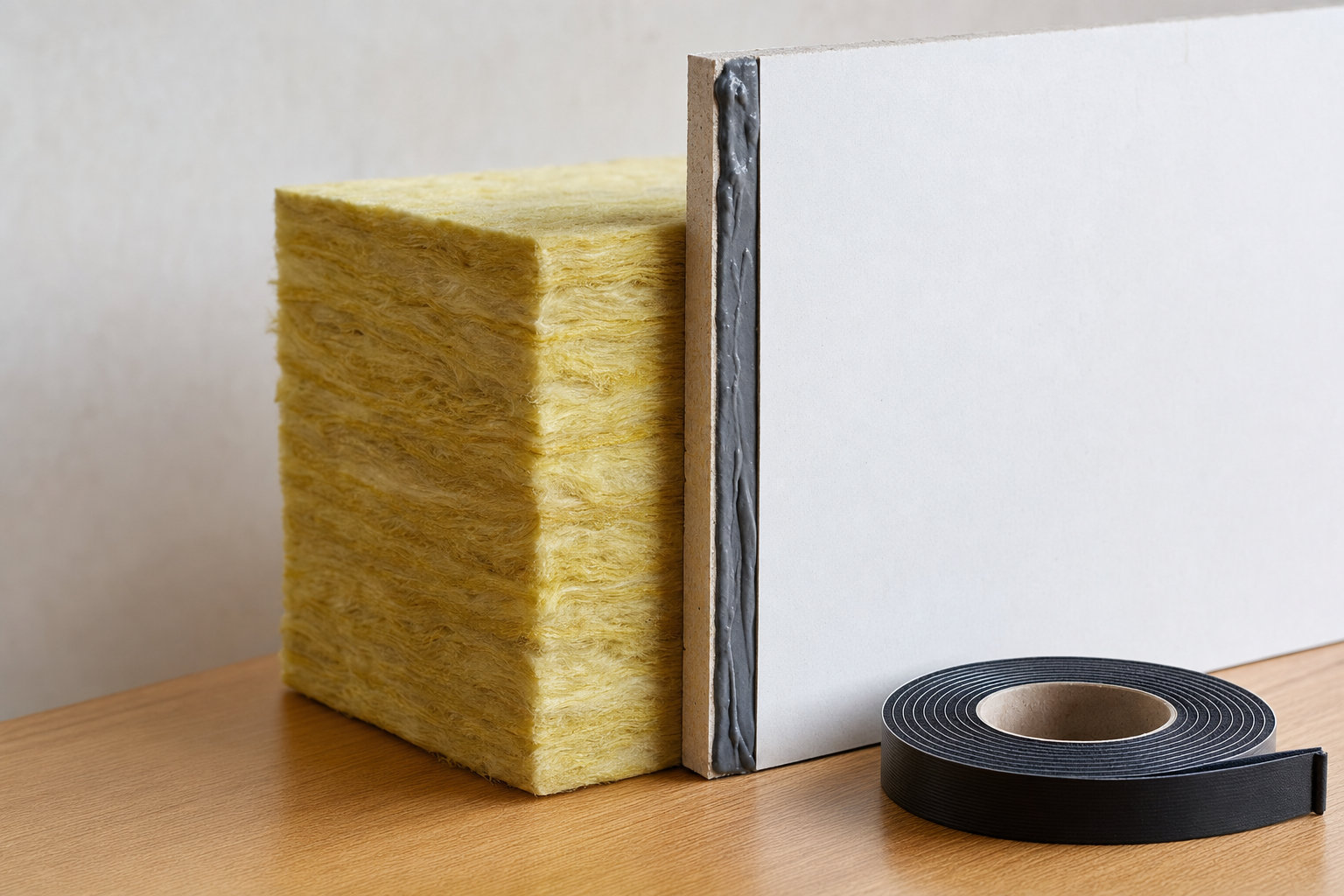
Key approaches include decoupling surfaces to stop vibration transfer, applying sound-absorbing insulation such as mineral wool, and sealing gaps with acoustic caulk. Floors benefit from resilient underlayment, while ceilings and walls can be upgraded using double layers of drywall and damping compounds where space permits.
Common mistakes and overlooked sound pathways
Over-insulating a single area without addressing leaks or flanking paths often reduces effectiveness. Weatherstripping, careful sealing around windows and doors, and acoustical treatment at loft edges and stairs all contribute to thorough sound control.
Ignoring mechanical or appliance noise can lead to persistent hum, especially in small homes where ventilation is essential. When planning improvements, you can reduce these issues by isolating appliances, using quiet airflow design, and minimizing rigid connections.
Strategies for finishing and practical planning
Furnishings play a large role in dampening sound reflections without compromising space. Thick rugs, upholstered furniture, or heavy curtains absorb echoes, while thoughtful layouts create zones and offer modest privacy between sleeping and working areas.
Prioritizing upgrades by space, cost, and impact streamlines your approach to acoustic insulation, helping avoid unnecessary effort and spending. Assessing sources of noise and potential transfer paths allows you to apply effective and tailored solutions for better daily living.