In a tiny home, a minor operating conflict rarely stays minor. A window crank catches a blind, a door handle meets a shelf, or built-in storage makes a deadbolt or casement lock difficult to reach. The issue is never how clean the floor plan looked on paper before construction; it is how windows, interior passages, and operating hardware actually behave once the home is inhabited.
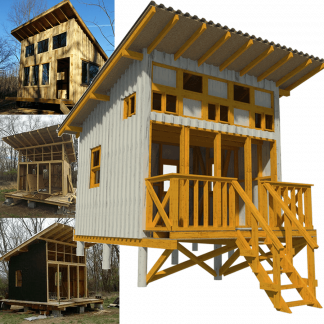
Vetting swing clearances, hardware projections, and interior traffic paths early is why relying on proven, field-tested layouts—such as the millimeter-precise blueprints found in Pinup Houses tiny house plans—prevents awkward conflicts before rough openings and cabinetry are locked in.
The most useful pre-build check starts with a simple question: can every window sash, door, cabinet face, blind, and lock move through its full range of motion without clipping adjacent finishes or pinching fingers?
Start With the Window or Door, Not the Furniture
Open each window and door all the way. A sash should not need extra force, and a door should close without being lifted, slammed, or pulled sideways. Try the locks and latches when the window or door is naturally closed.
If something binds, note exactly where the resistance begins. Moving a chair or narrow cabinet may restore access, but it will not fix a sticking sash, a misaligned door, or hardware that has shifted.
Separate Comfort Problems From Space Problems
In a tiny home, even a small issue with window insulation or air sealing can be noticeable because living areas are so close to exterior windows and doors. Before adding a heavy curtain or moving the seating area, check whether the window closes fully and whether the seals touch evenly around it.
This difference matters. Changing the layout may make a draft less noticeable, but it will not show where the air is entering. Look for visible gaps, damaged seals, or a sash that no longer sits evenly, and note the location before deciding what to change.
Check Where Hardware and Treatments Meet
Cranks, handles, locks, and blind parts share the same limited depth. Lower the blind while the window is closed, then raise it and operate the window. Confirm that the bottom rail clears the handle and that the treatment does not make the lock difficult to reach.
Existing blind hardware deserves its own test. A loose bracket, uneven headrail, or damaged control can look like a clearance problem when the blind itself needs attention. Follow the product’s safety instructions and avoid improvised repairs when the controls are unfamiliar.
Give Doors and Closers Their Full Space
A compact entry can contain trim, hooks, shelving, storage, and more than one moving door. Open each door fully and test the handle, latch, and closer. A door closer can conflict with nearby trim, shelving, or storage in a tight entry.
Pay attention to contact marks. A polished spot on trim, a loose hook, or repeated scuffing can reveal a conflict that is easy to miss while the door is still. Check storm doors separately because their swing and closer add another moving part to the entry.
Keep Repair Access Available
Built-in storage can use space efficiently while making basic checks or repairs difficult. Leave practical access to locks, hinges, tracks, brackets, and removable screens. Reaching a fastener or taking out a screen should not require dismantling the storage system.
Note where the sash binds or the door rubs, and try it again after accessible tracks are cleaned. When the window or door still does not work normally, Chicago-area homeowners can find repair options at capahome.com.
Watch for Conflicts That Develop Over Time
A tiny home can work well at move-in and become harder to use as storage shifts, hardware loosens, or seasonal changes affect how a window or door fits. Include these moving parts in routine home checks instead of waiting until a blind, lock, or door becomes unusable.
Keep a short note for each problem:
- which window, door, or part is involved;
- the exact movement that does not work;
- whether it changes with the weather or the position of nearby storage;
- whether normal locking, privacy, or access is affected.
These details help separate a problem caused by the surrounding space from one that needs repair.
Let Every Moving Part Finish Its Job
Compact living depends on reliable movement more than visual emptiness. Windows need room to open and lock. Doors need a clear swing and a proper fit. Blinds need to move without catching hardware, and screens need to remain accessible.
When those parts work together, the home feels easier to use without requiring a new floor plan. The goal is not to protect empty space. It is to give every moving part the small amount of room it needs.