
Heat pump hot water systems have become a popular choice in Perth, and for good reason. They use far less electricity than a conventional electric storage system, they suit our warm climate well and they can pair nicely with rooftop solar. But one question comes up again and again: are they noisy?
The short answer is that a heat pump does make some noise, but with the right model and the right location, most households barely notice it. Whether you are retrofitting an existing property or browsing architectural house plans to design an efficient home layout from scratch, factoring in outdoor utility placement early makes all the difference. Here is what you need to know.
Why Heat Pumps Make Noise
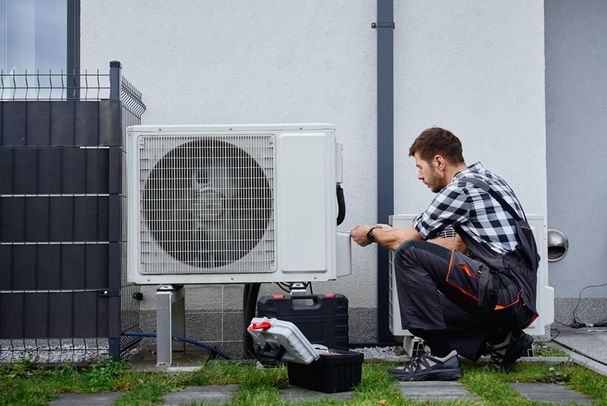
A heat pump works much like a reverse air conditioner. A fan draws in outside air, and a refrigerant absorbs heat from that air. A compressor then raises the temperature of the refrigerant, and that heat is transferred to the water in the tank.
Both the fan and the compressor make sound while the unit is running. The noise is usually described as a steady hum, similar to an air conditioner’s outdoor unit or a modern fridge.
How Loud Are They?
Noise levels vary by brand and model, but many modern residential heat pumps operate somewhere around 40 to 50 decibels at a short distance. To put that in context:
- 30 dB is similar to a quiet bedroom at night
- 40 dB is similar to a quiet library or a soft hum
- 50 dB is similar to a quiet conversation or a fridge running nearby
Many newer units are designed to be quieter than older models, and some have a low-noise or night mode. Always check the manufacturer’s sound rating when comparing systems.
Timing Makes a Difference
Most heat pumps run for a few hours at a time to heat the tank. If your unit is set to run overnight, the hum may be more noticeable when everything else is quiet. That is why many Perth households set their heat pump to run during the day, which has two benefits:
- Daytime air is warmer, so the heat pump works more efficiently.
- If you have solar panels, it can run on your own solar power instead of grid electricity.
A timer or smart controller makes this easy.
Where to Put Your Heat Pump
Placement is the single biggest factor in whether noise becomes an issue. Consider these tips:
Keep It Away From Bedrooms
Avoid placing the unit directly outside a bedroom window, especially yours or your neighbour’s. A side wall near the laundry, garage or kitchen is often a better choice.
Think About Your Neighbours
In many Perth suburbs, homes are close together, and side setbacks can be narrow. A unit that sounds fine to you might be right outside your neighbour’s bedroom. Western Australia has environmental noise regulations, so it is wise to choose a location that keeps noise at the boundary to a minimum.
Avoid Echo Chambers
Narrow side passages between two walls, or corners surrounded by hard surfaces, can reflect and amplify sound. A more open position allows noise to dissipate.
Allow for Airflow
Heat pumps need good airflow to work efficiently. Placing a unit in a cramped, enclosed space can reduce performance and may make the compressor work harder. Follow the manufacturer’s recommended clearances.
Use a Solid Base
A level, solid base, such as a concrete pad, reduces vibration. Anti-vibration mounts can also help, particularly if the unit is near a wall.
Consider Condensate Drainage
Heat pumps produce condensation, a bit like an air conditioner. The location needs a suitable path for that water to drain away safely without pooling or staining paving.
Split vs Integrated Systems
Some heat pumps come as integrated units, with the compressor on top of the tank. Others are split systems, with the compressor housed separately, like an air conditioner’s outdoor unit. Split systems allow you to place the noisier part further from living areas, which can be useful on tight blocks.
Get Professional Advice
A licensed plumber who installs heat pump hot water systems regularly can recommend models known for quieter operation and help you find the best location on your property. They will also consider plumbing connections, electrical supply and drainage.
Quiet, Efficient Hot Water
Heat pumps are not silent, but they don’t need to be a nuisance. Choose a well-rated model, think carefully about placement and set it to run during the day. You will enjoy lower energy bills and plenty of hot water, without disturbing your sleep or your neighbours.