A studio is the one home where every decision is on show at once. There is no spare room to hide a mistake in, no hallway to absorb the clutter, no door to close on an unmade bed. That sounds like a constraint, and it is, but it is also exactly why a studio is the most satisfying space there is to design well. Get it right and the whole room reads as deliberate.
Small-space living is a global story. The studio is the classic first home for the young professional who just landed a job downtown, for the couple who would rather spend on the city than on square footage, for anyone keeping life light. It is booming in growing American cities, and in some of the world’s densest rental markets it is simply the default. Browse the dubai studios for rent in a high-rise hub like Dubai and you will scroll past thousands of them, but the design challenge is identical whether the address is Salt Lake City or Singapore. Designing a studio well is a genuinely useful skill, not a niche one.
The trick to it is simple to say and easy to forget. The right moves depend entirely on the studio you actually have. So that is where we will start, with the real spaces a rental market hands you, sorted by size.
Start With the Box You Are Actually Renting
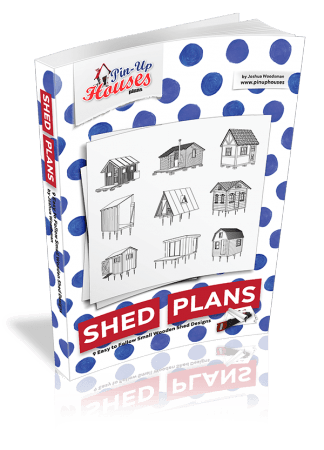
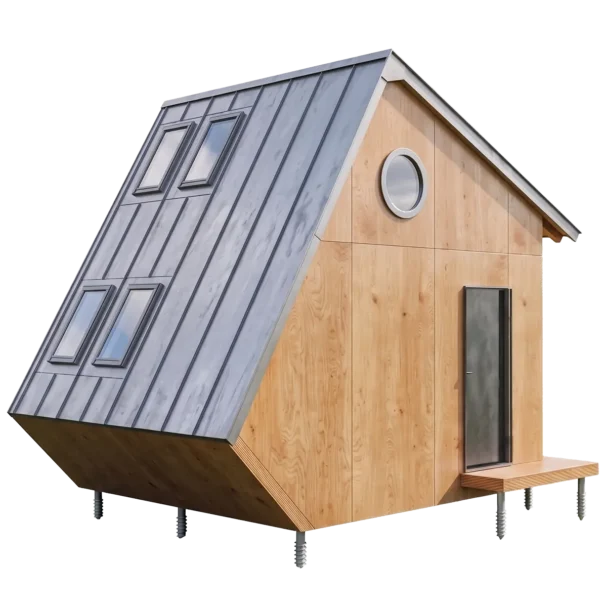
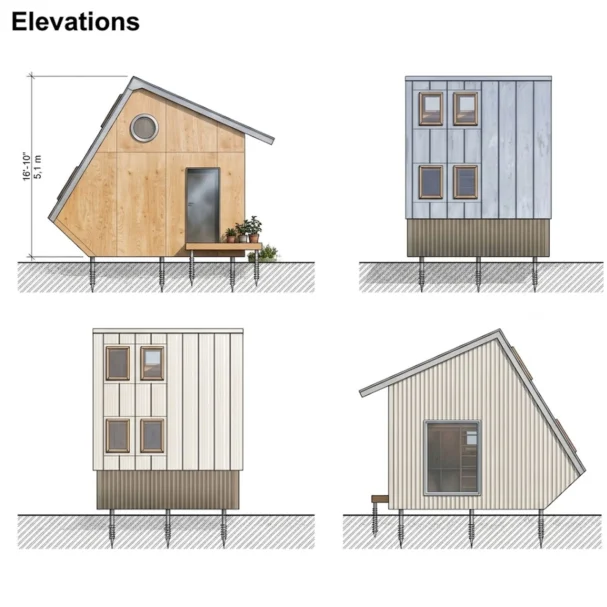
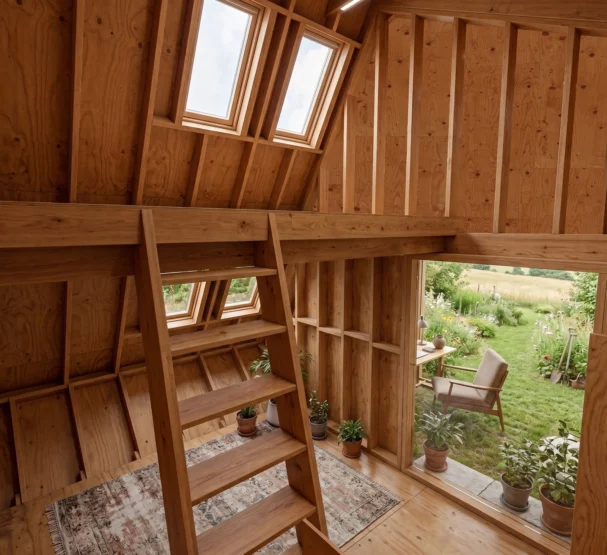
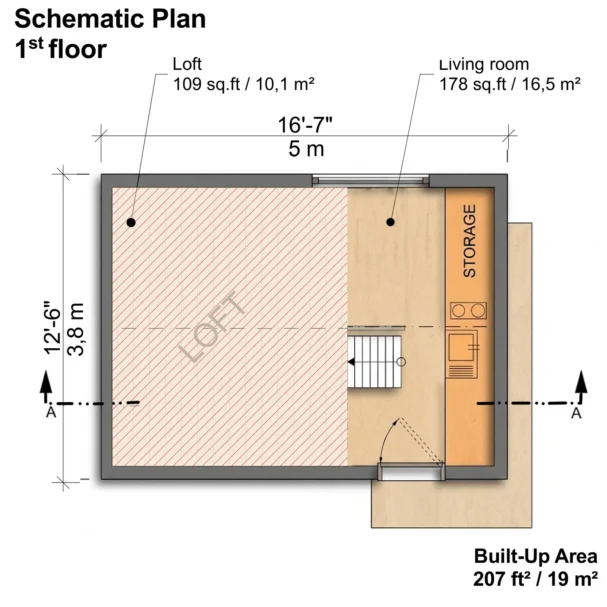
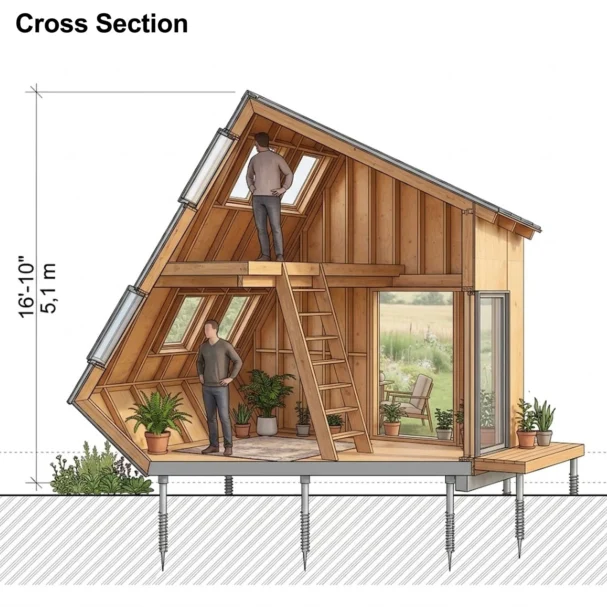
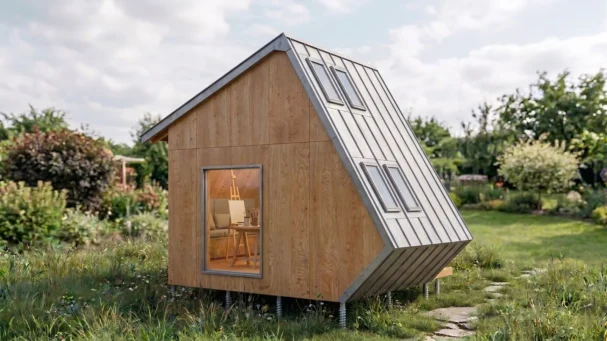
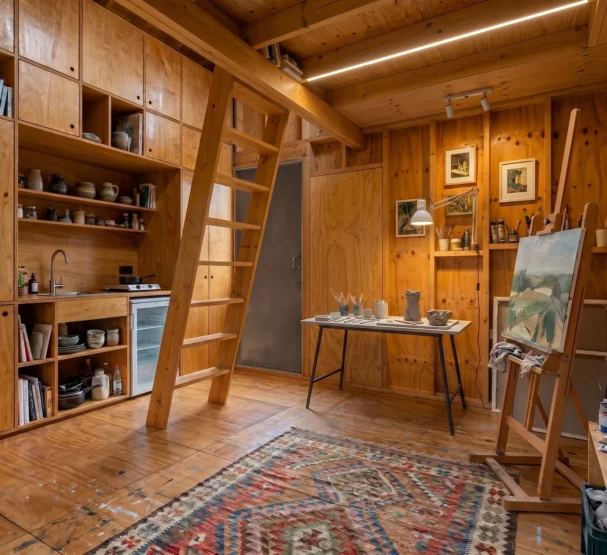
Before you style a single corner, it helps to know your canvas. Most rental studios land somewhere between 320 and 560 square feet, and the layout you are handed shapes every decision that follows. A near-square 360 square foot room asks for completely different choices than a long 500 square foot rectangle with a balcony. If you are looking for smart layout inspiration or compact living ideas, exploring Pin-Up Houses small house plans can give you a great sense of how to maximize tight footprints. Almost all of them share two things worth knowing: a built-in closet, which you should design around rather than duplicate, and an open plan where the kitchen, bed, and sofa all share one breath of space.
There are three studios you are most likely to meet. Find yours, then read the rest of this guide with it in mind.
The compact studio, around 320 to 400 square feet. You will find these in value and budget buildings. The shape is usually close to square, with a kitchenette running along one wall. The challenge is honest: one room doing four jobs, with no slack anywhere. Here, restraint is the whole strategy. One or two clever pieces, and nothing spare.
The standard studio, around 440 to 500 square feet. This is the most common rental studio, the one you will see across mid-market buildings everywhere. It tends to be a rectangle with a separate kitchen nook and, often, a balcony. The risk with a rectangle is that it reads as a corridor, a thin run of space you walk through rather than live in. Most of the work here is about breaking that line.
The premium high-rise studio, around 500 to 560 square feet. In downtown towers and waterfront buildings, studios get a little more floor and a lot more glass. The view is the feature, and floor-to-ceiling glazing is both the gift and the problem, as we will come to. With more light and more space, the job shifts from squeezing every inch to managing all that sun.
Zone the Space Without Building a Single Wall
The first instinct in an open studio is to divide it, and the second is to buy something to do the dividing with. Resist the second one. The best zoning in a small home is read by the eye, not built from furniture, and most of it is free.
Your single most powerful move costs nothing: turn your sofa around. Float it at the foot of the bed with its back to the sleeping area, and you have drawn a line between bedroom and living room without adding a thing. Guests sit facing the room, not your pillows. In a compact studio, this one decision does most of the heavy lifting on its own.
After that, work in layers. An area rug under the sofa anchors a living zone and tells the eye where one room ends and the next begins. A second rug by the bed quietly does the same. Lighting carries the idea into the evening, when a pendant over a small dining table, a lamp behind the sofa, and a soft bedside light each create their own pool, and each pool reads as its own little room. None of it touches a wall.
When you do want a physical break, keep it low and open. A slim console or a low, open-backed shelf placed across the width of a rectangular studio interrupts that corridor feeling while still letting light travel the full length of the room. In a high-rise studio with a wall of glass, a single sheer curtain on a tension track can screen the bed from the glazing at night without stealing any of the daytime brightness. What you are avoiding, always, is the solid, floor-to-ceiling partition that chops a small room into two cramped ones.
Furniture That Earns Its Square Footage
In a studio, every large piece has to earn its footprint. If it only does one thing, it probably should not come in. That single rule will spare you the most common mistake in small-space design, which is buying for the home you wish you had rather than the one you are standing in.
Start with the bed, because it is the biggest object in the room and your biggest opportunity. A storage bed, with drawers underneath or a lifting base, is the highest-value purchase in any studio. It swallows bedding, off-season clothes, and everything else that would otherwise need a closet you do not have. If you genuinely host often, a good sofa bed can replace both a sofa and a spare bed, but only buy one if those guests are real and regular. A sofa bed you unfold twice a year is just an uncomfortable sofa.
For tables, think expandable. A drop-leaf or nesting table seats two for dinner and folds back to a slim profile the rest of the time, which suits the compact and standard studios especially well. Then take your storage up the walls. Floating shelves and tall, narrow units draw the eye upward and use the height most people waste, without eating the floor that makes a room feel open.
One point worth flagging: many rental studios come with a built-in closet. Build your whole storage plan around it, and do not buy a freestanding wardrobe to sit beside it, since that is the fastest way to lose the floor you are trying to protect. And size everything down a notch from your instinct. A two-seater sofa, not a three. A compact table, not the one that seats six you will never have over. In a 400 square foot room, oversized furniture does not look generous, it looks cramped.
Work With Your Light, Not Against It
Here is where a lot of small-space advice quietly fails. Nearly every guide tells you to maximize natural light, to throw the curtains open and let it flood in. In a sunny climate, or a high-rise studio with a wall of west-facing glass, that is not your problem. Your problem is the opposite: too much light, too much heat, and a cooling bill to match. The goal is not to chase light. It is to control it.
The answer is to layer your window treatments. Hang sheers to soften harsh daylight and to keep a little privacy when your neighbors are close, which in a dense building they often are. Then add a blackout layer for the brutal afternoon hours and, just as importantly, for sleep, because in a single-room home your bedroom is also your living room, and you cannot retreat to a separate dark space to rest. The two layers together let you turn the light up and down through the day rather than living at its mercy.
The familiar tricks still work, as long as you frame them for your climate. Lean on a light, cool-toned palette, soft whites, sand, pale stone, and cool grays, which reflect heat and light rather than soaking them up, and make the room feel both larger and calmer. Use mirrors with intent, placed to catch and double a good view or to bounce light deeper into the room, never angled to amplify the glare you are trying to tame. And do not forget the evening. A studio can feel clinical under a single overhead light, so layer in a couple of warm lamps to soften the room once the sun finally goes down.
The Renter’s Rulebook: Style Without Losing Your Deposit
There is one assumption running underneath everything above, and it is worth saying plainly: that you are allowed to make changes. Most studios are rented, and most leases will not let you paint a wall or drill a hole. The good news is that almost every idea in this guide has a reversible version. Reversible by design is simply how small-space style works when you rent.
So here is the rulebook. Hang curtains and any soft dividers on tension rods, which wedge into place and leave the walls untouched. Where you would have painted or tiled, reach for peel-and-stick wallpaper or removable tiles that lift away cleanly when you leave. Choose freestanding and leaning shelves over fixed ones, so your storage moves out the day you do. Let rugs, cushions, throws, and lamps do the heavy lifting on color and warmth, because they are the parts of the room that are entirely yours to change and take with you. Use removable adhesive hooks instead of nails for art and mirrors. And if you ever do swap out a fixture, keep the original boxed so you can put it back before the final inspection.
None of this limits the look. It just means the studio can be transformed while you live in it and handed back spotless when you go, with your deposit intact and your best pieces coming with you to the next place.
Bringing It Together
Design the studio you actually have, not the one you wish you had. Start from its real size and shape, zone it by eye, choose pieces that earn their place, manage your light rather than fighting it, and keep every change reversible. Do that, and the result is not a smaller version of a home. It is a complete one.
Frequently Asked Questions
How small is too small for a studio?
Most studios sit between 320 and 560 square feet. Below around 350 square feet you simply commit harder: one multifunctional hero piece, such as a storage bed, and zoning done entirely through rugs, lighting, and furniture orientation rather than anything that takes up floor.
Can I really decorate a rented studio?
Yes, as long as you keep it reversible. Tension-rod curtains, peel-and-stick wallpaper, freestanding shelves, and plenty of soft furnishings let you transform the space and undo all of it before you move out.
Do furnished studios leave room for personal style?
They do. When the big furniture is fixed, your style comes through the soft layers instead: textiles, rugs, lighting, and art on leaning frames, layered over what is already there.