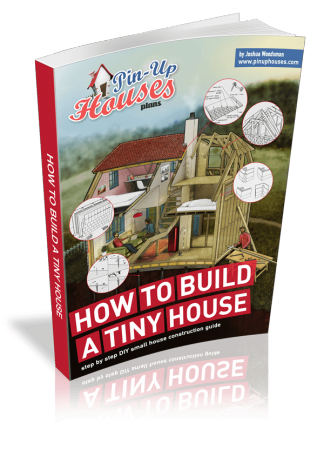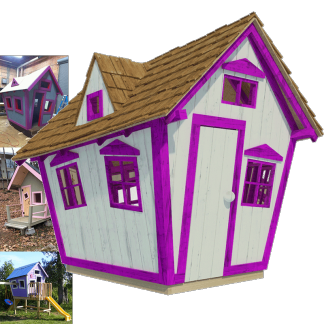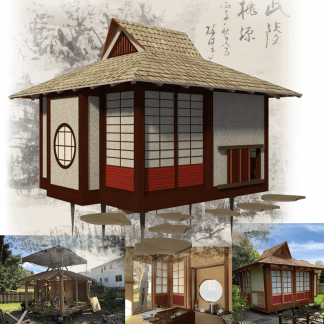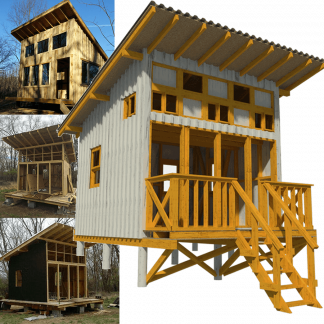
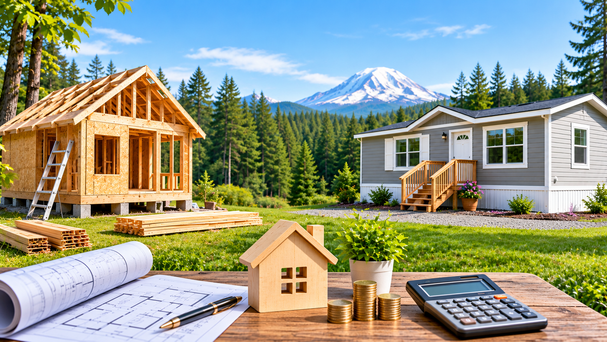
Building a small house or buying a manufactured home might seem like two different ways to reach the same goal: owning an affordable place to live. And if you already own land in Washington, you’ve got a pretty good head start—especially if you start browsing small house plans to see what fits your property.
But what should you put on that land?
You could build a smaller house yourself, choosing the materials, layout, and construction schedule. Or you could purchase a manufactured home that’s already been built in a factory and have it delivered to your property.
The second option sounds easier, doesn’t it?
There’s less construction work to manage, and the home could be ready sooner. However, once you start looking into financing, things become more complicated.
That’s because lenders don’t always treat site-built houses and manufactured homes the same way. Understanding these differences can help you choose an option that works for your budget.
Why Small Houses and Manufactured Homes Have Different Financing Requirements
You’d think a house is a house, regardless of how it’s built. But lenders consider how a property is constructed, installed, and legally classified.
Say you’re building a small house on land you already own. You purchase materials, obtain permits, and gradually construct a permanent structure. Once completed, that house generally becomes part of your real estate.
Manufactured homes work differently. They’re constructed in factories, transported to their destinations, and installed on prepared sites. Unlike conventional site-built houses, manufactured homes have permanent steel chassis and must meet federal construction and safety standards established by the Department of Housing and Urban Development (HUD).
In Washington, a manufactured home can be classified as personal property or real estate, depending on its legal status.
This distinction matters because it affects which financing options are available.
A manufactured home classified as personal property may require a chattel loan, which is secured by the home rather than the land. When the home is legally classified as real estate and meets lender requirements, it may qualify for a traditional mortgage.
Washington allows qualifying manufactured homes to be legally treated as real estate through its Title Elimination process.
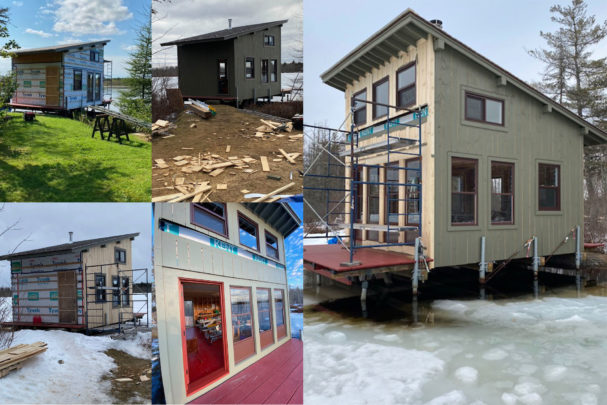
How Financing Works for Both Options in Washington
Whether you’re building or buying, you’ll need to consider more than the advertised price. Construction expenses, installation requirements, loan conditions, and ongoing ownership costs can all influence your decision.
Financing a Small House You’re Building
If you’re planning to construct a small house, a construction loan is one possible financing option.
Unlike a traditional mortgage, a construction loan generally releases funds in stages as work progresses.
For example, the lender might release one payment after foundation work, and another after framing is completed. Before approving financing, lenders typically want detailed plans, an estimated budget, and information about the contractor.
However, financing a DIY project can be challenging because some lenders require licensed builders or impose additional conditions on owner-builders.
There’s another approach that appeals to many small-home builders: building in stages and paying as they go.
Instead of borrowing enough money to complete everything at once, they save for individual construction phases. Someone might pay for the foundation first, then purchase framing materials several months later.
This pay-as-you-go method can reduce borrowing costs and give owners greater control over spending. However, construction may take considerably longer, and partially completed structures still need to meet applicable permit and inspection requirements.
Financing a Manufactured Home
Manufactured-home financing depends heavily on whether you own the land and how the home will be installed.
If you’re buying both the land and the manufactured home together, you may qualify for a traditional mortgage, provided the property meets the lender’s requirements.
But what if you already own the land?
You may still qualify for mortgage financing without purchasing additional land. In fact, existing land equity can work in your favor.
Some lenders allow borrowers to use the equity they’ve built up in their land toward their down payment. This may reduce the amount of additional cash needed upfront.
For a manufactured home to qualify for conventional real estate mortgage financing in Washington, it generally must be installed on an approved permanent foundation and complete the state’s Title Elimination process, which legally classifies the home as real property.
The lender will also assess the property’s appraisal, installation requirements, borrower qualifications, and other eligibility conditions. Owning land does not automatically guarantee mortgage approval.
If the home remains personal property, particularly when placed on rented land, a chattel loan may be a more likely financing option. These loans can carry higher interest rates and different repayment terms than conventional mortgages.
When comparing manufactured home financing, ask lenders whether they consider existing land equity and what documentation they require for permanent installation and title elimination.
It’s also worth checking whether the quoted financing covers transportation, foundation preparation, utility connections, and installation.
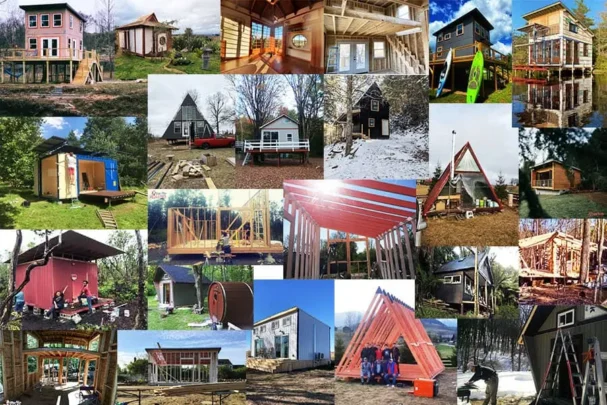
The DIY Advantage: Building Gradually vs. Paying for a Manufactured Home
One important difference between these options is how expenses are managed.
With a small DIY house, you may be able to spread construction costs over several months or even years. You can purchase materials when funds become available and adjust your schedule according to your financial situation.
Manufactured homes usually require a more complete financial plan before delivery. Buyers must arrange payment for the unit itself, transportation, site preparation, foundation work, and installation.
That doesn’t necessarily mean every expense must be paid in one lump sum. Some financing arrangements release funds at different stages. However, the overall purchase and setup costs generally need to be accounted for upfront.
For someone with limited savings but plenty of construction experience, building gradually might offer greater financial flexibility.
For someone who prefers a predictable construction process and wants to avoid managing a lengthy DIY project, a manufactured home could be more practical.
What Should You Compare Before Making a Decision?
Start by calculating the complete cost of each option rather than comparing only the construction estimate or manufactured home’s purchase price.
For a small house, include materials, labor, permits, utilities, inspections, and potential construction delays.
For a manufactured home, include delivery, foundation installation, utility connections, site preparation, and any title-related expenses.
Then compare loan interest rates, repayment terms, insurance, property taxes, and the amount of cash you’ll need before moving in.
If you already own land, ask whether its equity could reduce your financing requirements. You should also check local zoning and building regulations to confirm that your preferred housing option is permitted on the property.
Conclusion
Building a small house and purchasing a manufactured home can both make homeownership more affordable, but they offer different financial advantages.
DIY construction provides flexibility, particularly when you can build in stages without relying heavily on loans. Manufactured homes offer a more standardized construction process and may qualify for traditional mortgages when properly installed and legally classified as real estate.
If you already own land in Washington, don’t assume manufactured-home financing is out of reach. Your land equity could make a meaningful difference.
Compare the full costs, discuss your options with lenders, and consider how much time and hands-on work you’re prepared to invest before making your decision.