
Indiana doesn’t have the dramatic elevation changes or coastal exposure that create obvious climate zones in some states, but it still spans a genuinely meaningful range of roofing conditions from its northern border to its southern one.
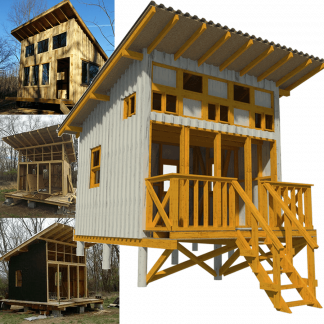
A roofing approach that makes sense in South Bend—where heavy lake-effect snow loads and recurring freeze-thaw cycles dictate aggressive ice-dam protection—can be a poor fit for a home in Evansville, where persistent summer humidity, higher heat indexes, and severe convective storms demand superior attic ventilation and enhanced wind ratings. That same regional discipline applies when choosing roof pitches, rafter spans, and overhang depths for outbuildings and detached structures; reviewing engineered details like those in Pinup Houses garage plans helps builders match structural loads and moisture barriers directly to local climate demands rather than relying on generic rules of thumb.
Understanding these geographic differences helps homeowners, builders, and property managers separate genuinely relevant guidance from advice written for a different part of the state entirely.
The Northern Tier: Lake-Effect Snow and Severe Convective Storms
Counties closest to Lake Michigan, including St. Joseph, Elkhart, and LaPorte, deal with genuine lake-effect snow that piles up considerably heavier than the drier snow that falls elsewhere in the state.
This drives real structural requirements, with residential roofs in this corridor commonly designed for snow loads meaningfully higher than inland Indiana communities see.
Beyond winter, this same broader northern region sees intense spring and summer severe thunderstorm activity, with large hail and damaging straight-line wind a recurring, well-documented risk across the flat farmland that makes up much of Northern Indiana.
Materials that perform well here tend to include standing seam metal roofing for efficient snow shedding, impact-resistant shingles given the hail frequency, and robust ice-and-water shield protection given how reliably ice dams form in this climate.
The Central Corridor: Freeze-Thaw and Hail Without the Lake Effect
Indianapolis and the surrounding central counties don’t see the lake-driven snow totals of the northern tier, but they deal with their own combination of challenges: genuine freeze-thaw cycling through the winter months, severe hail events on a regular basis, and hot, humid summers that promote algae growth on shaded roof slopes.
This region’s commercial roofing market, in particular, weighs freeze-thaw resilience heavily when choosing between membrane systems for flat and low-slope buildings, since Central Indiana’s temperature swings genuinely test seams and flashing details over a roof’s lifespan.
The Southern Tier: Milder Winters, Different Priorities
Southern Indiana, including the area around Evansville near the Ohio River, experiences a noticeably milder winter than the state’s northern counties, with less snow load and fewer extreme cold events.
This shifts the priority list: UV exposure and humidity-driven algae growth during long, humid summers become relatively more significant considerations than snow load or severe ice damming, since the region simply doesn’t accumulate the same winter stress that Northern Indiana roofs are built to withstand.
Why a Single Statewide Recommendation Misses Real Differences
A roofing product or installation approach recommended without specifying which part of Indiana it addresses is giving incomplete guidance. A roof specified for Northern Indiana’s snow load and hail exposure doesn’t need the same emphasis in Southern Indiana, where those factors are considerably less significant, while Southern Indiana’s greater emphasis on UV and humidity resistance isn’t the dominant concern for a home dealing with genuine lake-effect snow each winter.
What This Means When Comparing Contractors or Researching Options
If you’re evaluating roofing advice or contractor recommendations and the information doesn’t specify a region within the state, it’s worth treating that as an incomplete picture rather than universally applicable guidance for an Indiana home.
The right shingle rating, underlayment approach, and maintenance schedule genuinely depend on which part of this state your specific property sits in.
Getting Guidance Suited to Your Specific Region
Because Indiana’s roofing demands vary significantly from north to south, working with a professional roof replacement contractor in Indiana who can speak specifically to your region’s actual climate pattern, rather than a generic statewide answer, gives you materials and installation details that actually match what your property faces.