

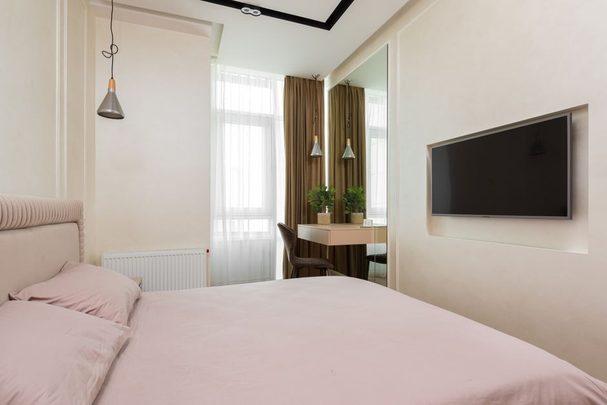
If you’re planning a small home in Canada, your bedroom can’t be an afterthought. Long winters, dry indoor air, compact floor plans, and multipurpose rooms all change how well you sleep. A good-looking space matters, but comfort depends on much more than decor—as seen in practical layouts from Pin-Up Houses, you need layout, light control, storage, temperature planning, and the right sleep surface working together so your room feels calm, functional, and genuinely restorative every night.
Start With the Bedroom Footprint, Not the Furniture
A lot of sleep problems begin before you even buy a bed. In a small Canadian home, every square foot has a job, so your bedroom layout needs to support movement, storage, and quiet. If you squeeze in oversized furniture, the room starts to feel cramped and mentally busy.
You’ll sleep better when your bed placement leaves enough clearance on both sides and keeps you away from direct drafts near windows. In colder provinces, that matters more than people expect. Exterior wall placement can affect thermal comfort, especially in compact builds with limited airflow.
When you’re reviewing floor plans, pay attention to window orientation, closet depth, and whether the room can handle blackout treatments without blocking ventilation. Good bedroom design is part architecture, part habit formation. If the room flows well, your nightly routine usually does too.
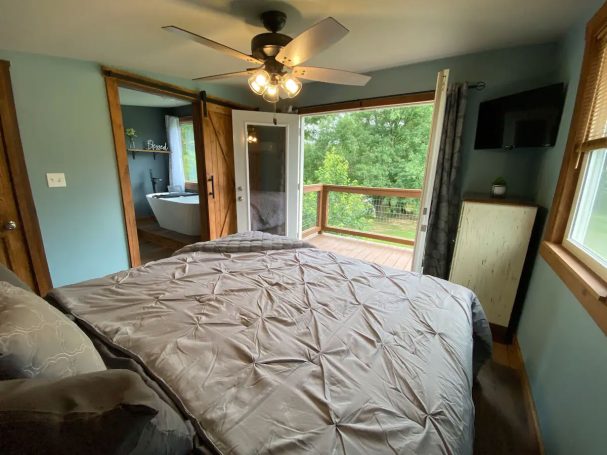
Think Like a Builder: Insulation, Sound, and Air Sealing Matter
Sleep quality has a building-science side that rarely gets enough attention. If your room loses heat quickly, carries hallway noise, or feels stuffy by morning, no expensive bedding will fix the core issue. In a smaller house, sound transfer and temperature fluctuation become even more noticeable.
Wall assembly, insulation values, and air sealing details influence how stable your bedroom feels overnight. That’s especially relevant in Canada, where seasonal extremes can turn a poorly planned room into a space that’s too hot in July and too cold in January.
If you’re choosing a plan for a compact build, look for designs that allow smart zoning between bedrooms and louder areas like kitchens or living spaces. Mechanical ventilation also plays a role. Fresh-air exchange can help with humidity control and indoor air quality, both of which affect how deeply you sleep and how rested you feel in the morning.
Your Mattress Choice Changes More Than Comfort
Most people think of a mattress as a softness decision. It’s more technical than that. Support, pressure relief, spinal alignment, edge stability, and adjustability all shape how your body handles six to eight hours in one position. If you wake up stiff, numb, or sore, the issue may be biomechanical rather than just “bad sleep.”
That’s where choosing a mattress for scoliosis becomes especially relevant if you deal with spinal curvature, uneven pressure points, or back pain. You need a surface that supports your body without forcing it into a flat position it can’t comfortably hold.
In a compact home, your bedroom often doubles as a recovery space, reading space, and private retreat. A mattress that matches your physical needs can improve not just comfort, but energy, concentration, and how usable that room feels overall.
Light Control Is a Bigger Deal in Canadian Seasons
Canada’s daylight swings can throw off your sleep more than you realize. In summer, early sunrises and long evenings can delay melatonin production or wake you too soon. In winter, limited daylight can flatten your energy and blur the line between day and night.
Your bedroom should help regulate circadian rhythm rather than disrupt it. Blackout curtains or layered window coverings are one of the simplest upgrades with real impact. In compact homes, where bedrooms may face streets or neighboring lots, they also improve privacy and reduce ambient light pollution.
Try to keep overhead lighting warm and dimmable at night. Cool, bright LEDs can make your brain feel like it’s still daytime. If you read before bed, use targeted task lighting instead of lighting the whole room. That setup feels better visually and gives the room a quieter, lower-stimulation atmosphere once you’re winding down.
Storage Affects Stress More Than Most Design Advice Admits
Clutter has a physical footprint and a mental one. In smaller homes, that pressure builds quickly because there’s less room to hide daily mess. Piles of clothes, exposed bins, and random bedside items can make your brain register the room as unfinished work instead of a place to rest.
Built-in storage, under-bed drawers, wall-mounted shelves, and narrow wardrobes can keep the floor area open. That matters because visual spaciousness often translates into a calmer pre-sleep environment. You don’t need a minimalist show home. You need a room where essential items have predictable places.
This is where smart house planning pays off. Bedroom storage should be integrated into the original design whenever possible, not treated as an afterthought after move-in. A compact home performs better when each room supports fewer, better habits. You spend less time reorganizing and more time actually relaxing.
Temperature Layers Beat Cranking the Thermostat
A bedroom that stays comfortable overnight usually relies on layers, not one aggressive heating setting. In Canadian homes, especially smaller or highly efficient ones, overheating can be just as disruptive as feeling cold. You might fall asleep warm, then wake up sweaty at 3 a.m.
Aim for a sleep setup that lets you fine-tune your comfort. Breathable sheets, seasonally adjustable duvets, and mattresses with better airflow can help you avoid temperature spikes. If your room has strong solar gain during the day, window coverings and evening ventilation become more important.
Flooring choices matter too. Carpet feels warmer underfoot in winter, while some wood and laminate surfaces can make the room feel cooler unless balanced with rugs. Your goal isn’t a perfectly static room. It’s a stable sleep microclimate that doesn’t force your body to keep adapting all night.
Design for Real Habits, Not Idealized Bedroom Photos
A sleep-friendly bedroom has to reflect how you actually live. If you charge devices beside the bed, plan outlets accordingly. If one person wakes earlier, think about lighting zones and circulation paths. If your bedroom sometimes serves as a workspace, create stronger boundaries so the room can shift back into sleep mode at night.
This practical mindset is especially important when you’re building from a plan. Beautiful renderings can hide weak points in daily use. Look closely at door swings, nightstand space, wall lengths, and whether the room allows practical furniture placement without awkward dead zones.
Small homes reward intentionality. You don’t have space for features that only look good in photos. A better bedroom supports your posture, your schedule, your storage needs, and your local climate. When those pieces line up, better sleep stops feeling like luck and starts feeling built into the house itself.
A Better Bedroom Starts Long Before Bedtime
If you want better sleep in a small Canadian home, think beyond bedding and paint colors. Your bedroom works best when architecture, comfort, storage, light, and physical support all pull in the same direction. That means planning the room with real routines and real conditions in mind.
A well-designed sleep space doesn’t need to be large or expensive. It needs to be deliberate. When your layout reduces friction, your environment stays stable, and your bed actually supports your body, the whole room starts performing better. You feel it at night, and you feel it again the next morning when getting up doesn’t feel like a battle.