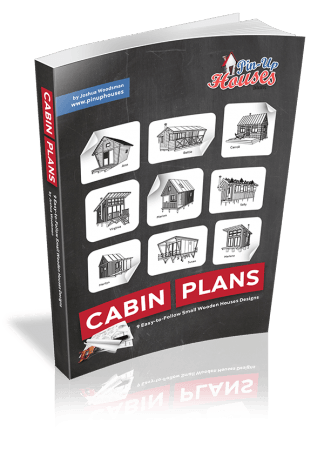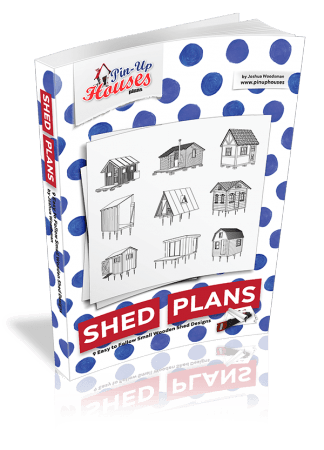
A small home can be an appealing alternative to buying a conventional house, especially when housing prices make it difficult to find something within your budget. Exploring customizable cabin and tiny house plans allows you to optimize square footage and lower construction expenses without sacrificing comfort.
Still, building a smaller house doesn’t automatically mean the project will be inexpensive. Land prices, material choices, and financing decisions all influence your final budget. Understanding the essentials of how to build a small house step by step before starting construction can save you from making costly mistakes halfway through.
Choose a house design that fits your budget
The size of your home matters, but the complexity of its design can have an equally important effect on construction costs.
A simple rectangular house with a straightforward roof is generally less expensive to build than one featuring several rooflines, unusual angles or complicated structural details. Even when two homes have the same square footage, their construction costs can differ considerably.
Start by identifying how much space you actually need. A 700-square-foot house with an efficient layout may provide enough room for a couple, particularly if the kitchen and living areas share an open floor plan.
Pay attention to how you use the space rather than trying to fit in as many rooms as possible. Built-in storage, well-positioned windows and practical furniture arrangements can make smaller interiors more comfortable without increasing the building footprint.
Before buying architectural plans, check local construction requirements. Some municipalities have minimum dwelling sizes, setback restrictions or specific rules governing permanent foundations.
Explore your home financing options early
Financing should be part of your planning process before you purchase land or commit to a contractor. The type of home you intend to build can determine which lending options are available.
For a house constructed on a permanent foundation, a construction loan may provide funding during the building process. These loans commonly release funds in stages as work is completed and inspected.
Some lenders offer construction-to-permanent loans, allowing the financing to transition into a traditional mortgage after completion. Others require you to arrange a separate mortgage once the property is ready for occupancy.
When comparing permanent financing options, choosing a fixed mortgage rate can make long-term budgeting easier because the interest rate remains unchanged throughout the loan term.
Suppose you borrow $150,000 over 30 years at a fixed interest rate of 6.5%. Your monthly principal and interest payment would be approximately $948, excluding property taxes and insurance.
Keep in mind that conventional mortgage financing may not be available for every small house. Homes built on trailers, certain prefabricated structures and owner-built projects can face additional lending requirements.
Ask prospective lenders about minimum property standards, appraisal requirements and financing eligibility before making major commitments.
Understand the actual cost of preparing your land
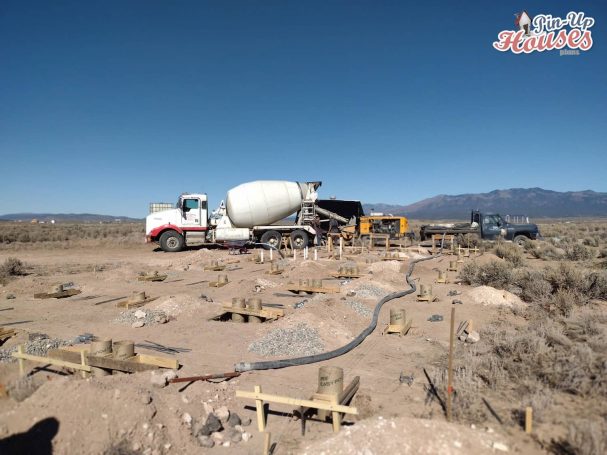
Finding affordable land can feel like a major victory, but the purchase price is only the beginning. An undeveloped lot may need extensive work before construction can start. Depending on its location, you’ll need to account for excavation, grading, utility connections and access for construction equipment. For example, a rural property without public sewer access may require a septic system or alternative solutions like an off-grid cabin setup, where the installation cost depends on soil conditions, local regulations and the system’s design. Water access presents another consideration. Connecting to a municipal supply may be relatively straightforward in an established neighborhood, while drilling a private well can introduce substantial additional expenses. Before purchasing a lot, investigate utility availability and request estimates from local contractors. A property with a higher purchase price but existing connections could ultimately cost less to develop.
Make strategic decisions about building materials
Construction materials influence more than the initial price of your house. They also affect maintenance requirements, energy efficiency and how well the building performs over time.
Wood framing remains a common choice for small homes because materials are widely available and many contractors have experience working with them.
Other methods, including structural insulated panels and certain prefabricated systems, may reduce on-site construction time. However, transportation expenses, equipment requirements and contractor availability can offset some of those savings.
Choose materials based on your local climate and the building’s intended use.
In regions with cold winters, spending more on insulation and proper air sealing may produce meaningful savings on heating costs. Where heavy rainfall is common, durable roofing and effective drainage deserve particular attention.
Don’t choose the cheapest available product without considering how frequently it may need repairs or replacement.
Decide where DIY work makes financial sense
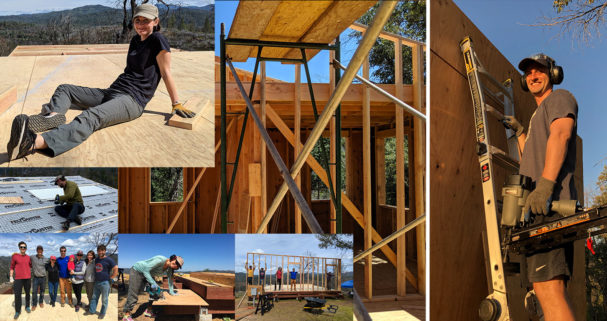
Building a small home yourself can reduce labor expenses, but it’s important to understand which tasks you’re capable of completing safely.
Painting, installing trim and assembling cabinets may be reasonable projects for someone with basic tools and some practical experience.
Structural work and major electrical or plumbing installations involve greater risks. Depending on local regulations, they may also require licensed contractors and mandatory inspections.
A common budgeting mistake is assuming that DIY work costs nothing beyond materials. Tools, equipment rental, wasted supplies and additional construction time all contribute to the final expense.
If you need to take unpaid time away from work, those lost earnings should also enter your calculations.
Consider handling manageable finishing tasks while leaving specialized construction work to experienced professionals. This approach can lower expenses without creating unnecessary complications.
Prepare for construction delays and unexpected expenses
Construction schedules rarely unfold exactly as originally planned.
Heavy rain can interrupt foundation work, building materials may arrive late and inspections sometimes reveal issues that need correction before the next stage can begin.
These delays can create financial pressure, particularly if you’re paying rent while waiting for the new house to become habitable.
A practical approach is to establish a contingency fund before construction starts. Many builders use 10% to 20% of projected construction expenses as an initial planning allowance, adjusting it for site conditions and project complexity.
If your estimated construction budget is $100,000, reserving an additional $15,000 would provide a 15% cushion.
Also review your contractor agreement carefully. Understand which expenses are included, how changes are priced and what happens when unexpected work becomes necessary.
Clear documentation can prevent disagreements that become expensive later.
Consider the long-term cost of living in your small home
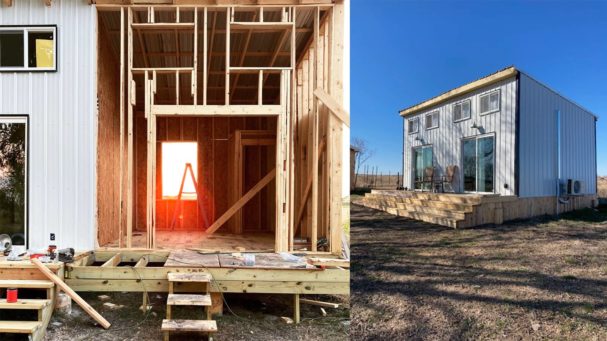
An affordable construction project should lead to a home that’s economical to maintain.
Before finalizing your plans, consider how your heating and cooling systems, insulation, windows and appliances will affect future utility bills.
For example, a compact home with high-quality insulation and efficient heating equipment may have lower operating costs than a similarly sized house built with cheaper materials.
Maintenance access matters too. Plumbing fixtures, electrical panels and mechanical equipment should remain accessible when repairs are necessary.
Think about your future needs as well. If you expect to remain in the home for many years, a single-level layout and a bathroom with sufficient clearance may be more practical than a design that relies heavily on ladders or narrow loft spaces.
Making these decisions during the planning stage is generally easier than modifying the finished structure.
Final thoughts
Building an affordable small home requires looking beyond its square footage. A modest design can still become expensive when land improvements, financing costs and construction surprises aren’t included in the original budget.
Focus on creating a realistic plan that accounts for the entire project, from acquiring the property to maintaining the finished house. The most valuable savings often come from avoiding unnecessary complexity rather than cutting corners on essential construction work.