Florida is one of the most popular states for tiny house living in the country. With warm winters, progressive zoning reforms, and a growing network of established communities, Florida is a state that celebrates outdoor living and simplicity. The tiny house community boom in Florida has exploded over the last five years, along with a slew of questions that most guides never fully answer.
But the right community is only half the job. Knowing the rules, the governance structures, and the systems of community management that govern daily life in a tiny house community is just as important as choosing the right floor plan. This guide details what buyers and builders need to know before they sign a lease or lot agreement in a Florida tiny house community.
What Is a Tiny House Community?
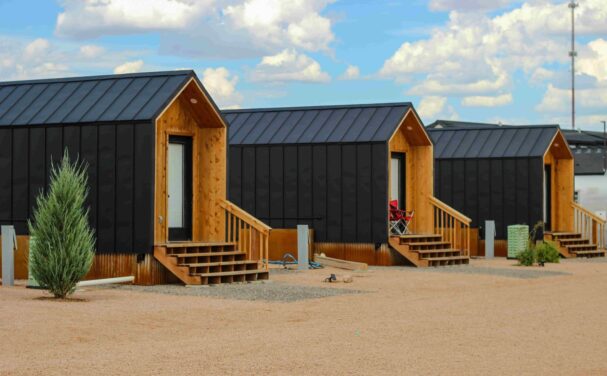
A tiny house community is a planned residential neighborhood where several tiny houses share land, utilities, and often common amenities. Communities range from informal lakeside parks to formally zoned neighborhoods governed by HOAs with shared gardens, clubhouses, laundry facilities, and utility hookups.
The definition of a tiny house varies from place to place, but generally, it refers to a fully functional home that is less than 400 square feet. Florida, in its 2020 building code update, formally recognized tiny houses as a housing type, providing communities a clearer legal path to develop and operate.
In Florida tiny home communities, you’ll find two main types of tiny homes:
- THOWs (Tiny Houses on Wheels): Built on trailer frames, these are considered recreational vehicles in most Florida counties. They are usually accepted in existing tiny house parks that offer full hookup infrastructure
- Foundation-based tiny homes: These are treated as standard residential structures. They need to meet the normal Florida building codes, including standards for wind load, flood elevation, and energy efficiency
For anyone still in the planning or building phase, reviewing tiny house floor plans designed for warm climates is a useful first step, particularly designs that account for Florida’s humidity, hurricane exposure, and the value of screened outdoor living space.
Florida Zoning Laws for Tiny Houses: What You Need to Know
Florida’s tiny house zoning landscape has come a long way, but it’s still county-by-county. State law provides the framework; local governments fill in the details.
Important Zoning Facts for Florida Tiny House Buyers:
- No statewide blanket approval: Even though Florida’s building code now recognizes tiny homes, individual counties determine where they can be placed, what foundation types are permitted, and whether THOWs qualify as permanent residences
- RV park zoning: Many THOW communities are licensed as RV parks, and residency is restricted in some counties. Always check if a community is zoned for long-term/permanent living
- Minimum square footage requirements: Some Florida municipalities still have minimum square footage requirements for permanent dwellings that effectively prohibit tiny homes on foundations
- Wind and flood codes: Tiny homes on foundations must meet strict wind load standards in Florida due to hurricane exposure. Coastal-adjacent THOWs usually require tie-downs, impact-resistant windows, and raised foundations.
Can I put a tiny house on my property in Florida? No, in most cases, zoning approval is required. Rules for accessory dwelling units (ADUs) vary widely by county. Some, including Sarasota and Orange Counties, have eased up recently, but a permit and code compliance process is almost always necessary.
Before joining a community, for anyone who is building a custom house, our guide covers construction standards, foundation types, and structural requirements that are directly relevant to Florida’s climate and code environment.
HOA Rules in Florida Tiny House Communities
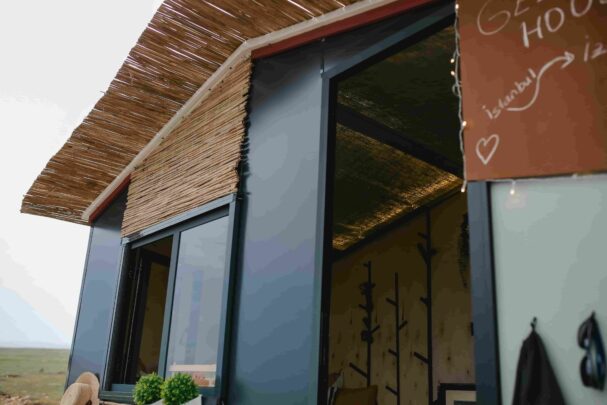
While not every small house community in Florida is run by a formal homeowners association, many are, particularly the larger, more established developments that have shared infrastructure and amenities. Before you sign the contract, it’s important to understand what HOA governance means in practice.
Typical HOA rules for tiny house communities are:
- Exterior appearance standards: Paint colors, landscaping, additions such as decks or porches, and the placement of outdoor items are often regulated to maintain community aesthetics
- Utility and hookup compliance: Water, sewer, and electrical systems that are shared by communities may have specific standards for homes to connect and the ongoing maintenance of their systems
- Guest and short-term rental policies: Most tiny house communities in Florida limit or prohibit short-term rentals (Airbnb, VRBO) to preserve the long-term residential character of the community.
- Pet rules: Most regulated communities have size limits, breed restrictions and leash requirements
- Vehicle and parking policies: Most tiny house communities have small lot sizes and vehicle storage and parking is strictly managed
- Noise and quiet hours: Living in community at high density requires clear rules about noise, and these rules are usually enforced by community management
What to ask before joining a governed community:
- Are there pending rule changes or special assessments?
- What is the reserve fund balance for shared infrastructure?
- How are violations handled and what are the fine structures?
- Is there a formal dispute resolution process?
Community Management: What It Means for Tiny House Residents
The larger and more established tiny house communities in Florida are turning to professional community management companies to handle the operational intricacies of shared infrastructure, HOA governance and financial administration.
Professional community management in a tiny house development typically entails:
- Dues collection and financial reporting: Financial systems need to be in place for monthly lot fees, utility cost sharing, and reserve fund contributions. Well-run communities have transparent monthly statements and annual budgets
- Rule enforcement: Regular, documented enforcement of community standards protects property values and community character
- Vendor coordination: The management company coordinates landscaping, maintenance of shared areas, and repairs to infrastructure rather than individual residents or volunteer boards.
- Owner communications: Management platforms give residents maintenance requests, access to community documents, online dues payments and updates on community decisions
When communities in the Venice, Sarasota, and Charlotte County area of Florida’s Gulf Coast team up with a professional HOA management company, they know their communities are being governed consistently, are financially sound, and are well maintained. Keys-Caldwell (keys-caldwell.com) manages HOAs and condominium associations in this area, helping communities maintain the systems that make shared living work over the long term.
For a broader look at where Florida’s best tiny home communities are located and what they offer, the Florida tiny house communities guide provides a useful overview of established parks, lot costs, and amenities across the state.
The Best Tiny House Communities in Florida: A Quick Overview
Florida’s growing number of tiny-house communities for mature residents. The most frequently cited are:
- Orlando Lakefront at College Park: One of Florida’s longest-running THOW communities, with about 40 homes, lakefront access, community gardens, and urban proximity to Orlando employment and dining. Lot fees are $560 to $770 a month.
- Circle Pond Tiny Community (Ruskin): An award-winning eco-oriented community near Tampa on nearly five acres around a spring-fed pond. 12 lots are available for about $600 per month, which includes utilities. Supporters of solar and rainwater systems.
- Gracious Tiny House Park (Okeechobee): Family-owned lakeside park accepting THOWs up to 40 feet with full hookups Long-term leases from $450/month. Good community culture, regular social events.
- Peacewind / Braveheart Properties (Cocoa): A legally zoned Brevard County community created by a nonprofit with 84 sites that mix THOWs with cottages and foundation homes. Concern for long-term affordable sustainable living.
- Tiny House Siesta (Sarasota): Coastal community near Siesta Key, mostly short-term rentals. Good for testing the lifestyle before settling into a permanent community.
What to Check Before Signing a Lot Agreement
Florida’s growing number of tiny-house communities for mature residents. If you are looking to transition into this lifestyle and need options for selling your current property in the area, you can explore services like https://www.pavelbuyshouses.com/florida/.
The most frequently cited communities are:
- Orlando Lakefront at College Park: One of Florida’s longest-running THOW communities, with about 40 homes, lakefront access, community gardens, and urban proximity to Orlando employment and dining. Lot fees are $560 to $770 a month.
- Circle Pond Tiny Community (Ruskin): An award-winning eco-oriented community near Tampa on nearly five acres around a spring-fed pond. 12 lots are available for about $600 per month, which includes utilities. Supporters of solar and rainwater systems.
- Gracious Tiny House Park (Okeechobee): Family-owned lakeside park accepting THOWs up to 40 feet with full hookups. Long-term leases from $450/month. Good community culture, regular social events.
- Peacewind / Braveheart Properties (Cocoa): A legally zoned Brevard County community created by a nonprofit with 84 sites that mix THOWs with cottages and foundation homes. Concern for long-term affordable sustainable living.
- Tiny House Siesta (Sarasota): Coastal community near Siesta Key, mostly short-term rentals. Good for testing the lifestyle before settling into a permanent community.
Final Thoughts
Florida’s tiny house movement is growing up fast. Communities are more organized, zoning frameworks are clearer, and the lifestyle has moved well beyond novelty to a genuine long-term housing alternative. But there’s often a thin line between a community that’s thriving and one that’s frustrating, and it comes down to governance.
Understanding the HOA structure and community management behind a development is just as important as the location and the lot fee before signing any lot agreement. Do your research, and Florida tiny house living is just what it says it is.