Quick Answer
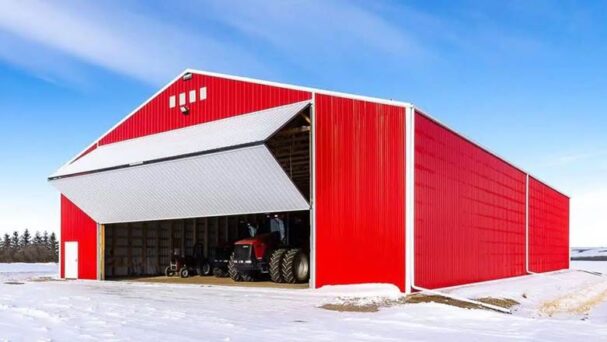
Before starting a custom building project in rural areas of British Columbia, Alberta, or Saskatchewan, property owners should evaluate soil conditions, local frost depth, wind exposure, and zoning requirements. Modern post-frame construction solutions offer a practical alternative to conventional construction by anchoring sturdy, laminated posts directly into the ground or into precast concrete columns like the DuraColumn. This method eliminates the need for massive concrete pours. The result is a wide, column-free interior optimized for heavy machinery and custom workshops.
Introduction
Building on rural acreage across British Columbia, Alberta, and Saskatchewan comes with challenges that urban construction rarely faces. Deep frost lines, unpredictable wind loads, and remote site access all shape how a project should be planned from the ground up. Many property owners begin with enthusiasm, only to find that conventional methods demand costly foundation work and extended timelines.
Builders use post-frame systems with pressure-treated timber or high-quality laminated posts rated for ground contact, anchoring them directly into the ground or precast concrete columns such as DuraColumns to bypass the need for massive concrete pours.
The result feels both robust and sensible, cutting down on time and material needs right from the start, especially where weather tests every building year after year. For rural landowners weighing their options, this approach addresses both the practical and financial pressures that come with demanding climates.
How Post-Frame Building Systems Suit Rural Construction
For properties outside municipal boundaries, conventional framing and poured foundation methods often introduce unnecessary cost and complexity. Transporting concrete to remote sites can add thousands of dollars before structural work even begins.
Why Rural Builders Choose Post-Frame Construction Systems
Modern post-frame construction solutions take a different approach. Professionals use pressure-treated timber or high-quality laminated posts rated for ground contact, anchoring them directly into the ground or into precast concrete columns like the DuraColumn. This method skips complicated concrete pours, cutting down on time and material needs right from the start.
Each post acts as both the foundation element and the vertical framing member, creating a unified load path from roof to ground. Because the posts carry weight at wider intervals, the result feels both robust and sensible, creating expansive, open interiors ideal for agricultural and commercial operations.
Key Advantages for Rural Property Owners
When evaluating engineered post-frame structures against conventional builds, several practical benefits stand out:
- Reduced concrete dependency: Posts anchored directly into the ground or precast columns bypass the need for continuous foundation trenches.
- Faster construction timelines: Fewer trades and less curing time mean projects reach a weathertight shell more quickly.
- Versatile interior layouts: Wide spans accommodate machinery, livestock operations, or custom living spaces without interior bearing walls.
- Lower site disturbance: Minimal excavation preserves the natural grade, which matters on acreages with established drainage.
Foundation Engineering and Post-Frame Building Design
Structural integrity over time depends largely on what happens below grade. The foundation system and its protective components determine whether a building holds alignment for decades or shifts with seasonal ground movement.
Frost Heave Protection Through Thermal Engineering
In regions with deep frost penetration, frost heave is a constant threat that can lift and crack interior concrete floors over time. To combat this, advanced foundation systems now utilize Frost Shield, a combination of horizontal and vertical rigid insulation. Rather than allowing the cold to penetrate, this system creates a thermal barrier between the exterior elements and the building’s footprint.
By keeping the soil beneath the slab warmer and directing moisture away from the foundation through a sloped design, Frost Shield ensures that the interior floor remains level and stable, neutralizing the soil expansion that causes traditional buildings to shift and ‘jack’ during the spring thaw, even through the most volatile Western Canadian freeze-thaw cycles. A properly engineered post-frame building design incorporates these protective layers from the start:
- Perimeter insulation placed strategically below grade to redirect frost penetration
- Moisture management through a sloped rigid board that channels water away from footings
- Stable interior slabs that remain level regardless of exterior temperature swings
Structural Hardware for Lateral Resistance
Beyond the foundation, lateral wind forces pose a significant challenge in open rural landscapes. Storm Brackets are hardware developed to stabilize the building and prevent leaning during high-velocity wind events.
| Component | Function | Primary Benefit |
| DuraColumn | Precast concrete column foundation | Eliminates the need for massive concrete pours |
| Frost Shield | High-performance perimeter insulation | Ensures that concrete footings do not heave during extreme freeze-thaw cycles, protecting the long-term alignment |
| Storm Bracket | Prevents wind-related leaning | Developed to stabilize and prevent leaning during high-velocity wind events |
| Metal roofing, siding, and DuraPanel | Weather protection | A robust barrier against wind-driven snow and hail, common in the region |
The right combination of below-grade protection and above-grade hardware creates a structure that performs consistently, regardless of seasonal extremes.
Weather Resilience in Modern Post-Frame Building Solutions
A well-engineered structure means little if it cannot withstand the environmental pressures it will face year after year. Planning for weather resilience from the outset protects both the building and the investment behind it.
Long-Term Material and Cladding Considerations
Metal roofing and siding provide a robust barrier against wind-driven snow and hail common in the region, particularly across rural areas in British Columbia, Alberta, and Saskatchewan. Modern upgrades such as Storm Brackets, Frost Shield, DuraPanel and Metal Cladding add long-term resilience without complexity.
Property owners should evaluate these factors when planning for long-term durability:
- Metal gauge selection appropriate for regional wind speed ratings
- Fastener spacing that accounts for thermal expansion across seasonal temperature shifts
- Ventilation design that prevents moisture buildup within the envelope
- Insulation continuity from the roof to the wall to the foundation perimeter
Each of these elements works as part of an integrated system rather than a standalone specification. When selected and installed correctly, modern post-frame building solutions deliver structures that perform reliably across decades of harsh seasonal conditions.
For rural property owners weighing construction methods, post-frame systems offer a balance of structural simplicity, material efficiency, and proven resilience that few conventional approaches can match.
Planning Your Post-Frame Project With Confidence
Every successful rural construction project starts with informed decisions. From evaluating soil conditions and frost depth to selecting the right foundation components and cladding systems, each factor plays a direct role in long-term performance. Property owners who invest time in understanding these technical details before breaking ground avoid costly corrections later.
Whether the goal is a working shop, agricultural facility, or custom residence, post-frame building systems provide a proven framework that balances structural strength, material efficiency, and lasting resilience in demanding climates.