
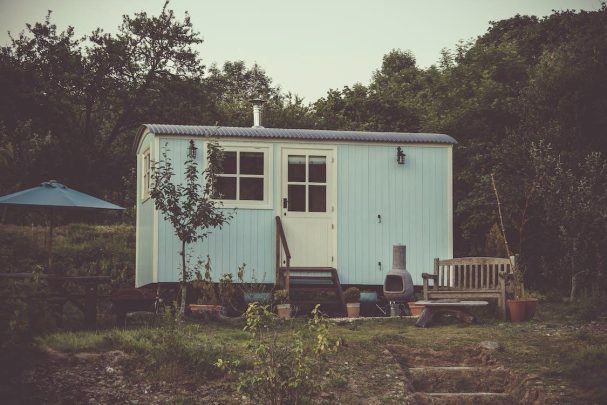
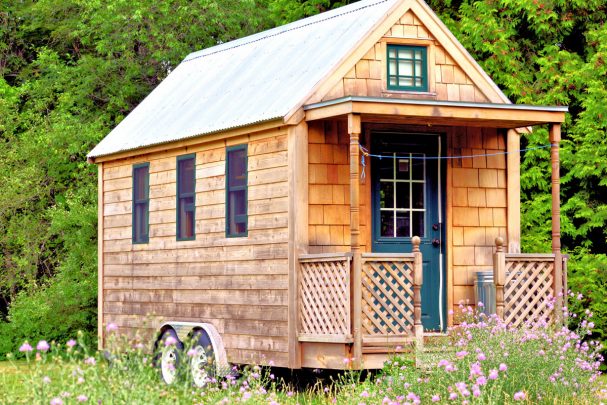
Moving into a tiny house or small coastal cabin can be an exciting lifestyle change, but bringing pets along requires a little extra preparation. Dogs, cats, and other animals may need time to adjust to smaller living spaces, new surroundings, and different outdoor environments. Whether you’re downsizing to a tiny home or settling into a compact cabin near the coast, creating a comfortable and safe environment for your pets will make the transition much easier.
Preparing Your Pet for a Smaller Living Space
One of the biggest adjustments for pets moving into a tiny house is getting used to having less indoor space. Animals that are accustomed to larger homes may initially struggle with fewer places to explore, especially if they have lots of energy.
Before moving, consider which belongings your pet uses most, including beds, toys, feeding stations, and scratching posts. You don’t need to bring everything, but keeping familiar items can help your pet feel more comfortable in the new environment.
It’s also important to create a dedicated space where your pet can rest without being disturbed. Even in a compact home, a comfortable bed or quiet corner can give them a sense of security and routine.
Creating a Pet-Friendly Outdoor Area
Living in a tiny house or small coastal cabin often means making better use of the outdoor space. A small fenced yard, patio, or designated outdoor area can give pets room to exercise and enjoy fresh air without requiring a large property.
Before allowing your pet outside, check that the area is secure and free from potential hazards. Coastal environments can present additional challenges, including salty water, sand, heat, and unfamiliar wildlife.
For dogs, make sure fencing is appropriate for their size and activity level. Cats that enjoy spending time outdoors may benefit from a secure enclosure or catio, allowing them to explore safely without wandering away from the property.
Regularly rinse your pet’s paws after exposure to sand or saltwater, and provide access to fresh drinking water, shade, and a comfortable place to cool down.
Making the Most of Limited Space
In a tiny house, organization plays an important role in keeping both pets and owners comfortable. Clutter can quickly become a problem when every square foot serves a purpose.
Look for practical ways to incorporate pet essentials into your existing layout. Storage containers can keep food and toys organized, while raised feeding stations or compact beds can help maximize available floor space.
If you have cats, vertical spaces can make a significant difference. Wall-mounted shelves, climbing structures, and window perches provide opportunities for exploration without taking up much floor space.
For dogs, short indoor play sessions, interactive toys, and regular walks can help prevent boredom when outdoor space is limited.
Managing Coastal Weather and Seasonal Changes
Small coastal homes can expose pets to environmental conditions they may not be accustomed to. Hot and humid summers, strong winds, heavy rainfall, and occasional storms all require some consideration.
During warmer months, avoid strenuous outdoor activities during the hottest parts of the day. Make sure your pet always has access to fresh water and a shaded resting area. Never leave an animal inside a parked vehicle, even for a short period.
Coastal storms can also create challenges, particularly for homes with small outdoor areas. Secure loose outdoor items, check fencing after severe weather, and keep pets indoors during dangerous conditions.
If your cabin is close to the beach, remember that sand and saltwater can irritate paws and skin. A quick rinse after outdoor activities can help keep your pet comfortable.
Making Moving Day Less Stressful
Moving into a smaller home involves careful planning, especially when pets are involved. Packing, unfamiliar people, and open doors can make moving day overwhelming for animals.
Ideally, keep your pet in a quiet room, secure carrier, or with someone they trust while belongings are being moved. Prepare a separate bag with food, water, bowls, medication, a leash, waste bags, and familiar toys or blankets.
If you’re relocating over a longer distance, schedule breaks for pets that need them and make sure carriers are properly secured during transportation.
Professional movers like Tidal Town Moving can help coordinate the relocation process, making it easier to organize transportation, manage belongings, and minimize unnecessary disruption while you focus on your pet’s comfort.
Helping Your Pet Settle into the New Home
Once you arrive, give your pet time to explore the new environment at their own pace. Start by introducing them to their designated sleeping, feeding, and resting areas before allowing access to the entire property.
Try to maintain familiar feeding times, walking schedules, and play routines. Consistency can help reduce anxiety and make a new environment feel more predictable.
For outdoor exploration, begin with short, supervised sessions so your pet can become familiar with the yard and surrounding area. Gradually increase outdoor time as they become more comfortable.
A little patience goes a long way when helping animals adjust to a smaller home.
Enjoying Tiny House Living with Your Pets
Living in a tiny house or small coastal cabin doesn’t mean sacrificing your pet’s comfort. With thoughtful organization, a secure outdoor area, and consistent daily routines, even a compact home can provide a happy environment for animals.
The key is to make the most of the available space while ensuring your pet has opportunities to rest, play, and explore. With the right preparation, you and your pets can enjoy all the benefits of a simpler lifestyle together.