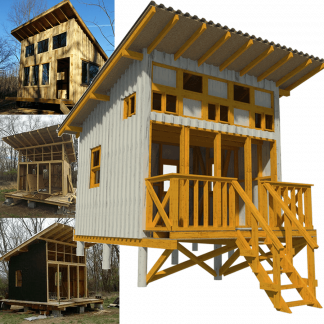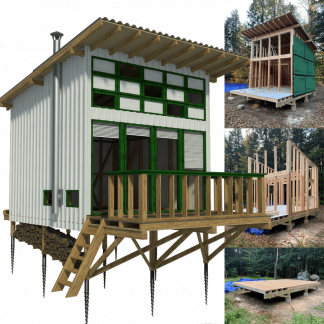
Small homes, cabins, accessory dwelling units, additions, and compact residential renovations create a unique construction challenge: there is rarely much extra space.
A large suburban jobsite may have room for multiple vehicles, pallets of materials, temporary storage, and a debris pile. A small-site project often has to fit all of those functions into a narrow driveway, side yard, or constrained urban lot.
That makes site logistics an important part of the design and construction process. Planning where materials will arrive, where debris will go, and how workers will move through the site can reduce conflicts before the first wall is opened or the first delivery truck arrives.
Start With a Simple Site-Flow Plan
Before construction begins, identify the areas the project needs to function.
Where will contractors park? Where can materials be staged? Which entrance will workers use? Does the homeowner need to retain access to the garage? Where will demolition debris be carried? Can a delivery truck enter and leave without blocking neighboring property?
Even a rough site-flow plan can reveal conflicts that are easy to miss when the focus is entirely on drawings and finishes.
For compact projects, the goal is not to create more space. It is to use the limited space in the right sequence.
Plan Material Deliveries Around the Work
Bringing every material to the site at once can quickly overwhelm a small property.
Instead, deliveries can be coordinated around the phases of construction. Demolition materials should leave before new finish materials occupy the same staging area. Framing packages can arrive when crews are ready to use them. Cabinets, flooring, and fixtures should not be competing for space with piles of construction debris.
This kind of sequencing is particularly useful for cabins, tiny homes, accessory structures, and additions where the active work zone may be only a few steps from the driveway or property line.
Give Debris a Defined Destination
Waste becomes disruptive when workers do not have a clear place to put it.
Demolition can generate drywall, lumber, flooring, cabinetry, tile, fixtures, insulation, packaging, and general construction debris very quickly. If those materials are piled temporarily around the site, they often need to be handled more than once.
A dedicated roll-off container creates a single destination for approved debris and can help preserve more of the remaining site for actual construction activity.
Residential providers such as EcoBox Dumpsters offer multiple container sizes that can work well for projects where space is limited and container footprint matters.
The correct choice depends on both the amount and the type of debris. Small does not always mean light, and heavy materials can affect the appropriate container even when the physical volume is modest.
Choose Container Size With the Site in Mind
Container capacity is important, but on a compact property, dimensions and placement matter too.
A container needs to provide enough room for the project without unnecessarily occupying the driveway, blocking the garage, or interfering with deliveries.
For many remodeling and small-construction jobs, a mid-sized container can provide a useful balance between capacity and footprint. Homeowners and contractors considering this type of project can review a 15-yard dumpster rental option when comparing space requirements and expected debris volume.
Material type still matters. Roofing shingles and other dense debris require more attention to weight than ordinary household cleanout material. Before ordering, describe the project and the waste stream rather than choosing solely from the container name or yardage.
Treat Dumpster Placement Like Any Other Design Constraint
A roll-off container should not be placed wherever there happens to be open pavement on delivery day.
Consider garage access, gates, landscaping, overhead utilities, low tree branches, street visibility, neighboring driveways, and truck maneuvering room.
The container should also be close enough to the work zone that crews are not carrying debris unnecessarily long distances. On a narrow or sloped property, those extra trips can add meaningful labor over the course of demolition.
Homeowners should also ask what methods are used to help protect the driveway or other placement surface during delivery and pickup.
Keep New Materials and Waste From Competing for Space
A common small-site problem is allowing incoming materials and outgoing debris to occupy the same area.
If a pallet of flooring arrives before demolition debris has been removed, crews may need to relocate one or both. The same issue occurs when cabinets, windows, siding, or fixtures are delivered before the project is ready for them.
A better approach is to think of the site as a moving system. Old materials leave, the area is cleared, and then the next group of new materials arrives.
That sequence reduces double-handling and helps protect new products from dust, weather, and accidental damage.
Identify Restricted Materials Before Cleanup Starts
Small renovation projects can still uncover materials that need special disposal.
Paints, solvents, chemicals, batteries, electronics, certain appliances, and hazardous materials may not be appropriate for a standard construction dumpster.
Older garages, workshops, sheds, and basements are especially likely to contain items that should be separated from normal construction debris.
Before loading begins, contractors and homeowners should review prohibited-material requirements and establish a separate plan for anything questionable.
Remember That Pickup Requires the Same Access as Delivery
The site may look very different when the project is halfway complete.
New materials may have arrived, contractor vehicles may be parked differently, temporary fencing may have been installed, or landscaping work may have begun.
The truck still needs clear access to retrieve the container.
Keeping the pickup route open avoids delays and prevents the team from having to move vehicles, equipment, or building materials at the last minute.
Small Sites Reward Better Coordination
Compact construction projects do not necessarily require simpler logistics. In many cases, they require more deliberate ones.
When material deliveries, debris removal, parking, staging, and homeowner access all have to share a limited footprint, sequencing becomes part of the project strategy.
Planning those flows before construction starts can help crews work more efficiently, reduce unnecessary handling, keep the property more organized, and make a small jobsite feel much more manageable.
Good small-site planning is ultimately about giving everything a place and a time: materials arrive when they are needed, debris leaves when it is created, and the work area stays clear enough for the next phase to begin.