Every self-build has the same shape. You choose the design in a week, you think about it for six months, and then you spend a weekend at the lumber yard discovering that the budget you worked out in January describes a different building.
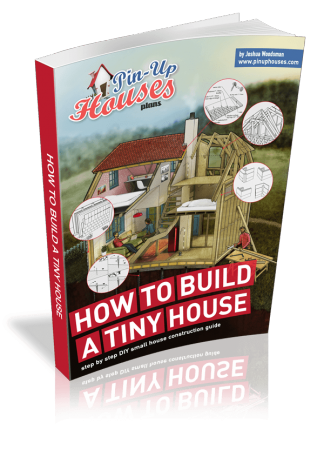
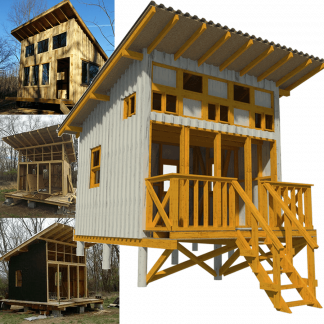
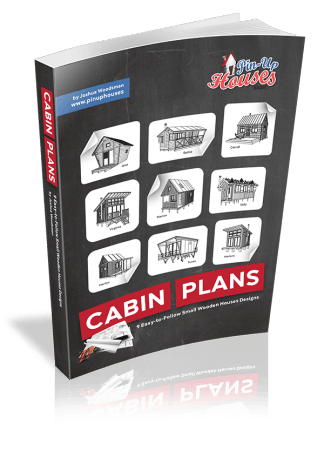
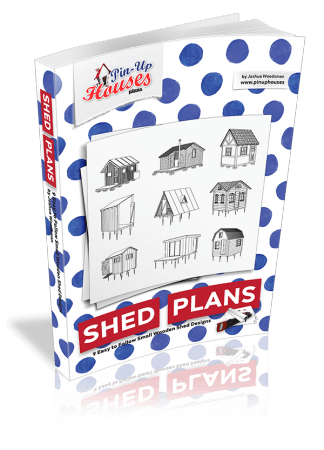
Material prices move, sometimes violently, and they move differently depending on where you are standing. A smart starting point is to practice estimating material takeoffs and understanding framing schedules on smaller backyard builds first—projects like classic timber Pinup Houses playhouse plans make it easy to learn cut lists, fastener counts, and pricing fluctuations before committing tens of thousands of dollars. The builders who finish on budget are rarely the ones who negotiated harder. They are the ones who started watching prices before they needed to buy anything.
Watch eight lines, not eighty
A cabin or a shed has dozens of line items and almost all of them are noise. Fasteners, hardware, caulk and fixings will not swing your total. A small handful of categories will decide it, and those are the only ones worth tracking.
- Sheet goods, meaning plywood and OSB, which are consistently the most volatile line in a small build and can move by a third within a season
- Framing lumber in the dimensions your plan actually calls for, since a change in one size does not predict the others
- Roofing, where metal and asphalt track different commodity inputs and rarely move together
- Insulation, which is priced regionally and jumps with heating oil and natural gas
- Windows and doors, where the real risk is lead time rather than price
- Concrete or pier blocks for the foundation, which is where an off-grid or remote site pays a delivery premium nobody budgets for
- Treated timber for anything touching the ground, which carries its own supply cycle
- Delivery, which on a remote site can quietly become the second largest number on the sheet
Record the price with the date and the supplier, every week, in a spreadsheet you actually open. Three months of that gives you something no forum thread can: a picture of what your materials, in your region, actually do.
The price is local, not national
A detail that catches out anyone reading advice from another country. Large chains price by store, not nationally, so the number on the website depends on which branch it thinks you are shopping at. Two builders forty miles apart can genuinely see different prices for an identical sheet of plywood, and both will be right.
Distance from a mill, regional demand, local building season and freight all feed into it. This is also why the price somebody quotes in a comment on a build thread is close to useless unless they say where they are. Alaska, Alberta, Texas and French Guiana are not the same market, and the same plan set costs wildly different amounts to realise in each.
Check your stores, and check more than one. If your build is near a regional boundary, the branch in the next county over is a twenty minute drive and occasionally a meaningful saving on a full load.
Automating the boring part
Checking a dozen product pages across three suppliers every week is fifteen minutes of clicking that people abandon by week four. Anyone comfortable with a small script can have it fetch the same pages and drop the numbers into a sheet, which is where this becomes a habit rather than a chore.
Two practical points if you go that route. Requests coming repeatedly from one connection get rate limited quickly, and the failure is quiet: the script keeps running and simply returns less, which looks like a price change rather than a broken check. Spreading the requests solves it, and since these are public product pages, datacenter proxies are the cheap and fast option for the job. Checking a chain’s prices at several branch locations, or in another country if you are comparing markets, works the same way.
Keep it polite and it stays uncontroversial. Read the site’s robots file and terms, run the check once a day at most and outside business hours, save each page the first time so you never fetch it twice, and collect nothing but the price and the stock status.
Buying at the right moment, and storing it properly
Timing only helps if you can look after what you buy. Sheet goods bought cheaply in February and left leaning against a fence until June are not a saving, they are firewood with a receipt.
- Store sheet goods flat, off the ground, weighted and under cover, because a warped sheet cannot be straightened
- Sticker framing lumber with spacers so air moves through the stack, and keep it out of direct sun
- Do not buy treated timber early, since it arrives wet, moves as it dries and will twist in a stack
- Order windows and doors as early as you can afford to, because a twelve week lead time stops a build dead in a way a price rise never does
- Buy fasteners and hardware last, as they barely move and take up dry storage you will want for something else
- Ask the yard about damaged packs and cull piles, where the loss is a split corner on one board and the discount is real
Ask about contractor desk pricing too, even as an individual. On a full load most yards will quote better than shelf price, and the worst outcome of asking is that they say no.
The other half of the budget is waste
Price tracking controls what you pay per piece. Cutting controls how many pieces you need, and on a small build the second one is often worth more.
Before ordering, take the cut list and lay it against the lengths your supplier actually sells. A plan calling for a lot of seven foot pieces is expensive if your yard stocks eight, ten and twelve foot stock, and rearranging which lengths you buy can remove an entire category of offcut. Half an hour with the cut list and a pencil regularly saves more than a month of watching prices.
What this looks like in practice
Pick the build. Pull the material list from the plans. Choose the eight lines that dominate it, find them at two or three suppliers near your site, and log the prices every week with the date. Buy the volatile items on a dip if you have dry storage, order the long lead items early, and leave everything else until you need it.
It is not sophisticated and it is not exciting. It is also the difference between a cabin that gets finished this year and a stack of framing under a tarp that gets finished the year after.
FAQ
When is the cheapest time to buy building materials?
Generally outside the local building season, when demand drops. The pattern differs by region and by material, which is exactly why tracking your own suppliers beats following national headlines.
Why does the same store show different prices in different places?
Large chains price by branch rather than nationally, reflecting freight, local demand and distance from supply. Check the branches you would actually buy from.
Is it worth buying materials before the build starts?
Only for items you can store correctly. Sheet goods and framing bought early and stored badly cost more than they save.
What should I order first?
Windows and doors, along with anything custom. Lead time stops a build far more often than price does.
How much should I add for waste?
Ten percent is a common rule, but comparing the cut list against your supplier’s stock lengths usually reduces the real figure more than any allowance does.