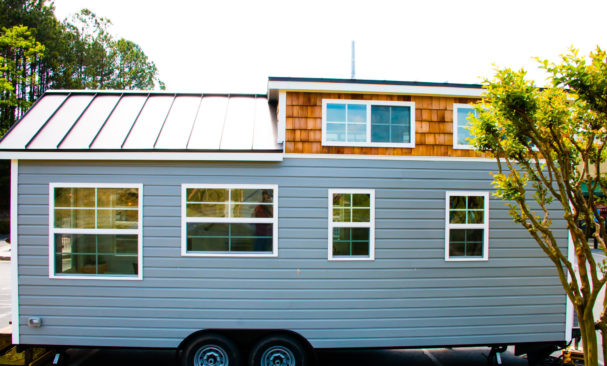
Moving into a tiny house sounds wonderfully simple until you start deciding what to bring. The sofa you’ve owned for years may be too wide for the new living area. Your favorite dining table could take up most of the available floor space. Even a modest collection of belongings can feel surprisingly large when every square foot has a purpose.
A successful transition takes more preparation than an ordinary household move. You are adjusting to a different way of using space, and the decisions you make before packing will influence how comfortably you live afterward. Some belongings will need new homes long before the moving truck arrives.
The move itself brings additional challenges. For anyone leaving an urban apartment, we got valuable insights from a professional moving company in Toronto to help you spot easy-to-overlook planning problems.
Revised First Main Section
Plan the Move Around Your New Floor Plan
Before deciding what furniture to keep, measure the space available in your tiny house. A sofa might fit perfectly against the living room wall but still be too large to pass through the entrance. Check door widths and turning space against the dimensions of your larger belongings. Built-in furniture can also limit where freestanding pieces will fit.
Draw your existing furniture onto the new layout and consider how you’ll use each room. A dining chair needs enough clearance to pull away from the table, while cabinets need room for their doors to open. This exercise can reveal which pieces are worth keeping before you begin packing.
When arranging transport, give residential movers the dimensions of your largest furniture and details about access at both properties. They can assess whether certain pieces require disassembly or specialized handling.
Downsize According to How You Actually Live
A small house has little tolerance for possessions kept purely out of habit. The challenge is deciding what deserves space without stripping the new home of personality.
Spend a week noticing which household items you regularly use. Your favorite cooking pan may be more valuable than an entire set of specialty cookware. Clothing you wear often deserves accessible storage, while rarely used items require a tougher decision. This approach gives you a realistic picture of daily needs before you begin packing.
Large furniture is usually the first category to reconsider. A traditional bed frame with a substantial headboard may take up space that could be used for built-in storage. Replacing it with a simpler design may make sense, especially if you can still sell the original piece.
Sentimental possessions deserve separate attention. You don’t have to discard everything associated with your previous home. Choose the pieces you’d genuinely enjoy seeing in the new space. For collections you can’t accommodate, consider giving selected items to family members rather than paying indefinitely for external storage.
Make Sure the Tiny House Is Ready for Occupancy
A completed tiny house isn’t necessarily ready for someone to move into. Legal occupancy requirements depend on the home’s location and how it was constructed.
Before committing to a moving date, confirm that the intended site permits the home and its planned use. A tiny house on a permanent foundation may face different requirements from one built on a trailer. You may need to complete building permits or inspections before you can legally move in.
The delivery site also requires physical preparation. A trailer-based home needs an appropriate surface and sufficient access for the transport vehicle. Narrow roads can complicate delivery even when the property itself has plenty of room. The transporter should assess overhead clearance rather than estimate it from photographs.
Utilities are another potential source of delay. Confirm the electrical installation meets the home’s requirements and that the water supply is operational. Wastewater arrangements must also be approved and functional. If your tiny house is designed for off-grid living, its systems still need to be installed and tested before occupancy.
Your moving date should depend on these arrangements being completed, not merely on the expected delivery date of the building.
Pack for the New Storage Layout
Traditional packing advice often suggests organizing boxes by room. That approach is less helpful when your new home combines the living area and kitchen, or when storage is distributed throughout built-in furniture.
Pack according to where belongings will be stored. Group kitchen items for an overhead cabinet separately from heavier items for lower drawers. Label boxes with their final storage locations so you aren’t opening everything just to find the correct cupboard.
Think about unpacking space. In a conventional house, boxes can temporarily occupy a spare bedroom. In a tiny home, a dozen boxes may block access to the bathroom or prevent you from assembling furniture. If the moving schedule allows, arrange for belongings to arrive in manageable quantities.
Keep daily essentials accessible during the transition. You may not have the entire kitchen organized on the first evening, but you should have what you need to prepare a simple meal. The same applies to bedding and personal necessities.
Give Yourself Time to Settle Into the Smaller Space
Moving day should follow a sequence that leaves the tiny house usable by evening. Heavy furniture is generally easier to position before smaller belongings arrive. If any pieces require assembly, complete that work before filling the surrounding storage areas.
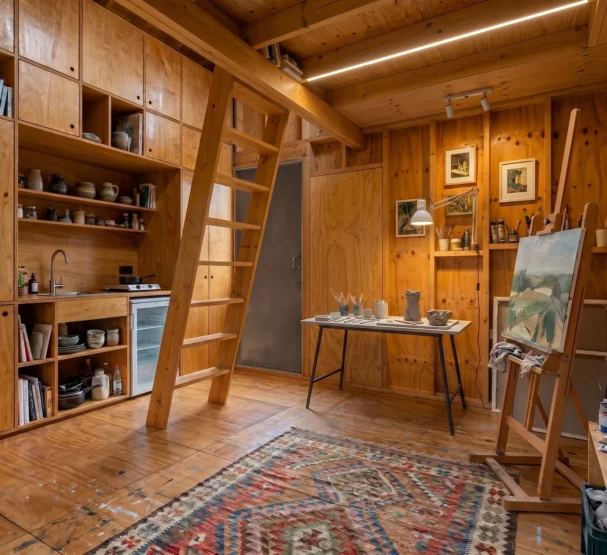
Avoid unpacking every box immediately. Start with the belongings you need for ordinary routines and see how the available storage performs. A cupboard that looked suitable on the floor plan might be awkward to reach several times a day. It’s easier to make adjustments before everything has a permanent location.
The first few weeks will probably reveal things you hadn’t anticipated. You may discover that the dining table works better in a different position or that an accessible shelf is more valuable than additional hidden storage. Those observations can guide small changes without requiring another major purchase.
Pay attention to how the home handles everyday activities. Where will damp coats dry? Is there a convenient place to leave shoes? In a tiny house, these seemingly minor details can influence comfort more than decorative finishes.
You don’t need to furnish every corner right away. Living in the space for a while can reveal which storage additions are genuinely necessary and which would simply make the interior feel crowded.