Roofing material decisions get made on price more often than on climate, and in most of the country that works out fine. North Texas is a harder place to guess. A roof here has to handle hail in spring, sustained heat in summer, wind out of the south nearly year round, and a temperature swing between February and August that can exceed 100 degrees. Material that performs well in Oregon or Ohio is not automatically the right call in Denton County.
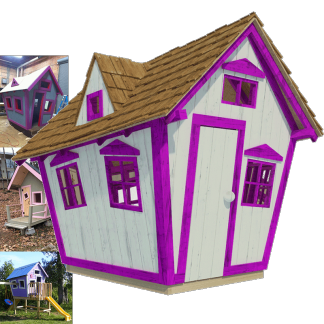
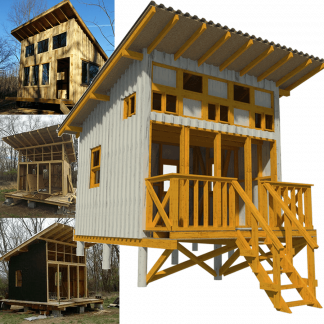
Understanding how different roof styles and structural pitches shed severe hail and withstand high winds is just as critical as the material itself. For a clear look at rafters, trusses, and weather-resistant framing techniques on real-world structures, exploring Pin-Up Houses playhouse plans offers simple, practical timber-frame designs that illustrate proper roof framing, overhangs, and water-shedding geometry in miniature scale.
What follows is how the common options behave under those specific conditions, and what the differences mean over a twenty year horizon rather than at the moment of purchase.
Hail sets the terms
Denton sits inside a corridor that produces damaging hail more often than most of the United States. The spring pattern is familiar to anyone who has lived here a few seasons. Warm Gulf air runs into a dryline, storms fire in the late afternoon, and a county or two takes hail while the next one over stays dry.
That pattern is the single biggest variable in a material decision here, more than heat and more than wind. A roof in North Texas is likely to meet hail several times before it reaches the end of its rated life. The question is not whether it will happen but how the material responds when it does.
Understanding impact ratings
Shingles carry an impact rating from UL 2218, tested by dropping steel balls of increasing size onto the material and checking the back side for cracking. Class 1 is the lowest and Class 4 the highest, with Class 4 requiring the material to survive a two inch steel ball without fracture.
Two points get lost in sales conversations. The first is that a Class 4 rating describes laboratory impact resistance, not immunity. Large hail with high wind behind it can still bruise a Class 4 shingle. The second is that the rating says nothing about granule retention or appearance. A Class 4 roof can come through a storm without structural damage and still show cosmetic marking.
Even with those limits, the difference is real. Across a region that sees repeated hail, impact rated material holds its water shedding function through events that would open up a standard three tab.
Architectural asphalt
Laminated architectural shingles are the default on most North Texas homes for defensible reasons. They cost less than every alternative, they install quickly, they come in impact rated versions, and any roofer in the area can repair one without ordering specialty parts.
Their weakness is heat. Asphalt ages by losing the oils that keep it flexible, and attic temperatures near 150 degrees speed that up. An architectural shingle rated for 30 years will often reach a practical end somewhere between 18 and 24 in this climate, sooner if the attic beneath it is vented poorly.
For a homeowner planning to stay eight or ten years, that math usually still favors asphalt. For someone intending to stay through retirement, it deserves a second look.
Standing seam metal
Metal has moved from agricultural buildings to residential streets across the DFW area over the past decade, and standing seam is the version worth discussing. Panels run from ridge to eave with concealed fasteners, which removes the exposed screw gaskets that fail on cheaper corrugated systems.
In this climate metal does several things well. It sheds water without relying on granules, so hail does not degrade its function the way it degrades asphalt. Coated steel reflects more solar energy than dark shingles, which lowers attic load. A standing seam roof installed properly will outlast two asphalt roofs.
The tradeoffs are cost and cosmetics. Installed price commonly runs two to three times an asphalt roof. Hail will dent panels without compromising the seal, and some homeowners find that harder to accept than granule loss they cannot see from the ground. Thicker gauge steel and textured finishes reduce how visible the dents are, and they add cost.
Tile, slate, and the weight question
Concrete tile and natural slate appear on a minority of homes here, usually in newer developments with Mediterranean or traditional styling. Both handle heat and ultraviolet exposure without degrading, and both can last well past fifty years.
The limiting factor is structural. Slate runs roughly 800 to 1,500 pounds per square, where asphalt runs around 250. Most houses in Denton County were not framed for that. Retrofitting tile onto a structure designed for shingles means an engineer’s evaluation and often reinforcement, which changes the budget conversation before any material gets ordered.
Tile also behaves differently in hail. Individual pieces crack rather than bruise, so a storm produces a repair rather than a replacement. That works in a homeowner’s favor as long as matching replacement pieces remain available years later, which is worth confirming before the purchase rather than after.
Heat, color, and what actually helps
Color choice gets more attention than it deserves. A lighter shingle does reflect somewhat more solar energy than a dark one, and in a climate like this one that is not nothing. The effect is modest compared with what happens in the attic underneath.
Attic ventilation and decking choices move the number further than shingle color does. A home with balanced intake and exhaust, adequate insulation, and radiant barrier decking will run cooler under dark shingles than a sealed attic will under light ones. Homeowners who want a lower summer bill get better returns from the system than from the swatch.
Cost across twenty years
The useful comparison is not installed price. It is installed price divided by the years the material will realistically deliver in this region, with repairs added in.
An asphalt roof at a lower number that needs replacement at year 20 and takes two hail repairs along the way can land close to a metal roof at a higher number that needs neither. Whether it does depends on the specific house, the specific slope, and how long the owner plans to stay. That calculation is worth running with real figures for the property rather than regional averages, and a contractor willing to price two or three material options side by side is giving you something useful. Firms like Epic Roofing & Construction in Denton quote across material types for that reason, since the honest answer varies house to house.
Questions worth asking
Before signing anything, a homeowner in this region should have answers to four things. What is the impact rating of the exact product being installed, by name and not by category. What is the attic ventilation plan once the new roof is on. What does the workmanship warranty cover and for how long, separate from the manufacturer warranty on the material. And what happens to matching if a section needs repair in year ten.
A contractor who answers those directly is worth more than one who quotes a lower number and moves on. North Texas is hard on roofs. The material matters, and so does everything underneath it.